
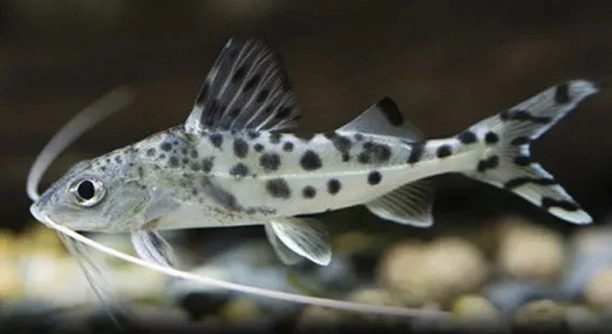
Pictus catfish are popular freshwater fish known for their peaceful nature and striking spots. They are sensitive creatures that can get easily startled in their environment. Understanding what disturbs them helps keep them calm and healthy.
Pictus catfish are startled by sudden movements, loud noises, bright lights, unfamiliar objects, rough handling, water changes, and overcrowded tanks. These factors disrupt their sense of security and cause stress responses that affect their well-being.
Knowing these common triggers will help you create a calmer tank environment for your pictus catfish to thrive.
Sudden Movements
Sudden movements in or near the tank can quickly startle pictus catfish. These fish rely on their keen senses to detect changes around them, so any quick motion can make them dart for cover. This reaction is a natural defense mechanism from their wild habitat, where quick escapes mean survival. For example, if you suddenly wave your hand over the tank or tap on the glass, they may swim away rapidly or hide behind decorations. Even shadows moving across the tank can cause stress. Keeping your actions slow and calm around the tank can help the fish feel more secure. This is especially important during feeding times or tank maintenance when the fish are more alert.
Pictus catfish prefer gentle, predictable movements to stay relaxed and healthy.
To minimize stress from sudden movements, try to approach the tank quietly and avoid abrupt gestures. Dim lighting and consistent routines also reduce their anxiety, creating a peaceful atmosphere for your fish to feel safe and comfortable.
Loud Noises
Loud noises can be very unsettling for pictus catfish. Since these fish live in quiet environments, unexpected sounds like banging, shouting, or loud music can create stress. This can cause them to hide or become less active, which is not healthy for their overall behavior. In addition, vibrations from loud noises can be felt through the water, making the fish uneasy. It’s best to keep the room around the tank calm and quiet. Avoid placing the aquarium near speakers or heavy foot traffic areas. If noise is unavoidable, consider using a tank cover or moving the tank to a quieter spot. Maintaining a peaceful environment helps your pictus catfish stay calm and thrive in their home.
Bright Lights
Bright lights often startle pictus catfish because they prefer dimmer, shaded areas. Sudden changes in lighting can cause them to dart away or hide. Using soft, indirect lighting helps keep them calm.
Harsh or direct lighting overwhelms their sensitive eyes. In nature, pictus catfish live in shaded riverbeds with plenty of hiding spots. Bright aquarium lights disrupt this natural comfort, making them stressed and less active. Gradually adjusting the light levels and providing shaded areas with plants or decorations can ease their discomfort. Avoid turning the lights on or off abruptly; instead, use timers to create a stable light cycle that mimics their natural environment. This stability helps reduce anxiety and encourages normal behavior.
It’s important to balance light for your tank’s plants and the fish’s comfort. Bright lights can benefit plants but might harm pictus catfish if too intense. Using floating plants or dimmable LEDs can offer a good compromise, ensuring your catfish feel safe while your plants thrive.
Unfamiliar Objects
Introducing new objects into the tank can cause pictus catfish to become startled. They need time to adjust to changes in their environment, and unfamiliar items disrupt their sense of security.
When you add new decorations, plants, or equipment, pictus catfish may hide or swim nervously at first. Their natural caution helps protect them from potential threats. To help them adjust, introduce new items slowly and try to keep changes minimal. Placing familiar objects near the new ones can create a smoother transition. Observing how your catfish react lets you know if they are stressed or settling in well.
Consistent tank setup and gradual changes promote a stable environment. Over time, pictus catfish will grow accustomed to their surroundings and display calmer, more natural behaviors.
Rough Handling
Rough handling stresses pictus catfish and can injure their delicate fins and scales. Always handle them gently and only when necessary to avoid causing fear or harm.
Using a soft net and moving slowly helps reduce their stress during tank maintenance or transfers.
Water Changes
Water changes are essential but can easily startle pictus catfish if done suddenly or too frequently. Rapid changes in water temperature or chemistry cause stress.
To minimize this, match the new water’s temperature and parameters closely to the tank water. Perform gradual water changes and avoid disturbing the fish directly. This careful approach keeps your catfish comfortable and healthy, preventing shock or stress-related illnesses.
Overcrowded Tanks
Pictus catfish need space to swim freely and feel safe. Overcrowding causes stress and aggression, making the fish more easily startled.
What should I do if my pictus catfish keeps getting startled?
If your pictus catfish is frequently startled, first check for common stress triggers like sudden movements, bright lights, or loud noises near the tank. Try to keep the environment calm and stable. Avoid tapping the glass or making quick, unexpected actions around the tank. Make sure the lighting is soft and consistent, and that the tank is not overcrowded. Providing plenty of hiding spots and plants can help your fish feel secure. Gradual water changes and gentle handling also reduce stress. Observing your fish regularly will help you notice if changes improve their comfort. If stress continues, consider adjusting tank conditions or consulting with an aquarium specialist for advice.
How often should I change the water in my pictus catfish tank?
Water changes are important for maintaining healthy tank conditions, but they must be done carefully. Typically, changing 20-25% of the water once a week works well for pictus catfish. Avoid changing too much water at once, as sudden shifts in water chemistry can startle and harm the fish. Always use dechlorinated water and try to match the temperature and pH of the new water to the tank. Slow, steady water changes help keep the environment stable and prevent stress.
Can bright lights harm my pictus catfish?
Yes, bright lights can harm pictus catfish by making them stressed and less active. These fish come from naturally shaded environments and prefer dim lighting. Bright or flashing lights can startle them and cause them to hide or swim nervously. Using dimmable LED lights or floating plants to provide shade helps create a comfortable space. Avoid sudden changes in lighting, and try to keep the light on a regular schedule to reduce anxiety.
Why do pictus catfish hide so much?
Hiding is a natural behavior for pictus catfish and helps them feel safe. They often hide when startled, stressed, or when there is too much light or noise. Providing plenty of decorations, caves, and plants gives them secure places to retreat. If your fish hides excessively, it may be reacting to changes in the tank or stressors like overcrowding or poor water quality. Ensuring a calm environment with proper tank conditions encourages your catfish to explore and swim more openly.
What types of decorations are best for pictus catfish?
Natural decorations like smooth rocks, driftwood, and live or silk plants work best. These provide hiding spots and reduce stress. Avoid sharp or rough objects that could injure their delicate fins. Decorations should create shaded areas and places to explore. When adding new items, introduce them slowly to prevent startling your fish. Keep the tank layout stable once your catfish has settled to maintain their comfort.
How many pictus catfish should I keep in one tank?
Pictus catfish are social but need enough space to swim freely. A group of at least three is ideal, but tank size matters. For a group, a tank of 40 gallons or more is recommended. Overcrowding causes stress and makes them more easily startled. Always balance the number of fish with tank size and filtration to maintain good water quality and peaceful behavior.
Is loud noise really a problem for pictus catfish?
Yes, loud noises create vibrations that pictus catfish can feel through the water, causing stress. These fish are used to quiet environments, so noises like music, shouting, or banging near the tank make them nervous. Keep the tank in a low-traffic, calm area and avoid placing it near speakers or noisy appliances. A peaceful room helps your catfish stay relaxed and healthy.
How can I help my pictus catfish adjust to new tank mates?
Introducing new fish can stress pictus catfish if done suddenly. Add new tank mates slowly and watch for signs of aggression or fear. Choose peaceful, compatible species and ensure the tank is large enough to prevent overcrowding. Providing hiding places helps reduce stress during introductions. Keep feeding times calm and maintain good water quality. Patience and careful monitoring will help your catfish feel safe with new companions.
Pictus catfish are beautiful and peaceful fish that need a calm and stable environment to thrive. They can easily get startled by changes or disturbances around them. Being aware of what causes stress to these fish helps in keeping them healthy and happy. Factors such as sudden movements, loud noises, bright lights, and overcrowded tanks can make them feel unsafe. Creating a gentle, quiet atmosphere with plenty of hiding spots gives them the comfort they need. Simple actions like handling them carefully and doing water changes slowly also reduce their stress. When pictus catfish feel secure, they show their natural, calm behavior, which is a good sign of their well-being.
It is important to remember that pictus catfish are sensitive to their environment. Bright lights or loud sounds, which might not bother other fish, can cause these catfish to hide or swim nervously. They come from shaded, quiet rivers where sudden changes are rare. In a home aquarium, replicating these conditions is key. Using dim lighting, adding plants or decorations for shelter, and keeping noise levels low helps them feel safe. Overcrowding the tank or changing water too quickly can also be harmful. By paying attention to these details, you can provide a better home for your fish. The goal is to reduce stress triggers and maintain steady, peaceful surroundings.
Taking care of pictus catfish means watching closely and responding to their needs. If they often seem frightened or hide a lot, it may mean something in the tank is upsetting them. Making small changes, like softening the lighting or reducing noise, can make a big difference. Also, introducing new objects or fish slowly allows the catfish to adjust without fear. Healthy water quality and gentle handling go hand in hand with a calm environment. Overall, understanding the things that startle pictus catfish and working to avoid them helps these fish live longer, healthier lives in your aquarium.

Hello,
If you enjoy the content that we create, please consider saying a "Thank You!" by leaving a tip.
Every little bit helps us continue crafting quality advice that supports the health, happiness, and well-being of pets around the world, for pets of all shapes, sizes, and species.
We really appreciate the kindness and support that you show us!