
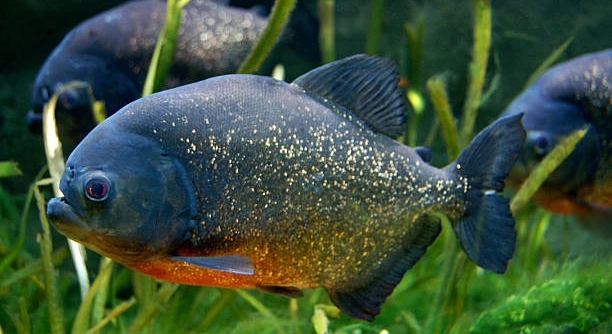
Many people think piranhas are fearless fish that scare no one. However, even the bravest piranhas have moments when they get startled. This article looks at surprising things that cause these fierce fish to react suddenly.
Piranhas, despite their reputation, respond to sudden changes in their environment, unusual movements, loud noises, unfamiliar creatures, and strong disturbances. These stimuli trigger instinctive reactions that startle even the most aggressive individuals, showing their sensitivity to threats.
Learning about what unsettles piranhas helps us better understand their behavior and how they interact with their surroundings in the wild. This knowledge can be useful for anyone interested in aquatic life or animal behavior.
Sudden Movements in the Water
Piranhas rely heavily on their senses to detect changes around them. When something moves quickly or unexpectedly in the water, even the bravest piranhas can be startled. Rapid movements can signal danger or a possible threat, triggering their survival instincts. This reaction helps them stay alert and ready to defend themselves or flee if necessary. Although piranhas are known for their aggressive behavior, they still respond to sudden shifts in their environment with caution. For example, a fish darting nearby or a splash from above can make them pause or swim away quickly. This sensitivity to movement is important because it helps piranhas avoid predators and maintain control over their territory. Understanding this behavior shows that piranhas are not just fearless hunters but also cautious animals that respond carefully to changes around them.
Their quick response to sudden movements is a key survival tool in their natural habitat.
This sensitivity to rapid changes helps piranhas avoid potential threats, showing their alertness despite their fierce reputation. Their reactions are quick but purposeful, protecting their safety and dominance in the water.
Loud Noises and Vibrations
Piranhas are sensitive to noises and vibrations in the water. Loud sounds or strong vibrations caused by boats, falling objects, or other disturbances can easily startle them. Their bodies pick up these signals through sensory organs that detect pressure changes. Sudden loud noises often cause piranhas to scatter or hide, even if no visible threat is present. This reaction is a defense mechanism that keeps them safe. In some cases, continuous loud noises can stress piranhas and affect their behavior over time. When they feel threatened, they may become more aggressive or less active, depending on the situation. This sensitivity to sound is essential for their survival but also means that human activity can impact their natural behavior. Knowing this helps in managing habitats where piranhas live and reduces unnecessary disturbance to these fish.
Unfamiliar Creatures Nearby
Piranhas react strongly when they sense animals they don’t recognize. This can include other fish, birds, or even humans moving close to their space. They become alert and often swim away or group together for protection.
The presence of unfamiliar creatures triggers a natural caution in piranhas. They rely on their instincts to determine if the new animal is a threat or just passing by. If the creature seems dangerous, piranhas may gather in numbers to defend their territory. This behavior shows how social and protective they can be when facing uncertainty. Even a small, strange fish can cause a noticeable reaction, as piranhas prefer to stay within known boundaries. When humans approach too closely, the fish might scatter quickly or hide among plants and rocks. This reaction helps them avoid harm and stay safe in their environment.
Sometimes, unfamiliar animals cause piranhas to change their routine. They may avoid certain areas or stay hidden longer to reduce risks. This cautious behavior helps them maintain control and safety in their habitat.
Changes in Water Conditions
Piranhas are sensitive to changes in their water environment. When the water temperature, clarity, or chemistry shifts suddenly, they often become unsettled. These changes can disrupt their usual behavior and make them more cautious.
Water quality affects piranhas’ health and comfort. Sudden drops or rises in temperature can cause stress, making them less active or more defensive. Cloudy or polluted water reduces visibility, which increases their alertness because they cannot see potential threats clearly. Changes in pH levels or oxygen content can also impact their well-being. When these factors fluctuate, piranhas react by hiding or moving to safer areas until conditions improve. This sensitivity helps them avoid harmful environments and survive in the wild. Monitoring these water conditions is important for keeping piranhas healthy, especially in controlled environments like aquariums. Adjusting their habitat to stable conditions supports their natural behavior and reduces stress.
Bright or Sudden Light
Piranhas can be startled by sudden bright lights or flashes in their environment. These unexpected changes in lighting disrupt their vision and cause them to react quickly, often by swimming away.
Strong light can also confuse piranhas, making them unsure of what is happening around them. This confusion triggers a flight response, helping them avoid possible danger.
Changes in Water Flow
When the water current suddenly speeds up or changes direction, piranhas react quickly. They rely on steady water flow to hunt and navigate, so sudden shifts make them uneasy. This can cause them to move to calmer areas until conditions settle.
Fast or erratic currents affect their ability to sense prey and avoid threats. Adjusting to these changes is important for their survival, and sudden disturbances prompt defensive behavior to stay safe.
Presence of Predators
Piranhas are alert when predators approach. The scent or movement of larger animals triggers an immediate startle response. They may scatter, hide, or become aggressive to protect themselves and their group.
What makes piranhas so easily startled?
Piranhas have very sharp senses that help them survive. Their eyes, lateral line system, and hearing are all designed to detect even small changes around them. Because they live in environments with many predators and competition, reacting quickly to potential threats is key. This heightened alertness means they often get startled by things that might seem minor to other animals. Sudden movements, loud noises, or unfamiliar creatures can all trigger their natural defense instincts. Being cautious helps them avoid danger, even if it means sometimes overreacting to harmless disturbances.
Do all piranhas react the same way to threats?
Not exactly. Different species of piranhas show varied reactions depending on their size, habitat, and social behavior. Some species might scatter quickly when scared, while others group tightly for protection. Younger or smaller piranhas tend to be more easily startled because they are more vulnerable to predators. Adult piranhas might display more aggression or boldness but still react quickly to unusual changes. Social behavior also plays a role; piranhas in groups often respond together, which can amplify their reaction to threats.
Can human activity affect how piranhas behave?
Yes, human actions can disturb piranhas significantly. Loud noises from boats, water pollution, and sudden changes in water conditions caused by construction or fishing can all startle them. These disturbances may cause stress, making piranhas more defensive or less active. In some cases, constant human interference can push them to avoid areas they normally inhabit, which impacts their feeding and breeding. Understanding how humans affect these fish is important for preserving their natural habitats and maintaining balanced ecosystems.
Are piranhas dangerous when they are startled?
While piranhas have a fierce reputation, they are not always aggressive just because they are startled. Often, their first reaction is to flee or hide rather than attack. However, if they feel trapped or threatened, they may become defensive and bite. Most bites happen when piranhas are protecting themselves or their young. In the wild, they use their sharp teeth mainly for feeding, but their reaction to fear can sometimes cause them to lash out. It’s best to respect their space to avoid provoking any defensive behavior.
How do piranhas communicate when startled?
Piranhas use body language and movement to communicate within their groups. When one fish senses danger, it may swim quickly or change direction suddenly. This alerts nearby piranhas to the potential threat. Some species also make sounds by grinding their teeth or rubbing body parts together, which can serve as warnings. These signals help the group coordinate a response, like scattering or forming a defensive circle. Communication is essential for their survival, especially in crowded or dangerous environments.
What environmental factors help reduce startle responses in piranhas?
Stable water conditions, minimal noise, and low disturbance levels help piranhas feel safe. Clear water allows them to see potential threats earlier, reducing sudden scares. When water temperature, pH, and oxygen levels remain consistent, piranhas experience less stress and behave more calmly. Habitats with plenty of hiding spots like plants and rocks also help them relax. Avoiding rapid or artificial changes in their environment is key to minimizing their startle responses.
Can piranhas get used to certain disturbances over time?
Some piranhas may become habituated to regular, non-threatening disturbances. For example, fish living near busy waterways might gradually ignore routine boat noises or movements. However, this depends on the type and intensity of the disturbance. Frequent loud noises or sudden changes that threaten their safety won’t be ignored and can continue to startle them. Habituation takes time and only occurs when the fish learn there is no real danger, which varies among individuals and species.
Are there signs that a piranha is stressed from being startled too often?
Yes, repeated startle events can lead to stress symptoms in piranhas. These signs include reduced feeding, lethargy, hiding more than usual, and erratic swimming. Stress can weaken their immune system, making them more prone to illness. In severe cases, prolonged stress affects growth and reproduction. Observing these behaviors can help identify when piranhas are uncomfortable or disturbed too frequently, especially in captivity or polluted areas.
What should be done to protect piranhas from unnecessary startle triggers?
Limiting human disturbances near piranha habitats is important. This includes reducing noise pollution, avoiding sudden movements in the water, and maintaining clean water conditions. Creating protected areas where piranhas can live undisturbed helps them thrive naturally. When keeping piranhas in captivity, providing stable environments with proper lighting, water quality, and minimal stress factors is essential. Education about their needs and respectful interaction supports their well-being both in the wild and in controlled settings.
How does the startle response benefit piranhas in the wild?
The startle response is a crucial survival mechanism for piranhas. It allows them to detect and react quickly to potential predators or dangers before harm occurs. This quick reflex can mean the difference between escaping a threat or becoming prey. Even though it might seem like an overreaction at times, this heightened alertness helps maintain their role as strong, adaptable fish in their ecosystem. It also encourages group defense behaviors, which increase their chances of survival as a community.
Piranhas are often seen as fearless and aggressive fish, but they have many moments when they get startled like other animals. Their natural instincts help them survive in challenging environments filled with predators and competition. This means they are always alert and ready to react to sudden changes around them. Whether it is a quick movement, a loud noise, or an unfamiliar creature nearby, piranhas respond with caution. These reactions show that even the toughest creatures have limits and rely on their senses to stay safe.
Understanding what startles piranhas gives us a clearer picture of how they live and behave. Their sensitivity to changes in water conditions, lighting, and nearby animals shows that they are constantly processing information to protect themselves. This alertness is part of their survival strategy and helps them avoid danger. It also explains why piranhas may sometimes seem unpredictable or nervous, especially in new or changing environments. By knowing what affects them, people can better care for piranhas, whether in the wild or captivity.
Overall, piranhas are complex animals that balance bravery with caution. Their startle responses are not signs of weakness but important tools for safety. They react quickly to protect themselves and their groups, showing that they are both fierce and careful. Learning about these behaviors helps us respect piranhas beyond their scary reputation. It also reminds us that every animal has its own ways of coping with the challenges it faces in its environment.

Hello,
If you enjoy the content that we create, please consider saying a "Thank You!" by leaving a tip.
Every little bit helps us continue crafting quality advice that supports the health, happiness, and well-being of pets around the world, for pets of all shapes, sizes, and species.
We really appreciate the kindness and support that you show us!