
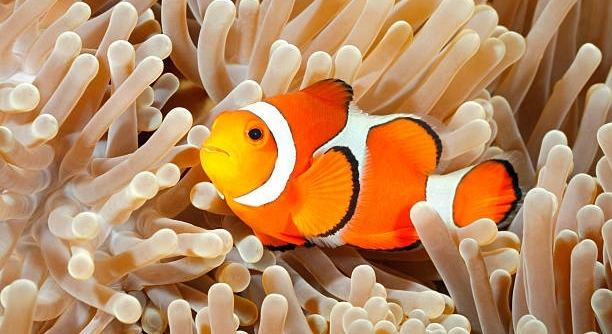
Clownfish are known for their strong connection to specific sea anemones where they live and protect their territory. Changes in their territory can signal shifts in behavior or environment. Understanding these signs helps in observing their natural habits.
Clownfish territory changes are indicated by altered swimming patterns, increased aggression, new anemone occupation, shifts in feeding behavior, changes in coloration, interactions with other fish, and adjustments in shelter use. These signals reflect adaptation to environmental or social factors.
Recognizing these signs early can help you better understand clownfish behavior and the dynamics of their aquatic environment. This knowledge is valuable for both hobbyists and marine enthusiasts alike.
Altered Swimming Patterns
Clownfish usually swim in calm, predictable ways around their anemone homes. When their territory changes, their swimming can become restless or more frequent near new areas. This may happen because they are exploring unfamiliar space or trying to protect new boundaries. Sometimes, a clownfish might swim faster or stay closer to the anemone than usual. These changes can show stress or caution. Observing their movement closely gives clues about how they feel about their new surroundings. If a clownfish suddenly changes its swimming habits, it is likely reacting to something different in its environment.
Swimming pattern changes often mean the fish is adapting to new territory or conditions.
Watching these patterns carefully can help spot early signs of stress or aggression. This is important for keeping their habitat healthy and stable.
Increased Aggression
Aggression in clownfish often rises when they face a territory shift. They may chase away other fish or show more biting behavior than before. This aggressive action is their way of defending the space they consider theirs. It can also signal competition over shelter or food resources. Aggression might increase if a new clownfish enters the area, causing tension. When the territory is secure again, aggression usually lowers. Watching for these aggressive signs helps understand the social dynamics between clownfish and their neighbors. Recognizing this behavior early can prevent harm and stress among fish sharing the habitat.
New Anemone Occupation
Clownfish may move to a new anemone when their original territory changes or becomes unsafe. This shift helps them find better protection or food sources. They carefully choose their new home based on safety and availability.
Moving to a new anemone is a big step for clownfish. It means they feel their previous area is no longer ideal, often due to damage, competition, or environmental changes. The process can be stressful as they leave a familiar safe place. The new anemone must provide similar protection and benefits, such as shelter from predators and food supply. This behavior shows how sensitive clownfish are to their environment and how they adapt to survive.
This move often causes temporary changes in their behavior, including increased caution and exploration. Over time, they establish new routines and defend their new territory strongly.
Changes in Feeding Behavior
When territory changes, clownfish often change how and where they feed. They may spend more time searching for food or adjust their diet slightly to fit the new area’s resources. Feeding habits reflect the overall health of their territory.
Feeding behavior is closely tied to the security of a clownfish’s home. If their usual area becomes less safe or less productive, they must adapt by finding new food sources or changing when they eat. This might include feeding at different times or exploring beyond their typical range. These changes can indicate stress but also show the fish’s ability to adjust. Monitoring feeding behavior helps detect early signs of environmental shifts and the fish’s response to new challenges. Understanding these habits can guide better care for clownfish in captivity or observation in the wild.
Changes in Coloration
Clownfish sometimes show slight changes in their color when their territory changes. This can be a sign of stress or adjustment to a new environment. The colors may fade or become more intense depending on their mood and health.
Color changes help communicate with other fish and signal their current condition. These shifts are subtle but important to notice in a changing territory.
Interactions with Other Fish
When territory changes, clownfish may alter how they interact with nearby fish. They can become more defensive or, in some cases, more social if they need allies. These changes reflect their attempt to maintain safety and resources in a new setting.
Adjustments in Shelter Use
Clownfish will use different parts of their anemone or nearby shelters more frequently when their territory shifts. This helps them feel safer while exploring or defending new space.
FAQ
How can I tell if a clownfish is stressed due to territory change?
Stress in clownfish often shows through unusual behavior. They may swim faster or hide more than usual. Color changes, loss of appetite, and increased aggression are also common signs. Watching how they act around their anemone or other fish can give clues. Stress usually appears when their safe space is disturbed or they are forced to find a new home.
What should I do if my clownfish changes anemones?
If your clownfish moves to a new anemone, make sure the new location is safe and clean. Avoid disturbing the fish or anemone during this time. Keep water quality stable and provide enough food. Changes can be stressful, so a calm environment helps them settle. Check regularly for signs of aggression or illness.
Why does a clownfish become more aggressive after a territory change?
Aggression rises because clownfish need to defend their new space. They feel vulnerable and try to keep other fish away. This behavior protects their shelter and food. It is natural but should not be constant or severe. Excessive fighting may mean the space is too crowded or stressful.
Can changes in feeding behavior affect clownfish health?
Yes, if feeding habits change for too long, it may affect their health. Less eating can lead to weakness and illness. If a clownfish spends more time searching for food, it might be due to lack of resources in the new territory. Ensure they get enough nutrition during these times.
Are color changes permanent after a territory shift?
Usually, color changes are temporary and linked to stress or adaptation. Once the fish feels secure again, its colors often return to normal. If the changes last a long time, it could indicate illness or poor water conditions. Monitoring the fish’s overall behavior helps spot problems early.
How long does it take for a clownfish to adjust to a new territory?
Adjustment time varies depending on the situation. It can take a few days to several weeks. Factors like the safety of the new anemone, presence of other fish, and water quality affect this period. During adjustment, the clownfish may be cautious, hide more, or show aggression.
Is it normal for clownfish to explore outside their usual territory?
Yes, clownfish sometimes explore new areas, especially if their current home changes or becomes less safe. This exploration helps them find better shelter or food. However, they usually return to their anemone. Extended wandering can mean stress or disturbance in their territory.
How do clownfish communicate territory boundaries?
Clownfish use swimming patterns, color displays, and aggressive behavior to mark territory. They chase away intruders or display warning signs. These signals help reduce conflicts by letting other fish know which areas are occupied.
What impact does territory change have on clownfish breeding?
Territory changes can disrupt breeding if the fish feel unsafe or stressed. Clownfish need stable, secure homes to lay eggs and care for their young. If their environment changes suddenly, breeding may pause until they adjust or find a better spot.
Can other fish cause clownfish territory changes?
Yes, new or aggressive fish can force clownfish to move. Competition for anemones or food may push them to find a new territory. Observing interactions with tank mates or wild neighbors helps identify if this is happening.
How can I help prevent territory changes in my aquarium clownfish?
Maintain good water quality, avoid overcrowding, and provide healthy anemones or artificial shelters. Keeping a stable environment reduces stress and lowers the chances of territory shifts. Regular observation helps catch early signs of discomfort or change.
Are territory changes common in wild clownfish?
Territory changes happen naturally in the wild, often due to predators, environmental shifts, or competition. Clownfish adapt by moving to new anemones or changing behavior. These changes are part of their survival strategy in dynamic reef environments.
What signs show a clownfish is successfully settled in new territory?
Calm swimming, regular feeding, bright colors, and reduced aggression indicate a fish is comfortable. It will use its new anemone confidently and interact normally with other fish. These behaviors show the clownfish has adapted well to the change.
Can frequent territory changes harm clownfish?
Frequent moves can stress clownfish, weaken their immune system, and increase risk of illness. Stability is important for their well-being. If territory shifts happen too often, it may signal problems with habitat or tank setup.
How do clownfish protect their new territory?
They patrol the area, chase away intruders, and stay close to their anemone. This defense keeps predators and rivals at bay. Strong territory protection is key to their safety and comfort in a new space.
Clownfish are small but fascinating fish that show clear signs when their territory changes. These signs help us understand what the fish are feeling and how they adapt to new situations. From changes in swimming and color to shifts in aggression and feeding habits, each behavior tells a story about their well-being. Watching these signals carefully is important for anyone who cares for clownfish, whether in an aquarium or observing them in the ocean. Knowing what to look for helps ensure their safety and health.
Territory changes are not always easy for clownfish. Moving to a new anemone or defending a new space can be stressful and challenging. However, clownfish have ways to cope with these changes, like adjusting how they swim or eat, or showing stronger defense behavior. These adaptations are natural and show how resilient clownfish can be. Providing a calm, stable environment during these times helps them settle more quickly. It is important to avoid sudden disturbances and keep their habitat clean and safe.
Understanding clownfish territory changes also helps us appreciate their complex social behavior. These fish rely on their homes for protection and food, so any change affects their daily life. By paying attention to the signs, we can better support their needs and improve their care. Whether you have clownfish as pets or simply enjoy learning about marine life, recognizing these signals adds to the appreciation of these colorful and lively fish. Watching them thrive in a secure territory is rewarding and shows the importance of respecting their natural behavior.

Hello,
If you enjoy the content that we create, please consider saying a "Thank You!" by leaving a tip.
Every little bit helps us continue crafting quality advice that supports the health, happiness, and well-being of pets around the world, for pets of all shapes, sizes, and species.
We really appreciate the kindness and support that you show us!