
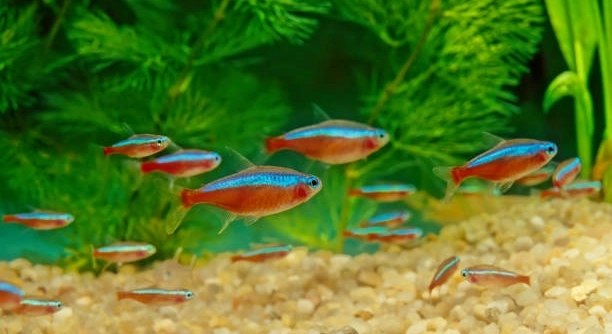
Neon Tetras are beloved for their vibrant colors and peaceful nature, making them a popular choice for aquariums. However, certain habits or tank conditions can shorten their lifespan. It’s important to understand what might harm your tiny fish.
Several factors, such as poor water quality, improper tank mates, overfeeding, and stress, can significantly reduce the lifespan of a Neon Tetra. Ensuring a stable environment and providing the proper care can help your fish live a longer, healthier life.
Keeping your Neon Tetra healthy involves maintaining good water conditions, choosing appropriate tank mates, and offering a balanced diet. Identifying and addressing any stressors will help enhance their well-being and extend their life.
Poor Water Quality
Water quality plays a critical role in the health of your Neon Tetra. If the water is not kept clean, it can lead to numerous health issues, like weakened immune systems and disease. Neon Tetras are especially sensitive to poor water conditions. High ammonia or nitrate levels, as well as incorrect pH levels, can cause long-term damage. Without regular water changes and monitoring, toxins can build up, making the environment unsuitable for your fish.
It’s essential to test the water regularly using reliable kits to check for toxins. If the water isn’t balanced, your fish may show signs of stress, such as fading colors or unusual behavior.
To prevent these issues, perform regular water changes and maintain the tank’s filtration system. Keeping the tank clean helps to remove harmful substances and ensures that your Neon Tetras are living in the healthiest possible environment. Make sure the water temperature is within the range they prefer, and adjust it accordingly. By providing a stable, clean environment, you’ll greatly improve the chances of your fish living a long life.
Incompatible Tank Mates
Neon Tetras need peaceful companions to thrive in their environment. Aggressive fish can stress them out and even cause injury. Tank mates that are too large may also pose a danger. This stress can lead to health problems and reduced lifespan.
Choosing tank mates that are gentle and similar in size is key. Avoid adding predatory fish or overly territorial species to the tank.
Overfeeding
Overfeeding your Neon Tetra can lead to a host of issues, including obesity and poor water quality. Leftover food decomposes, causing toxins to build up in the water, which harms your fish’s health. It’s easy to overestimate how much your fish need, but smaller, more frequent feedings are usually best.
Neon Tetras have tiny stomachs and don’t require large amounts of food. Offer only what they can consume in a few minutes, and be mindful of any uneaten food. This will help maintain water quality and prevent issues like bloating or digestive problems.
Feeding them too much also contributes to poor water quality, which, as mentioned earlier, can shorten their lifespan. It’s better to underfeed slightly than to overfeed. A healthy diet, combined with regular water changes, will help your Neon Tetras live longer, happier lives.
Stress
Neon Tetras are sensitive fish that can become stressed easily. Factors like sudden temperature changes, noisy environments, and overcrowding can cause them distress. Long-term stress weakens their immune system, making them more vulnerable to diseases.
Create a calm, stable environment for your fish to thrive. Make sure the water temperature is steady, avoid sudden movements near the tank, and keep noise to a minimum. A peaceful, secure tank will prevent stress-related illnesses and improve the quality of life for your Neon Tetras.
Also, ensure that the tank has enough hiding spots for your Tetras. Plants, decorations, or small caves can help them feel safe. A tank with plenty of cover reduces stress and allows your fish to swim comfortably without feeling exposed.
Inconsistent Tank Conditions
Sudden changes in tank conditions can severely affect your Neon Tetra. Variations in water temperature, pH levels, or lighting can cause stress and make your fish more vulnerable to diseases. Keeping conditions stable is crucial for their long-term health.
If you notice any changes in your fish’s behavior, check the water quality immediately. Even small fluctuations can have a significant impact. Avoid moving the tank or adjusting equipment too frequently, as this can destabilize the environment.
Establish a routine for water changes, temperature monitoring, and light cycles. A consistent environment encourages your Neon Tetra to thrive and live a longer, healthier life.
Illnesses
Neon Tetras can easily contract diseases, especially if the water quality is poor or if they are stressed. Illnesses like fin rot or ich can spread quickly if left untreated. Regular observation is key to catching problems early.
Monitor your fish regularly for signs of illness. If you notice faded colors, strange swimming patterns, or spots, it may be time to address potential health issues. Early treatment is essential for preventing further damage and increasing their chances of recovery.
Poor Tank Size
A small tank may seem convenient, but it’s not ideal for Neon Tetras. They require space to swim and thrive. A cramped environment can increase stress and lead to health problems.
Choosing the right tank size is essential for maintaining a stable ecosystem. At least a 10-gallon tank is recommended for a small group of Neon Tetras, with proper filtration and water conditions to support them. This gives them ample space to swim and reduces overcrowding.
FAQ
How often should I feed my Neon Tetra?
It’s best to feed your Neon Tetra once or twice a day, giving them only as much food as they can consume in a few minutes. Overfeeding can lead to poor water quality and health problems. Make sure to remove any leftover food from the tank to maintain clean water.
Can I keep Neon Tetras with other fish?
Neon Tetras are peaceful and do well with other small, non-aggressive fish. Avoid keeping them with large or predatory fish, as these can harm or stress your Tetras. Species like Corydoras, Guppies, or small Rasboras make great tank mates.
What is the ideal water temperature for Neon Tetras?
Neon Tetras thrive in water temperatures between 72°F and 78°F (22°C and 25°C). Keeping the water within this range ensures they stay comfortable and healthy. Sudden changes in temperature should be avoided, as they can stress your fish and lead to illness.
How do I know if my Neon Tetra is stressed?
Signs of stress in Neon Tetras include faded colors, erratic swimming, hiding more than usual, or rubbing against objects. Stress can be caused by poor water quality, incompatible tank mates, or sudden environmental changes. Identifying stress early helps prevent long-term damage.
Can Neon Tetras live in a tank without a filter?
While it’s possible for Neon Tetras to live in a tank without a filter, it’s not ideal. Without filtration, waste and toxins will quickly build up in the water, leading to poor water quality. If you don’t use a filter, frequent water changes are necessary.
What should I do if my Neon Tetra gets sick?
If your Neon Tetra shows signs of illness, such as spots, fin rot, or unusual behavior, it’s important to isolate the fish and treat it in a quarantine tank. Depending on the illness, you may need medications or changes in water quality. Early detection and treatment improve their chances of recovery.
Can Neon Tetras live in tap water?
Yes, Neon Tetras can live in tap water, but the water should be conditioned to remove chlorine or chloramine. It’s essential to test the water’s pH, hardness, and ammonia/nitrate levels to ensure they’re within the safe range for your fish. Regular water testing helps maintain proper conditions.
What is the lifespan of a Neon Tetra?
Under optimal conditions, Neon Tetras can live up to 5 years. However, their lifespan can be shortened by poor water quality, stress, or incompatible tank mates. Providing a stable, clean environment will help your Tetras reach their full potential lifespan.
How many Neon Tetras should I keep together?
Neon Tetras are social fish that do best in groups. A minimum of 6 to 8 Neon Tetras is recommended to reduce stress and promote natural schooling behavior. Larger groups are even better, as they feel safer and more secure.
Can Neon Tetras handle high light levels?
Neon Tetras prefer low to moderate light levels. Bright, direct light can cause stress and make them shy. To replicate their natural habitat, you should provide soft, diffused lighting in the tank. This will help your Tetras feel more at ease.
What size tank do Neon Tetras need?
Neon Tetras require at least a 10-gallon tank to thrive. Smaller tanks can lead to overcrowding, which increases stress and can negatively affect water quality. A larger tank provides more stable water conditions and more swimming space for your fish.
How do I breed Neon Tetras?
Breeding Neon Tetras in a home aquarium is possible but can be challenging. To encourage breeding, maintain soft, acidic water with temperatures between 74°F and 78°F (23°C – 25°C). Provide plants or mesh breeding mops for the fish to lay eggs. Once the eggs hatch, separate the fry from adult fish to prevent them from being eaten.
Final Thoughts
Taking care of Neon Tetras is rewarding, but it requires attention to detail. These small fish are sensitive and thrive in stable, clean environments. Poor water quality, overfeeding, stress, and incompatible tank mates can all shorten their lifespan. By making sure their tank is well-maintained, you can ensure they stay healthy and vibrant for a long time. Keeping a consistent routine for water changes, feeding, and tank monitoring is key to providing the best care for your fish.
Neon Tetras are peaceful fish that do best in a community tank with similar-sized, non-aggressive species. They enjoy swimming in schools, so it’s important to keep them in groups of at least six to eight. Having the right tank mates can reduce stress and help maintain a harmonious environment. Avoid large or predatory fish that may threaten them. Make sure the water temperature, pH, and hardness are suitable for Neon Tetras, as these factors greatly impact their overall health and lifespan. Proper care and attention to detail will allow these beautiful fish to thrive.
In the end, Neon Tetras can live up to five years if cared for properly. While they are hardy and adaptable to a range of conditions, creating the best possible environment for them to flourish is essential. By avoiding common mistakes like overfeeding, providing the right tank size, and monitoring water quality, you can enjoy the company of your Neon Tetras for many years. With the right approach, these small but colorful fish can brighten up any aquarium, adding beauty and life to your home.

Hello,
If you enjoy the content that we create, please consider saying a "Thank You!" by leaving a tip.
Every little bit helps us continue crafting quality advice that supports the health, happiness, and well-being of pets around the world, for pets of all shapes, sizes, and species.
We really appreciate the kindness and support that you show us!