
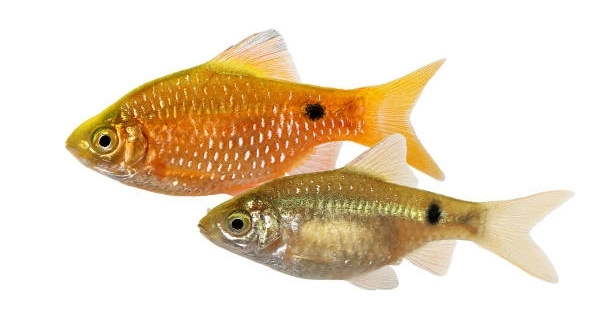
Rosy barbs are colorful, active fish that brighten any aquarium. They can be sensitive to changes in their environment, which sometimes leads to unexpected problems. Understanding what shocks them is key to keeping them healthy and happy.
Rosy barbs often react poorly to sudden water changes, poor water quality, aggressive tank mates, improper diet, lack of hiding spots, overcrowding, and rapid temperature shifts. Addressing these issues helps reduce their stress and improves their well-being.
Learning to recognize and fix these problems will help your rosy barbs thrive and enjoy a peaceful, vibrant life in your aquarium.
Sudden Water Changes
Sudden changes in water chemistry or temperature can shock rosy barbs, causing stress or illness. They are used to stable conditions, so a big shift feels dangerous to them. Even if water looks clean, shifts in pH, hardness, or temperature can unsettle these fish. Gradual water changes are necessary to keep their environment stable. When doing water changes, replace only 10–20% at a time and adjust the new water’s temperature and chemistry beforehand. This helps them adapt smoothly without feeling threatened. It’s also important to avoid using untreated tap water, which might contain chlorine or harmful substances. By maintaining a consistent and gentle water routine, you reduce the chances of shocking your rosy barbs. Over time, this keeps them active and less prone to disease, giving you more enjoyment from your aquarium. A steady environment is the best way to keep rosy barbs calm and healthy.
Small water changes done carefully prevent stress and keep your fish safe. Stability is key for their well-being.
Keeping your water conditions steady is the best way to avoid shocks. Use a water conditioner and test your water regularly to keep parameters balanced. This simple care step makes a big difference in your rosy barbs’ health and happiness.
Poor Water Quality
Poor water quality quickly harms rosy barbs, leading to sickness and dull colors. Uneaten food, fish waste, and decaying plants raise ammonia and nitrite levels. These chemicals are toxic and stress the fish. Without proper filtration and cleaning, toxins build up fast. It is crucial to test water regularly and do routine water changes. A good filter helps keep the water clean, but it needs regular maintenance to work well. Avoid overfeeding, since leftover food breaks down and pollutes the water. Live plants can help absorb waste but should be trimmed and kept healthy. Keeping a clean tank means rosy barbs swim in safe water, helping them grow strong and vibrant.
Water quality directly affects your fish’s health and mood.
Routine cleaning and water tests are essential to keep your tank healthy. Monitoring water helps spot problems early before your rosy barbs get sick. Regular care keeps the aquarium environment balanced and pleasant for all your fish.
Aggressive Tank Mates
Aggressive fish stress rosy barbs, causing injury or constant hiding. They need calm companions to feel safe.
Rosy barbs are peaceful fish that do best with other non-aggressive species. If they share the tank with fin-nippers or territorial fish, they may become stressed or wounded. Stress weakens their immune system and can lead to disease. When choosing tank mates, pick species that match their temperament and size. Avoid keeping them with larger, aggressive fish or overly territorial species. Grouping rosy barbs together can help reduce stress since they feel more secure in schools. A peaceful community tank supports their natural behavior and keeps them healthy.
A calm environment encourages rosy barbs to swim freely and show their best colors. Managing tank mates carefully makes a big difference in their happiness.
Improper Diet
A poor diet affects rosy barbs’ health and color vibrancy. They need a balanced mix of nutrients.
Feeding only one type of food can cause deficiencies and health problems in rosy barbs. They require a mix of flakes, pellets, and occasional live or frozen foods to get enough protein, vitamins, and minerals. Overfeeding or feeding low-quality food can also pollute the water and stress the fish. A varied diet supports their immune system, growth, and energy. Including foods like bloodworms or brine shrimp occasionally helps replicate their natural diet. Monitor feeding amounts to avoid leftovers that decay in the tank. Proper nutrition keeps your rosy barbs strong and colorful.
Careful feeding with balanced food helps your fish thrive. Paying attention to diet ensures they stay lively and healthy over time.
Lack of Hiding Spots
Rosy barbs need places to hide to feel secure. Without hiding spots, they become stressed and restless.
Plants, rocks, or decorations create safe spaces. These reduce stress and encourage natural behavior like exploring and resting.
Overcrowding
Too many fish in one tank causes stress and poor water quality. Rosy barbs need enough space to swim freely and avoid competition.
Keeping fewer fish or using a larger tank helps maintain balance and prevents fights. Proper stocking levels keep your fish healthy and peaceful.
Rapid Temperature Shifts
Sudden temperature changes shock rosy barbs, weakening their immune system and causing illness. Stability in temperature is crucial for their well-being.
What causes rosy barbs to get stressed easily?
Rosy barbs are sensitive to changes in their environment. Sudden shifts in water temperature, water chemistry, or overcrowding can cause stress. Stress can also come from aggressive tank mates or lack of hiding places. When they feel threatened or uncomfortable, their immune system weakens, making them prone to illness. Maintaining stable water conditions and providing a peaceful tank helps reduce stress significantly.
How often should I change the water in a rosy barb tank?
A partial water change of about 10–20% once a week is ideal for keeping water quality stable. Changing too much water at once can shock the fish by causing sudden changes in water parameters. Always make sure the new water matches the temperature and pH of the tank to avoid stressing the fish. Using a water conditioner helps remove chlorine and other harmful chemicals from tap water.
What is the best diet for rosy barbs?
Rosy barbs need a balanced diet with flakes or pellets as a base. Supplement their diet with live or frozen foods like bloodworms, brine shrimp, or daphnia a few times a week. This variety provides essential nutrients and helps maintain their bright colors. Avoid overfeeding to prevent leftover food from polluting the water. Feeding small amounts twice a day works well.
Can rosy barbs live with other fish?
Yes, rosy barbs do well with other peaceful fish of similar size. Avoid keeping them with aggressive or territorial fish that may bully or nip their fins. Good tank mates include tetras, danios, and other barbs that are non-aggressive. Grouping rosy barbs in schools of five or more helps reduce stress and encourages natural behavior.
How can I tell if my rosy barbs are stressed?
Signs of stress include hiding more than usual, loss of color, clamped fins, or erratic swimming. They may also stop eating or develop white spots or other signs of illness. If you notice these behaviors, check your water parameters, tank mates, and feeding routine. Stress usually signals something in the environment needs adjustment.
What temperature range is best for rosy barbs?
Rosy barbs thrive in water temperatures between 64°F and 72°F (18°C to 22°C). Sudden changes outside this range can shock them. Keep the temperature stable using a reliable aquarium heater or cooler if needed. Avoid placing the tank near windows or vents where temperatures can fluctuate.
How important are hiding spots for rosy barbs?
Hiding spots are very important. Plants, rocks, and decorations create safe places where rosy barbs can retreat if they feel threatened or stressed. These spots help reduce aggression from other fish and allow the barbs to rest. Without hiding places, they become restless and stressed, which can lead to illness.
Why does overcrowding harm rosy barbs?
Overcrowding causes competition for food and oxygen, raises waste levels, and stresses fish. It can lead to poor water quality and increased disease risk. Rosy barbs need enough space to swim freely and maintain social behavior. Following recommended stocking guidelines and providing a large enough tank keeps the environment healthy.
How do I handle sudden water parameter changes?
If water parameters change suddenly, perform partial water changes gradually and monitor the fish closely. Use water conditioners to detoxify tap water and match temperature and pH carefully. If the water quality drops due to pollution, clean the tank and filter promptly. Stabilizing the environment helps your rosy barbs recover quickly.
Is it necessary to quarantine new fish before adding them to the tank?
Yes, quarantining new fish is important to prevent introducing diseases or parasites. Keep new fish in a separate tank for two to four weeks and observe their behavior and health. Treat any illnesses during quarantine before adding them to the main tank. This step protects your rosy barbs and keeps your aquarium safe.
What should I do if my rosy barbs show signs of illness?
If your rosy barbs look sick, test the water first and correct any problems. Isolate sick fish if possible and treat with appropriate medications based on symptoms. Improving water quality and reducing stress are critical for recovery. Consult a fish care guide or specialist for specific treatments to help your fish heal.
How often should I clean the tank and filter?
Clean the tank and filter regularly to keep water clear and healthy. Remove uneaten food and debris during weekly water changes. Rinse filter media in tank water (not tap water) once a month to avoid killing beneficial bacteria. Proper maintenance supports stable water quality and a healthy environment for your rosy barbs.
Taking care of rosy barbs means paying close attention to their environment and needs. These fish are sensitive to changes, so keeping water stable and clean is very important. Small things like regular water changes, proper filtration, and avoiding overcrowding help create a healthy tank. When their home is balanced, rosy barbs feel safe and show their bright colors. Stress can make them sick, so preventing shocks by managing water quality and temperature is key. It is also important to watch for signs of discomfort, like hiding too much or losing color, so problems can be fixed early.
Feeding rosy barbs a balanced diet is another essential part of care. They need more than just flakes or pellets to stay healthy. Adding live or frozen foods like bloodworms or brine shrimp helps provide the nutrients they would find in nature. Overfeeding should be avoided because extra food can dirty the water and cause health issues. Watching how much your fish eat and adjusting portions helps keep the tank clean and the fish happy. Giving your rosy barbs a variety of foods supports their immune system and encourages them to be active and colorful.
Lastly, choosing the right tank mates and providing hiding spots makes a big difference in how well rosy barbs do. Aggressive or territorial fish can stress them out, so peaceful companions of similar size are best. Grouping rosy barbs together also helps them feel secure. Adding plants, rocks, and decorations gives them places to hide and rest, which reduces stress. When these needs are met, rosy barbs can swim freely and display natural behavior. Taking care of all these details leads to a lively, healthy aquarium where your rosy barbs can thrive for years.

Hello,
If you enjoy the content that we create, please consider saying a "Thank You!" by leaving a tip.
Every little bit helps us continue crafting quality advice that supports the health, happiness, and well-being of pets around the world, for pets of all shapes, sizes, and species.
We really appreciate the kindness and support that you show us!