
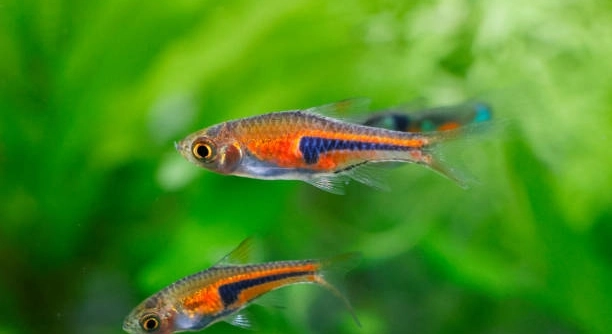
Rasboras are small, colorful freshwater fish that many enjoy keeping in home aquariums. Understanding what causes them stress or fear can help maintain their health and happiness. Their natural instincts influence how they react to various situations.
The primary fears of Rasboras include sudden movements, loud noises, poor water quality, aggressive tank mates, insufficient hiding spaces, changes in lighting, and irregular feeding schedules. These factors disrupt their environment and cause significant stress responses.
Recognizing these fears allows for better care and a calmer habitat for Rasboras. The following details explain what triggers their anxiety and how to manage it effectively.
Sudden Movements and Loud Noises
Rasboras are naturally cautious fish that rely on calm surroundings to feel safe. Sudden movements near the tank or loud noises can startle them easily. These unexpected disturbances trigger a fight-or-flight response, causing the fish to dart around or hide. In a home aquarium, rapid hand movements during feeding or cleaning, as well as loud music or conversations, can create stress. Over time, constant exposure to such stressors can weaken their immune system and reduce their lifespan. It is important to approach the tank gently and keep noise levels low to create a peaceful environment. Maintaining a calm space not only helps Rasboras feel secure but also encourages natural behaviors, making the aquarium more enjoyable to watch.
Minimizing sudden motions and controlling noise around the aquarium are effective ways to reduce Rasboras’ stress and fear responses.
A steady and calm environment benefits Rasboras by promoting relaxation and reducing anxiety. Being mindful of movements around the tank and limiting loud sounds helps maintain their health. Creating a predictable routine for feeding and care also lowers stress. This consistency allows Rasboras to feel safe, leading to better activity and coloration. A quiet and stable setting encourages natural schooling behavior and interaction, improving their overall well-being.
Poor Water Quality and Aggressive Tank Mates
Poor water quality is a significant source of stress for Rasboras. High levels of ammonia, nitrites, or nitrates, as well as improper pH and temperature, can cause discomfort and illness. Regular testing and water changes are essential to keep the environment healthy. Additionally, aggressive or territorial tank mates create constant fear and anxiety. Rasboras are peaceful and do best with calm species that won’t bully or chase them. Introducing incompatible fish can lead to injury or death. Careful selection of tank companions and maintaining clean water conditions help Rasboras thrive. By monitoring water parameters and choosing compatible fish, the aquarium becomes a safer and more comfortable habitat for these delicate creatures.
Insufficient Hiding Spaces
Rasboras need places to retreat when they feel threatened. Without enough hiding spots, their stress levels increase. Dense plants, rocks, or decorations provide shelter and reduce fear.
Providing adequate hiding spaces mimics their natural habitat. It allows Rasboras to rest and recover from stress. Lack of cover leaves them exposed and vulnerable, which can lead to constant anxiety. Adding plants like Java fern or floating species creates shaded areas that help them feel secure. Rocks and caves also offer protection, reducing aggressive interactions. When Rasboras have places to hide, they display more natural behavior and are less likely to become skittish or exhausted from fear.
Proper shelter benefits not only the Rasboras but the whole aquarium ecosystem. It encourages peaceful coexistence among fish and helps maintain balance. Observing how they use these spaces can also provide insight into their comfort levels and health. Hiding spots improve their quality of life significantly.
Changes in Lighting
Sudden changes in lighting disturb Rasboras and can frighten them. They adapt best to gradual shifts in brightness or daylight cycles.
Rasboras are sensitive to abrupt light changes because they rely on consistent cues to regulate their daily activities. Sudden bright lights or flickering can cause panic and erratic swimming. To avoid this, use timers for aquarium lights to simulate natural sunrise and sunset. Dimming lights gradually in the evening helps them settle down. Excessive or direct lighting may also stress them, so balancing intensity is important. Keeping lighting stable supports their natural rhythms, improving health and reducing fear.
Consistent lighting promotes normal behavior and feeding patterns. It also helps maintain their coloration and vitality. A well-lit but not overly bright tank creates a calm atmosphere that supports Rasboras’ wellbeing. Avoid turning lights on or off abruptly to keep their environment predictable and secure.
Irregular Feeding Schedules
Rasboras become anxious when their feeding times are inconsistent. Regular meals help them feel secure and maintain good health.
A predictable feeding routine supports their metabolism and reduces stress. Skipping or delaying meals can cause fear and erratic behavior. Consistency reassures them that food is available, which keeps their energy steady.
Aggressive Tank Mates
Aggressive fish create constant fear in Rasboras, disrupting their peace and safety.
Choosing calm, compatible species prevents bullying and injury. Avoiding territorial or large fish reduces stress and promotes a stable environment.
Poor Water Circulation
Inadequate water flow leads to low oxygen and unhealthy conditions, increasing Rasboras’ stress.
Sensitivity to Temperature Fluctuations
Rasboras prefer stable temperatures. Sudden changes can cause fear and illness.
FAQ
What are the signs that Rasboras are scared?
When Rasboras feel scared, they often hide more than usual or swim erratically. They may dart suddenly, stay close to the bottom, or crowd into tight groups. Loss of color or reduced activity can also indicate stress caused by fear.
How can I reduce stress for my Rasboras?
Maintaining stable water conditions, providing plenty of hiding spots, and avoiding sudden loud noises are key. Consistent feeding times and gentle tank maintenance also help. Choosing peaceful tank mates ensures a calm environment, which lowers their anxiety.
Is tank size important for Rasboras’ comfort?
Yes. A larger tank gives Rasboras enough space to swim freely and avoid aggressive fish. It also allows more room for plants and decorations, creating hiding places that help them feel secure.
Can poor water quality harm Rasboras?
Absolutely. High ammonia or nitrate levels cause discomfort and illness, making Rasboras more fearful. Regular testing and partial water changes keep the tank safe and stable.
Why do sudden light changes scare Rasboras?
Rasboras are used to gradual light transitions in their natural habitat. Sudden changes confuse them and trigger panic. Using a timer for aquarium lights simulates natural conditions and prevents stress.
What tank mates are best for Rasboras?
Peaceful species like small tetras, danios, and some livebearers work well. Avoid large or aggressive fish that might chase or bully Rasboras.
How often should I feed Rasboras?
Feed small amounts once or twice daily on a regular schedule. Overfeeding or irregular feeding causes stress and poor water quality.
Can Rasboras recover from stress easily?
With proper care, yes. Stable water, gentle handling, and a calm environment help them bounce back quickly. Chronic stress, however, weakens their immune system.
What decorations are best for hiding?
Live plants, caves, and smooth rocks provide excellent cover. Floating plants add shade and comfort.
How important is water temperature for Rasboras?
They thrive between 72°F and 78°F. Sudden temperature shifts cause fear and health issues. Using a reliable heater and thermometer maintains stability.
Do Rasboras prefer schooling or solitary living?
Rasboras are schooling fish and feel safest in groups of six or more. Being alone increases fear and stress.
Can loud noises outside the tank affect Rasboras?
Yes, loud bangs or constant noise nearby can startle them. A quiet location helps keep them calm.
How do I know if my Rasboras are healthy?
Healthy Rasboras swim actively, show bright colors, and eat regularly. Stress signs include hiding, clamped fins, or discoloration.
Is it harmful to handle Rasboras often?
Handling is stressful and should be minimized. Use a net only when necessary to reduce fear and injury risk.
What should I do if Rasboras seem scared all the time?
Check water quality, tank mates, and environment stability. Increase hiding places and reduce disturbances. Adjust lighting and feeding routines to create a safer space.
How often should water be changed?
Perform partial water changes of 20-30% weekly to maintain clean water and reduce toxins.
Can plants really help reduce fear in Rasboras?
Yes. Plants provide shelter and make the tank environment closer to their natural habitat, helping Rasboras feel secure.
Is a filter necessary for Rasboras?
Yes, a filter keeps the water clean and oxygenated. However, avoid strong currents as Rasboras prefer gentle flow.
What happens if Rasboras don’t have enough hiding spots?
They become stressed, hide less effectively, and may show signs of illness due to constant fear and exhaustion.
Are Rasboras sensitive to water pH?
They prefer slightly acidic to neutral water (pH 6.5–7.5). Sudden changes or extremes in pH cause discomfort and fear.
This FAQ covers common concerns about Rasboras and helps create an environment that reduces their fear and supports their health.
Final Thoughts
Rasboras are delicate fish that respond strongly to their environment. Their natural instincts make them sensitive to sudden changes, loud noises, and poor water conditions. When these factors are not managed properly, the fish experience stress and fear, which can affect their health and behavior. Understanding the things that scare Rasboras the most helps in creating a safer and more comfortable aquarium. This knowledge allows owners to provide a stable habitat that supports the well-being of these peaceful fish.
Maintaining consistent water quality and temperature is essential. Rasboras thrive in clean water with stable parameters, so regular testing and partial water changes are necessary. Providing enough hiding places, such as plants and decorations, helps them feel secure. Avoiding aggressive tank mates and reducing sudden movements or noises near the tank can further reduce their stress. A well-balanced environment with predictable feeding and lighting routines encourages natural behavior and reduces fear.
Taking the time to observe Rasboras closely can reveal signs of stress or discomfort early. By addressing the causes promptly, owners can prevent long-term health problems and improve the quality of life for their fish. Creating a calm and supportive setting not only benefits Rasboras but also makes the aquarium more enjoyable to maintain and watch. Careful attention to these details leads to a healthy, vibrant tank where Rasboras can thrive peacefully.

Hello,
If you enjoy the content that we create, please consider saying a "Thank You!" by leaving a tip.
Every little bit helps us continue crafting quality advice that supports the health, happiness, and well-being of pets around the world, for pets of all shapes, sizes, and species.
We really appreciate the kindness and support that you show us!