
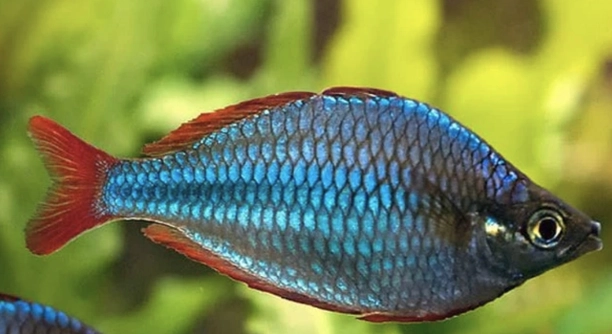
Rainbow fish are beautiful creatures that bring a vibrant splash of color to any aquarium. However, they can get easily stressed by certain environmental factors. Understanding what scares them can help keep them healthy and happy in their tanks.
Rainbow fish can become frightened by sudden temperature changes, overcrowding, loud noises, aggressive tank mates, poor water quality, bright lights, or sudden movements. These factors can trigger stress, which may affect their health and behavior negatively.
By identifying and managing these stressors, you can ensure a peaceful environment for your rainbow fish. Read on to learn more about the factors that can scare them and how to avoid them.
Sudden Temperature Changes
Rainbow fish are sensitive to changes in water temperature. If the water becomes too hot or cold, it can cause them significant stress. These fish are used to stable conditions, and any sudden fluctuation can lead to illness or even death. For example, if you accidentally add cold water to the tank, it can shock the fish, making them inactive or agitated.
Temperature consistency is important for their health. Keeping a heater in the tank that’s regulated can help maintain a steady environment. It’s also best to monitor the temperature with a thermometer, especially if the weather changes dramatically.
When setting up an aquarium, aim for a water temperature between 72°F and 79°F. This range is ideal for rainbow fish. A quick drop or rise of just a few degrees can be enough to stress them. Adjusting the heater slowly over time will prevent shocks and keep your fish comfortable.
Overcrowding in the Tank
Overcrowding is another issue that can cause stress.
Rainbow fish thrive in groups, but when too many are packed into a small tank, it leads to competition for space and resources. This can result in fighting and can decrease their overall health.
It’s important to give rainbow fish enough room to swim and explore. A good rule is to provide at least 10 gallons of water per fish, but more space is always better. Overcrowding leads to poor water quality, too, which can also scare and harm the fish. More space allows for better filtration and less buildup of waste.
Loud Noises
Rainbow fish can get frightened by loud noises, whether it’s a sudden bang or even the sound of people talking near the tank. These noises disrupt their peaceful environment, making them anxious. Fish, especially rainbow fish, are sensitive to vibrations in the water, and loud sounds can make them feel threatened.
Fish tanks are often placed in busy or noisy areas, but keeping your tank in a quieter spot can help. Avoid slamming doors or tapping on the glass. Keep the area around the tank calm to prevent stressing out the fish.
The sound of a vacuum or even heavy footsteps can cause rainbow fish to become scared. If your tank is near a noisy appliance, try to move it to a quieter location. This simple change can significantly reduce their anxiety and keep them happier.
Aggressive Tank Mates
Aggressive fish or even aggressive behavior from other rainbow fish can scare them.
Rainbow fish are peaceful creatures, and they do best with non-aggressive tank mates. Fish that chase or nip at them can cause constant stress, leading to health issues. It’s important to research fish compatibility before adding new tank mates.
If you notice any bullying behavior, it’s best to separate the aggressive fish or introduce more hiding places for the rainbow fish. Rainbow fish thrive in calm environments where they aren’t constantly threatened by their tank mates. Adding more plants and decorations also allows fish to retreat if needed. This helps reduce stress levels and keeps them feeling secure.
Poor Water Quality
Rainbow fish are sensitive to poor water conditions. Dirty or polluted water can lead to stress, health problems, or even death. Poor water quality can result from infrequent water changes, overfeeding, or insufficient filtration. Keeping the water clean is essential to their well-being.
Regular water testing is key to ensure that levels of ammonia, nitrites, and nitrates stay within safe ranges. Water changes should be done at least every two weeks, depending on the tank’s size and the number of fish. Good filtration systems also help maintain clean water, reducing stress for the fish.
Bright Lights
Bright, harsh lights can be overwhelming for rainbow fish. They prefer dimmer, softer lighting. Too much light can stress them out, causing them to hide or become more skittish. Using a gentle, aquarium-safe light is important for their comfort.
Setting a light schedule is also beneficial. Keeping the lights on for around 8–12 hours a day mimics natural day and night cycles, which helps the fish feel secure and maintain a healthy routine. This consistency reduces stress and allows them to rest during the dark hours.
Sudden Movements
Rainbow fish can get startled by sudden movements near their tank. Rapid actions, such as people walking quickly past the tank or tapping on the glass, may cause them to dart around or hide. This behavior increases their stress levels.
To prevent startling the fish, it’s best to move slowly around the aquarium and avoid abrupt motions. Keeping the area around the tank calm ensures that your fish feel safe and aren’t constantly on edge.
FAQ
What temperature do rainbow fish prefer?
Rainbow fish thrive in water temperatures between 72°F and 79°F. Maintaining this range helps them feel comfortable and reduces stress. It’s important to use an aquarium heater to keep the temperature steady, especially if the room temperature fluctuates. Regularly check the temperature with a thermometer to ensure it stays within the ideal range.
Can rainbow fish live in cold water?
Rainbow fish are not cold-water fish. They are tropical and need warm water to survive. If kept in cold water, their immune systems become weakened, and they may develop illnesses. They also become stressed, which can lead to poor behavior and overall health. Always maintain a warm water environment to keep them happy.
How often should I feed my rainbow fish?
Rainbow fish should be fed once or twice a day, but it’s important not to overfeed. Giving them small amounts of food that they can consume in a few minutes prevents excess food from polluting the water. Overfeeding can also lead to health problems, so be sure to monitor how much food you give them.
Do rainbow fish need to be in a group?
Rainbow fish are social creatures and do best in groups of at least 5-6 fish. While they can survive alone, they will be much happier and less stressed in the company of their own kind. A group setting also encourages natural behaviors and provides a more stimulating environment.
Can rainbow fish live with other species?
Yes, rainbow fish can live with many peaceful fish species, such as tetras, corydoras, and guppies. Avoid pairing them with aggressive or overly territorial fish, as this can cause stress and harm. When selecting tank mates, always consider the size, temperament, and needs of each species to ensure compatibility.
Why do my rainbow fish hide all the time?
Rainbow fish may hide due to stress caused by poor water quality, aggressive tank mates, or sudden movements near the tank. They could also be stressed by bright lighting or fluctuations in temperature. Ensuring a calm, stable environment with plenty of hiding spots can help them feel safe and more active.
How do I know if my rainbow fish are stressed?
Stressed rainbow fish may exhibit unusual behaviors such as hiding, darting around the tank, or staying at the surface. They may lose their color or refuse to eat. If you notice these signs, check the water quality, temperature, and tank environment to identify potential stress factors.
Can rainbow fish live in a small tank?
While rainbow fish can live in smaller tanks, they need plenty of swimming space to feel comfortable. A minimum of 20 gallons is recommended for a small group of rainbow fish. Smaller tanks can lead to overcrowding, which increases stress and can affect their health. Larger tanks offer better conditions for growth and behavior.
What plants are best for rainbow fish tanks?
Rainbow fish enjoy swimming around plants, and adding live plants can help reduce stress. Plants like Java fern, Anubias, and Amazon swords are great choices because they provide hiding spots and improve water quality. Having plants also makes the tank environment more natural and stimulating for the fish.
How do I prevent disease in my rainbow fish?
To prevent disease, it’s important to maintain good water quality, avoid overcrowding, and feed a balanced diet. Regular water changes, proper filtration, and monitoring water parameters help prevent the buildup of harmful substances. Quarantining new fish before introducing them to the tank can also reduce the risk of introducing diseases.
Final Thoughts
Rainbow fish are beautiful and vibrant creatures that can make any aquarium more lively. However, like all fish, they require a stable and safe environment to thrive. Understanding what scares them is crucial in providing the best care. By paying attention to factors like water temperature, tank mates, lighting, and the overall tank environment, you can ensure that your rainbow fish remain healthy and stress-free. Stress can lead to various health issues, so creating a calm atmosphere will not only improve their quality of life but also help them show their natural, colorful beauty.
One of the most important things you can do is maintain proper water quality. Rainbow fish are highly sensitive to changes in their environment, and poor water conditions can quickly lead to stress or illness. Regular water changes, using a good filtration system, and monitoring the water’s temperature and chemical levels will help keep your fish happy. It’s also important to be mindful of the number of fish in the tank. Overcrowding can cause stress, so it’s best to provide enough space for each fish to swim freely and comfortably. A well-planned tank setup will make a big difference in how your fish behave.
In addition to physical factors, the emotional and social needs of rainbow fish should also be considered. These fish are social and do well in groups. Keeping them in a group will not only make them feel more secure but also bring out their natural behaviors. Avoiding aggressive tank mates and sudden movements around the aquarium will also help reduce stress. If you take the time to observe your fish and address any issues promptly, they’ll have a long, happy life in your care. With proper attention and care, rainbow fish can continue to brighten your tank for years.

Hello,
If you enjoy the content that we create, please consider saying a "Thank You!" by leaving a tip.
Every little bit helps us continue crafting quality advice that supports the health, happiness, and well-being of pets around the world, for pets of all shapes, sizes, and species.
We really appreciate the kindness and support that you show us!