
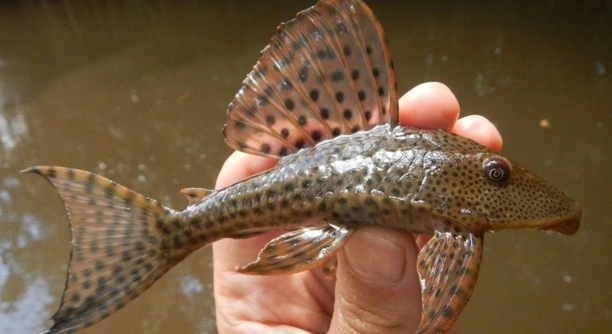
Plecostomus are popular freshwater fish in many aquariums, known for their ability to clean algae. However, like other creatures, they can get startled by certain things in their environment. It’s important to understand what may scare them.
Plecostomus are often frightened by sudden changes in light, loud noises, or other tank mates that exhibit aggressive behavior. These factors cause stress, affecting their health and behavior. Proper tank conditions help reduce these stressors, ensuring a peaceful environment.
Recognizing these common triggers can help you create a more secure space for your Plecostomus. Understanding their needs will ensure a happy, healthy fish that thrives in your tank.
Sudden Light Changes
Plecostomus are sensitive to shifts in light levels. They prefer dim, stable lighting and can get stressed when lights suddenly turn on or off. Quick changes in light can cause them to hide or act erratically. This can be particularly noticeable when the tank is exposed to natural sunlight or strong artificial lights.
Lighting in the tank should be kept steady to avoid startling your Plecostomus. If you need to adjust the lighting, do it gradually to prevent stress. Dim lighting, such as a soft aquarium light or low light conditions, is ideal for these fish.
You can reduce the intensity of sudden light changes by using timers or automated systems for your tank’s lighting. This ensures that the fish experience a gradual transition between day and night. Some owners also use natural light, but they avoid direct sunlight. By setting up proper lighting, your Plecostomus will feel more comfortable and less likely to hide. Always keep their environment as consistent as possible to avoid any unnecessary stress. This simple adjustment makes a big difference in their well-being.
Aggressive Tank Mates
Plecostomus may feel threatened by aggressive fish.
Certain tank mates can cause anxiety in Plecostomus, especially if they are territorial or display aggressive behaviors. Fish like cichlids, which can be territorial, might chase or bully a Plecostomus. This increases stress levels and can result in health problems for your fish. Plecostomus prefer peaceful tank mates, as they tend to be non-confrontational.
It’s crucial to carefully select tank mates that are calm and not overly dominant. Choose fish that won’t fight over territory or food, as this will help keep the Plecostomus from feeling stressed. Some smaller species, such as tetras or peaceful catfish, tend to do well with Plecostomus. Providing plenty of hiding spots and space within the tank will help reduce territorial behavior and keep the tank atmosphere peaceful. Regular monitoring of tank dynamics ensures that your Plecostomus feels safe and is not constantly under threat from other fish.
Loud Noises
Loud sounds can startle Plecostomus and cause stress. They are sensitive to vibrations and sudden noises, which may make them hide or behave unusually. Even sounds outside the tank, like a door slamming or loud talking, can disturb them.
Plecostomus have an excellent sense of hearing and can pick up even slight vibrations from their environment. Sudden loud noises often lead them to seek shelter, hiding behind rocks or decorations. Consistent exposure to noise may cause anxiety, affecting their feeding and overall health. To avoid startling them, maintain a quiet atmosphere near the tank.
Using soundproofing methods or placing your tank in a less trafficked area can help reduce stress. Additionally, soft background music or gentle sounds will not disturb them as much. It’s also important to avoid tapping on the tank glass, as this can be perceived as a threat. Keeping the tank environment peaceful and quiet ensures your Plecostomus stays calm.
Uneven Water Conditions
Changes in water temperature or quality can make Plecostomus feel unsafe. These fish are highly sensitive to fluctuations in water parameters, such as pH, temperature, and hardness. Inconsistent conditions cause discomfort, which may lead to stress or illness.
When water conditions shift, it can affect the Plecostomus’ immune system, making them more susceptible to diseases. A sudden drop or increase in temperature can disrupt their behavior, making them more prone to hiding or becoming inactive. To keep them comfortable, regular water testing is necessary to ensure parameters stay stable. The ideal temperature for Plecostomus is between 75°F and 80°F, with a pH level of around 6.5 to 7.5.
A filtration system is crucial in maintaining clean water. Be sure to perform regular water changes and check the filter’s efficiency. This helps avoid an unhealthy environment that could contribute to stress. Stable water conditions improve the overall health of your Plecostomus, reducing the likelihood of them becoming frightened or ill.
Poor Tank Setup
A poorly set-up tank can leave your Plecostomus feeling exposed. Lack of hiding spots, overcrowded conditions, or inadequate filtration can all contribute to stress. These factors may cause them to feel unsafe and retreat more often.
Ensure your tank has plenty of hiding places, such as caves or plants, where your Plecostomus can rest. Overcrowding the tank creates competition for space and food, which raises stress levels. A properly filtered tank helps maintain clean water, ensuring your fish stay healthy and comfortable. A little extra care in setting up the tank will go a long way.
Chemical Exposure
Plecostomus are sensitive to chemicals in the water.
Exposing your fish to harmful chemicals, such as those from cleaning products or medications, can cause stress. Always ensure that any chemicals used in or around the tank are safe for aquatic life. Overuse of water treatments or fertilizers can also upset your fish’s health.
Using proper, aquarium-safe products and ensuring good water quality will prevent any negative reactions. Pay close attention to water changes and use only safe additives, following instructions carefully. Your Plecostomus will thrive in a chemical-free environment, where they can feel secure and relaxed.
FAQ
Why does my Plecostomus keep hiding?
Plecostomus are shy creatures, especially in new environments or when they feel threatened. If your Plecostomus is hiding more than usual, it could be due to stress from tank mates, sudden lighting changes, or poor water conditions. They may also hide if they feel overcrowded or if there aren’t enough hiding spots available. Providing a few caves or plants can help them feel more secure. Regularly check your tank’s water temperature and pH, as fluctuating conditions can also cause them to hide more.
What are the best tank mates for Plecostomus?
Plecostomus are generally peaceful fish, but they can become stressed around aggressive tank mates. It’s best to choose peaceful, non-territorial fish like tetras, guppies, or rasboras. Avoid placing them with aggressive fish such as cichlids or large predatory species, which might intimidate them. Additionally, keeping the tank spacious and adding lots of hiding places will ensure that the Plecostomus has room to retreat if needed.
How do I know if my Plecostomus is stressed?
Stress in Plecostomus can show in various ways. If your fish is hiding more than usual, swimming erratically, or spending too much time near the surface, these are signs that it may be stressed. Stress can also cause them to stop eating, become lethargic, or develop skin discoloration. If you notice any of these behaviors, check your tank’s environment. Look for changes in water quality, tank mates, or lighting that could be causing distress.
Can I keep more than one Plecostomus in my tank?
Yes, you can keep multiple Plecostomus in the same tank, but they need enough space to avoid territorial behavior. These fish are bottom dwellers, so overcrowding can lead to competition for food and hiding spots. It’s important to provide a spacious tank with plenty of decorations and hiding places. If you have more than one, keep in mind that they might display some mild territorial behavior, especially during feeding times.
Is it normal for my Plecostomus to stop eating for a while?
Yes, it’s normal for Plecostomus to stop eating temporarily, especially when they’re adjusting to a new environment or dealing with stress. They are also nocturnal and may eat more at night, so ensure they have access to food during that time. If your Plecostomus stops eating for an extended period, it could indicate poor water quality, illness, or stress from tank conditions. Check the water parameters and make sure there are no aggressive tank mates.
How can I improve the water quality for my Plecostomus?
Maintaining good water quality is essential for your Plecostomus’ health. Perform regular water changes, ideally 20-25% every week. This helps remove excess waste and keeps ammonia and nitrite levels low. Use a reliable filtration system to keep the water clean, and test the water for pH, ammonia, nitrite, and nitrate levels regularly. Plecostomus thrive in a stable, clean environment, so make sure to maintain the water temperature between 75°F and 80°F, and the pH between 6.5 and 7.5.
How do I prevent my Plecostomus from becoming too aggressive?
Plecostomus are generally non-aggressive, but certain situations can make them feel threatened. To prevent aggressive behavior, avoid overcrowding and ensure plenty of hiding spots in the tank. Aggression may also arise if there’s competition for food, so feeding your Plecostomus a varied diet at regular intervals will help. Ensure there’s no constant stress from aggressive tank mates, as this can make them feel vulnerable and defensive.
What is the ideal tank size for a Plecostomus?
Plecostomus require a large tank to thrive. A 50-gallon tank is usually the minimum size for a single Plecostomus, but larger is better, especially if you plan on keeping multiple fish. A larger tank provides more space for swimming, feeding, and hiding, reducing stress. It also helps maintain stable water conditions and provides ample room for decorations and plants that help mimic their natural habitat.
How often should I feed my Plecostomus?
Plecostomus are bottom feeders, so they generally eat algae, leftover food, and detritus. You can feed them once or twice a day with algae wafers, sinking pellets, or vegetables like zucchini. Overfeeding should be avoided, as excess food can pollute the water and stress out the fish. It’s also good to occasionally supplement their diet with fresh vegetables or blanched greens for added nutrition. Make sure the food is sinking to the bottom, where they naturally forage.
Can my Plecostomus live with other types of algae eaters?
Yes, Plecostomus can live with other algae eaters as long as there is enough space and food for everyone. Snails, otocinclus, and other small algae-eating fish can cohabitate peacefully with a Plecostomus. However, you should ensure the tank isn’t overcrowded and that there are plenty of hiding spots for each species to avoid stress and territorial disputes. Also, ensure that all algae eaters have access to sufficient food, as they will rely on it to stay healthy.
Final Thoughts
Taking care of a Plecostomus involves more than just feeding them regularly. These fish are sensitive to their environment and can become stressed by various factors, such as sudden changes in lighting, noisy surroundings, or aggressive tank mates. Ensuring they feel safe and comfortable in their tank is crucial for their well-being. A well-maintained tank with stable water conditions, proper lighting, and peaceful tank mates can go a long way in keeping your Plecostomus happy.
Providing adequate hiding spots is another important aspect of creating a peaceful environment. Plecostomus are shy creatures and enjoy having places to retreat to when they feel threatened. Adding caves, plants, or decorations where they can hide helps them feel secure and reduces stress. Overcrowding the tank can also cause anxiety, as it limits their space and resources, so be sure to provide enough room for each fish to swim freely. The right setup not only benefits the Plecostomus but also contributes to the overall harmony of your aquarium.
Lastly, monitoring your Plecostomus’ behavior is key to spotting any signs of stress early on. If your fish starts hiding more often, acting lethargic, or refusing to eat, it could be a sign that something in their environment needs attention. Regular water testing, careful tank mate selection, and minimizing loud noises are all important steps in keeping your Plecostomus healthy. With the right care, your Plecostomus will thrive, contributing to a healthy and balanced aquarium environment.

Hello,
If you enjoy the content that we create, please consider saying a "Thank You!" by leaving a tip.
Every little bit helps us continue crafting quality advice that supports the health, happiness, and well-being of pets around the world, for pets of all shapes, sizes, and species.
We really appreciate the kindness and support that you show us!