
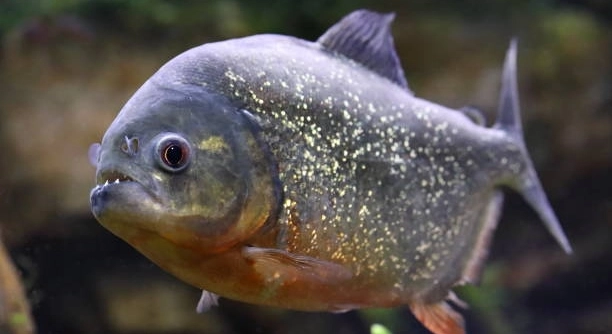
Many people find piranhas fascinating because of their sharp teeth and aggressive nature. These fish have unique behaviors that set them apart from other species. Understanding what scares piranhas helps explain how they survive in the wild.
Piranhas react fearfully to certain threats such as loud noises, sudden movements, bright lights, large predators, unfamiliar objects, strong smells, and changes in water conditions. These stimuli trigger defensive behaviors that are less common in other fish species.
Learning about what frightens piranhas can reveal interesting details about their instincts and environment. This knowledge helps us better appreciate these fish beyond their fearsome reputation.
Loud Noises and Sudden Movements
Piranhas are very sensitive to loud noises and sudden movements around their environment. When they hear a strong noise or see something move quickly, their instinct is to become defensive or even aggressive. This reaction helps protect them from potential predators or threats. Unlike many other fish that might simply swim away calmly, piranhas tend to react quickly and sometimes violently. Their natural habitat, often crowded with other animals and sounds, requires them to stay alert. Loud noises can come from boats, humans splashing, or even falling branches. Sudden movements, like a shadow passing over the water or quick changes in water flow, can startle them. This alertness is important for their survival because piranhas rely on fast reactions to avoid danger. Their nervous system is wired to respond sharply, which is one reason they often appear more aggressive than other fish in similar situations.
These quick responses help piranhas stay safe but can also make them unpredictable around people or other animals. Loud sounds and fast actions can disturb their natural behavior.
Understanding how sensitive piranhas are to noises and movement is useful if you are near their habitat. It explains why they may seem hostile when disturbed suddenly. Being calm and quiet around them reduces stress for both humans and fish. This behavior also shows how piranhas have adapted to their environment, making them distinct from other fish species that are less reactive to such stimuli.
Bright Lights and Large Predators
Bright lights can confuse and scare piranhas, disrupting their normal behavior.
Piranhas often live in darker waters or shaded areas where sudden brightness is unusual. When exposed to bright light, their vision can be overwhelmed, causing disorientation and fear. Large predators, such as caimans or birds, also scare piranhas because these animals pose a direct threat. Piranhas recognize the size and presence of these predators and respond by hiding or becoming aggressive to defend themselves. Unlike many peaceful fish, piranhas show clear signs of stress when large threats are nearby. This reaction is part of their survival strategy, helping them avoid being eaten. These responses to light and predators highlight how piranhas balance being hunters and prey in their aquatic environment.
Unfamiliar Objects and Strong Smells
Piranhas react cautiously to unfamiliar objects in their water. These objects might include fishing gear, plastic debris, or new plants. Because piranhas live in stable territories, anything new can be seen as a potential danger. This wariness helps protect their space and resources. Strong smells, like chemicals or decaying matter, also alarm piranhas. Their sensitive noses detect changes quickly, and unpleasant or unusual scents trigger avoidance. Other fish often ignore minor changes, but piranhas are more likely to swim away or act defensively. This cautious behavior is key for avoiding threats they cannot see but can smell. Piranhas’ ability to detect and respond to new smells and objects helps them survive in sometimes challenging conditions. It shows their strong instinct to protect themselves from unknown risks.
Changes in Water Conditions
Piranhas are very sensitive to sudden changes in water temperature or quality. They can become stressed or scared when conditions shift quickly.
Even small fluctuations in temperature can upset piranhas. They thrive best in stable environments where water temperature and pH stay consistent. Rapid changes can lower their immune response, making them vulnerable. Other fish might adapt more easily, but piranhas react quickly to these shifts. Poor water quality, like increased pollution or low oxygen, also causes them to hide or become aggressive. This sensitivity helps them avoid harmful environments but makes them more reactive than many other species.
When piranhas detect changes in water clarity, such as increased sediment or pollution, they become uneasy. These changes signal that something is wrong in their habitat. Their response is often to gather tightly and prepare to defend themselves. This behavior contrasts with other fish, which may simply swim away calmly. Understanding these reactions helps explain how fragile their ecosystem can be and why maintaining good water quality is vital for their health.
Large Groups or Shoals
Piranhas often stay in large groups to feel safer and more confident. This social behavior is stronger than in many other fish.
In groups, piranhas protect each other by watching for threats together. They are less likely to panic when surrounded by others. If one senses danger, the whole group reacts quickly. This coordination helps them scare off predators and defend their territory. Other fish might swim alone or in small groups, but piranhas rely heavily on large shoals for survival. This need to stay in groups also explains why they become more aggressive when separated. The presence of many piranhas provides safety, making it harder for predators to attack just one fish. This group behavior is a key part of their survival strategy.
Unfamiliar Vibrations
Piranhas are quick to notice vibrations in the water that seem unusual. These vibrations often signal nearby movement or threats.
Because their environment is full of natural vibrations, strange patterns immediately catch their attention. This sensitivity helps them detect predators early and react before danger arrives.
Presence of Humans
Humans often scare piranhas simply by being near their habitat. Movement, noise, and unfamiliar scents from people can stress them out.
Piranhas tend to avoid areas heavily trafficked by humans. Their natural caution makes them keep distance, unlike some fish that are more tolerant of human presence.
Chemical Changes in Water
Chemical changes, such as pollutants or added substances, disturb piranhas. These changes can interfere with their breathing and behavior.
Piranhas react by becoming more defensive or hiding. This sensitivity to chemicals highlights their reliance on clean water for survival and health.
What makes piranhas more easily scared than other fish?
Piranhas have very sharp instincts for danger because they live in environments full of predators and competition. Their senses are finely tuned to detect sudden changes like noise, movement, or vibrations. This heightened sensitivity makes them react more quickly and aggressively than many other fish. Unlike peaceful species that might swim away slowly or ignore disturbances, piranhas respond with defensive behaviors to protect themselves. Their survival depends on this quick reaction since their habitats are often crowded and risky.
How do loud noises affect piranhas compared to other fish?
Loud noises cause immediate stress in piranhas, often triggering defensive actions such as grouping tightly or attacking. Other fish might scatter quietly or swim away calmly, but piranhas see loud sounds as direct threats. This strong response comes from their need to protect themselves from predators or sudden danger. Loud noises can come from boats, human activity, or natural events. Piranhas’ nervous systems make them very alert, so these sounds interrupt their normal behavior and raise their stress levels quickly.
Why are sudden movements so alarming to piranhas?
Sudden movements create a sense of threat because piranhas rely heavily on visual cues to detect danger. A quick shadow, splash, or change in water flow signals a possible predator or competitor nearby. Piranhas react by becoming defensive or aggressive to keep threats away. Other fish may ignore quick movements or react less intensely, but piranhas have evolved to respond sharply. This reaction helps them survive but also makes them seem more aggressive than other species in similar situations.
What role do bright lights play in scaring piranhas?
Bright lights confuse piranhas because their eyes are adapted to dim or shaded waters. Sudden brightness overwhelms their vision, causing disorientation and fear. This can lead them to hide or become aggressive. Unlike fish that live in clear, sunny waters, piranhas are used to lower light levels, so bright flashes are unnatural and stressful. This reaction helps them avoid dangerous situations but also makes them sensitive to changes in light caused by humans or other animals.
How do large predators influence piranha behavior?
The presence of large predators like birds or caimans makes piranhas highly alert and defensive. They recognize these animals as threats and respond by hiding or forming tight groups for protection. Other fish might try to escape alone, but piranhas rely on group defense. Their aggressive behavior helps deter some predators, but they mostly try to avoid being caught. This constant threat shapes much of their behavior and explains why piranhas are so sensitive to disturbances near their habitat.
Why are piranhas wary of unfamiliar objects in the water?
Unfamiliar objects can signal danger or change in their environment. Piranhas tend to investigate cautiously or avoid new items like fishing gear or debris. Their territorial nature makes them protective of their space, so new objects disrupt their routine and cause stress. Other fish might be curious or indifferent, but piranhas react more strongly because unknown items can hide predators or traps. This cautiousness helps them survive but also makes them sensitive to human impact.
How do strong smells affect piranhas differently than other fish?
Piranhas have a strong sense of smell and use it to detect food and danger. Unusual or strong odors, like chemicals or decaying matter, can alarm them and cause avoidance behavior. Some fish may tolerate new smells or not notice them immediately, but piranhas respond quickly to protect themselves. Their sensitivity to smell helps them avoid polluted or dangerous waters, but it also means they react strongly to changes caused by environmental damage or human activity.
What happens when water conditions change suddenly for piranhas?
Sudden changes in temperature, pH, or oxygen levels stress piranhas and disrupt their behavior. They become defensive, hide, or try to move to better areas. Other fish might handle changes more calmly, but piranhas depend on stable conditions to stay healthy. Rapid shifts weaken their immune system and make them vulnerable to illness. This sensitivity is important for their survival but also means they are good indicators of water quality problems.
Why do piranhas prefer to stay in large groups?
Large groups give piranhas safety and confidence. When together, they watch for danger as a team and defend their territory more effectively. Being in a shoal reduces individual risk from predators. Unlike solitary fish, piranhas depend on numbers to protect themselves and hunt efficiently. Group living also reduces stress because the fish feel less vulnerable. This social behavior explains why piranhas become more aggressive when separated or isolated.
How do humans unintentionally scare piranhas?
Humans scare piranhas through noise, movement, and pollution. Boats, swimming, or fishing disturb their environment and trigger defensive reactions. Humans introduce unfamiliar smells and chemicals into the water, which can stress piranhas. Unlike some fish that tolerate human presence, piranhas are naturally cautious and try to avoid people. Understanding this helps explain why piranhas behave aggressively near populated areas or when their habitat is disrupted. Respecting their space can reduce conflict and protect their wellbeing.
What impact do chemical changes in water have on piranhas?
Chemicals such as pesticides, fertilizers, or waste harm piranhas by affecting their breathing and behavior. They become defensive or hide more often in polluted waters. Other fish might survive low levels of chemicals, but piranhas are more sensitive. Clean water is vital for their health, and chemical changes indicate environmental problems. This sensitivity makes piranhas good indicators of ecosystem health but also vulnerable to pollution caused by human activities.
Piranhas are often seen as fierce and dangerous fish, but understanding what scares them shows a different side. They have many natural fears that help keep them safe. Loud noises, sudden movements, and bright lights are all things that disturb piranhas more than other fish. These triggers cause strong reactions because piranhas need to protect themselves from threats in their environment. Their quick responses are not just about aggression but also about survival. This makes them more sensitive to changes around them, showing that they are complex creatures with strong instincts.
Another important point is that piranhas depend a lot on stable water conditions and social groups. Changes in temperature, water quality, or the presence of chemicals can stress them out. Unlike some fish that can adapt easily, piranhas react strongly to these shifts. Staying in large groups also helps them feel safer and more secure. This group behavior allows them to better defend against predators and environmental dangers. Their wariness of unfamiliar objects and strong smells is part of how they protect their territory. These natural behaviors highlight how piranhas have adapted to their habitats over time, making them very cautious but also resilient.
Learning about what scares piranhas helps us appreciate their role in the ecosystem more clearly. They are not just aggressive hunters but animals with clear survival strategies. Their fear responses help maintain balance in their environment by avoiding danger and protecting themselves and their groups. By understanding these behaviors, people can better respect piranhas’ needs and avoid disturbing them unnecessarily. This knowledge also reminds us how important it is to keep their habitats clean and stable. Healthy environments support piranhas’ well-being and allow them to continue playing their part in the aquatic world.

Hello,
If you enjoy the content that we create, please consider saying a "Thank You!" by leaving a tip.
Every little bit helps us continue crafting quality advice that supports the health, happiness, and well-being of pets around the world, for pets of all shapes, sizes, and species.
We really appreciate the kindness and support that you show us!