
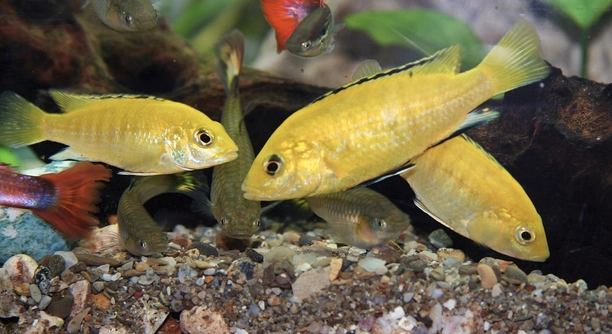
African cichlids are popular aquarium fish known for their vibrant colors and lively behavior. Keeping them healthy requires understanding their environment and what might stress them. Recognizing what scares these fish can improve their care and well-being.
African cichlids are frightened by sudden movements, loud noises, poor water quality, aggressive tank mates, inadequate hiding spots, improper lighting, and drastic changes in their environment. Each of these factors can cause stress, impacting their health and behavior negatively.
Knowing these fears helps create a safer and more comfortable habitat. This article explains the main threats and how to minimize them for happier, healthier cichlids.
Sudden Movements and Loud Noises
Sudden movements near the tank or loud noises can startle African cichlids. These fish are sensitive to changes in their surroundings, and abrupt actions often trigger their flight instincts. Even tapping on the glass can cause stress, leading to erratic swimming or hiding. When I first set up my cichlid tank, I noticed how quickly they reacted to loud sounds from the TV or sudden shadows. Over time, I learned to approach the tank calmly and keep noise levels low around the fish. This helped them feel more secure and less anxious. Maintaining a peaceful environment is essential for their well-being, as constant stress can weaken their immune systems and reduce their lifespan.
Keeping the area around the tank quiet and avoiding sudden hand movements can help prevent unnecessary fear. Consistency is key in minimizing their stress responses.
Reducing noise and avoiding quick movements creates a stable habitat where African cichlids can thrive. This simple step improves their overall health and encourages natural behavior. Observing calmer fish swimming confidently makes aquarium care much more rewarding.
Water Quality and Tank Conditions
Poor water quality is a major source of stress for African cichlids. Dirty or unbalanced water affects their breathing and weakens their immune system. Regular water testing and changes are necessary to keep the environment safe. I once experienced unexplained fish illness until I realized the water parameters were off. After correcting the pH and ammonia levels, the fish quickly recovered. Proper filtration and monitoring are essential to prevent harmful buildup of waste and toxins. Besides cleanliness, tank size and decorations matter. Overcrowding causes aggression, while a lack of hiding spots leaves fish exposed and nervous. Providing ample space and secure shelters helps reduce tension. Lighting should mimic natural conditions, not too bright or dim, to avoid disturbing their routines. Maintaining stable, clean water with suitable tank setups supports healthier, less fearful African cichlids.
Aggressive Tank Mates
African cichlids are territorial and can be aggressive toward other fish. Keeping incompatible species together increases stress and fights. I’ve seen tanks where cichlids constantly chase smaller or less aggressive fish, leading to injuries or death. Careful selection of tank mates is crucial to reduce aggression.
Choosing fish with similar temperament and size helps maintain peace. Avoid overcrowding, which intensifies territorial behavior and stress levels.
Providing enough space and hiding spots minimizes conflict. When aggression occurs, separating the fish or rearranging the tank layout can calm tensions and create a more balanced environment.
Inadequate Hiding Spots
Cichlids need hiding places to feel secure, especially during breeding or when stressed. Lack of shelters causes anxiety and constant exposure to threats. In my early experience, I underestimated the importance of caves and plants, which made the fish more nervous.
Adding rocks, caves, and dense plants creates safe zones where fish can retreat. This reduces stress and allows them to rest and recover. When the tank environment includes sufficient hiding places, fish display healthier, calmer behavior.
Hiding spots also help reduce aggression by giving subordinate fish a place to escape. Proper tank decoration is essential for the well-being and social balance of African cichlids. It supports natural behaviors and promotes a peaceful aquarium atmosphere.
Improper Lighting
African cichlids can become stressed if the lighting is too intense or too dim. Bright lights may make them feel exposed, while dim lighting can disrupt their natural activity patterns. I adjusted the lighting in my tank to a softer, balanced level, which helped them relax.
Using a timer to simulate natural day and night cycles supports their well-being and reduces fear.
Drastic Environmental Changes
Sudden changes in water temperature, pH, or tank setup disturb African cichlids and cause stress. These fish prefer stable conditions, so gradual adjustments are necessary. I learned that abrupt changes led to hiding and loss of appetite in my cichlids. Keeping the environment consistent helps them stay healthy and active.
Overcrowding
Too many fish in one tank increase competition for space and resources. Overcrowding leads to stress, aggression, and poor water quality. Maintaining an appropriate number of fish supports a calm and balanced tank environment.
Noise Vibrations
Constant vibrations or nearby construction noise can unsettle African cichlids. These fish are sensitive to vibrations that travel through the tank, causing discomfort. Reducing external disturbances creates a more peaceful home for them.
FAQ
What causes African cichlids to hide frequently?
African cichlids hide when they feel threatened or stressed. Common reasons include aggressive tank mates, poor water quality, or sudden changes in their environment. When I noticed my cichlids hiding often, I checked the tank conditions and found overcrowding was an issue. Providing hiding spots and reducing stress factors helps them feel safe and come out more.
How can I reduce aggression between African cichlids?
Aggression is often due to territorial behavior and overcrowding. To reduce fighting, keep the tank spacious and avoid mixing very different species. Adding plenty of hiding places also helps fish establish their own spaces. Rearranging tank decorations occasionally can break up territories and lower aggression.
Why is water quality so important for African cichlids?
Clean, stable water is essential because poor quality can cause stress and disease. Cichlids are sensitive to ammonia, nitrites, and pH swings. Regular testing, water changes, and proper filtration maintain a healthy environment. I once struggled with fish illness until I improved water quality, and the cichlids quickly recovered.
What lighting conditions suit African cichlids best?
Moderate lighting that mimics natural daylight works best. Too bright light can make them nervous, while too little light disrupts their activity. Using a timer to maintain a consistent light cycle helps keep their behavior normal and reduces stress.
How often should I change the water in my cichlid tank?
Changing 20-30% of the water weekly is a good rule. This keeps waste levels low and maintains chemical balance. I stick to this routine, and it has kept my fish healthy and active. Overdoing water changes can also shock the fish, so gradual changes are important.
Can loud noises affect African cichlids?
Yes, loud or sudden noises can startle and stress them. They sense vibrations through the tank, which may cause erratic swimming or hiding. Keeping the tank in a quiet area and avoiding banging on the glass helps maintain calm fish.
What are signs that my cichlids are stressed?
Signs include hiding, loss of appetite, erratic swimming, faded colors, and aggression. When I observed these behaviors, I reviewed tank conditions and corrected problems like water quality or overcrowding. Addressing stress early prevents health issues.
How do I choose compatible tank mates for African cichlids?
Select fish with similar size and temperament. Avoid small, slow, or very peaceful species that may be bullied. Research the specific needs of all fish before mixing them. Proper planning reduces conflicts and helps keep the tank peaceful.
Why do African cichlids need hiding places?
Hiding spots provide security and reduce stress during aggressive encounters or breeding. When my tank lacked enough shelters, the fish were often nervous. Adding caves and plants gave them places to rest and escape, improving their mood and health.
What temperature is ideal for African cichlids?
Most African cichlids thrive between 75°F and 82°F (24°C to 28°C). Keeping the temperature stable avoids stress. Sudden fluctuations can cause illness. I use a reliable heater and thermometer to maintain a steady environment.
How does overcrowding affect African cichlids?
Overcrowding increases stress, aggression, and worsens water quality. Too many fish compete for space and resources, leading to health problems. Providing enough room and proper filtration keeps the tank balanced and reduces fear and fighting.
Can I reduce stress by rearranging the tank?
Yes, changing the layout breaks up established territories and reduces aggression. It also creates new hiding places and interest for the fish. When I rearranged my tank, the cichlids explored more and fought less, showing calmer behavior.
What should I do if my cichlids show signs of illness?
First, test the water quality and correct any issues. Quarantine sick fish if possible. Maintain clean water and consider consulting a vet or specialist for proper treatment. Early action helps prevent spreading disease and improves recovery chances.
How important is diet for reducing stress?
A balanced diet supports the immune system and overall health. Poor nutrition weakens cichlids and makes them more sensitive to stress. I feed a variety of quality pellets, flakes, and occasional live foods to keep them strong and vibrant.
Are African cichlids sensitive to changes in their environment?
Yes, they prefer stable conditions. Sudden changes in water, lighting, or tank setup cause stress. I avoid making drastic adjustments and introduce changes slowly to help them adapt without fear.
This FAQ covers common concerns to help maintain a peaceful, healthy tank for African cichlids.
African cichlids are beautiful and fascinating fish that require careful attention to their needs. Understanding what scares them helps create a better environment where they can thrive. Many of their fears come from factors that cause stress, such as sudden movements, loud noises, poor water quality, aggressive tank mates, lack of hiding places, improper lighting, and big changes in their surroundings. By paying close attention to these elements, it is possible to reduce stress and improve the overall health of the fish. Taking time to observe their behavior and adjusting the tank conditions accordingly can make a big difference in how comfortable they feel.
Creating a stable and peaceful habitat is essential for African cichlids to show their natural colors and behaviors. It is important to keep the water clean and balanced, provide enough space, and select compatible tank mates. Adding plenty of hiding spots helps the fish feel secure and lowers aggression. Lighting should be soft and consistent, mimicking natural day and night cycles. Keeping the environment stable and avoiding sudden changes prevents unnecessary fear and stress. Small adjustments, like reducing loud noises or rearranging decorations, can also improve their comfort. These steps make it easier for the fish to live a longer, healthier life.
Care for African cichlids requires patience and attention to detail. Observing how they react to their surroundings gives clues about what might be causing them discomfort or fear. Regular maintenance of water quality, careful choice of tank mates, and providing a safe space support their well-being. Understanding their needs and fears creates a positive environment where these fish can flourish. Taking these actions benefits not only the fish but also the aquarium keeper by making the tank more enjoyable and peaceful to watch. In the end, a calm and healthy cichlid tank reflects the care and effort put into maintaining it.

Hello,
If you enjoy the content that we create, please consider saying a "Thank You!" by leaving a tip.
Every little bit helps us continue crafting quality advice that supports the health, happiness, and well-being of pets around the world, for pets of all shapes, sizes, and species.
We really appreciate the kindness and support that you show us!