
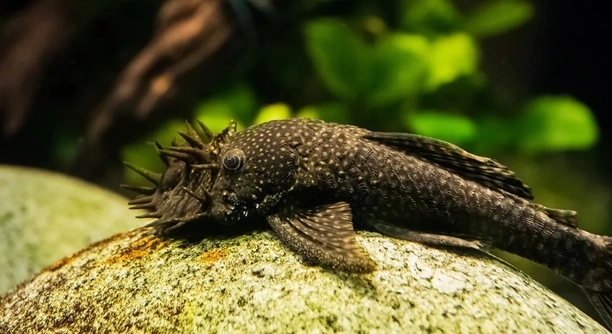
Plecostomus fish, also known as plecos, are often kept as peaceful aquarium companions. However, these fish can be sensitive to various factors in their environment. Understanding what scares them is crucial to their well-being.
Plecostomus fish can be easily frightened by sudden movements, loud noises, bright lights, unfamiliar objects, or poor water quality. Stress from these factors can cause them to hide, become inactive, or exhibit signs of illness.
By understanding these common stressors, you can create a more peaceful and stable environment for your plecos. Learning how to minimize these factors can lead to a happier, healthier fish.
Sudden Movements and Loud Noises
Plecostomus fish are naturally shy and prefer calm surroundings. Quick, unexpected movements in the aquarium or nearby can startle them. Sudden hand gestures, tapping on the glass, or even loud talking near the tank can cause distress. The noise from other animals or household activities also contributes to their unease.
These fish don’t respond well to changes in their environment. Stress caused by abrupt sounds or actions can force them to retreat to their hiding spots. Over time, this constant stress may even affect their health, making them more vulnerable to illness.
To avoid frightening your pleco, try to maintain a quiet and stable environment around their tank. Ensure that movements are slow and deliberate, and refrain from tapping or making loud noises. This approach will help your pleco feel safe and secure. A calm space will encourage them to come out more often and display natural behaviors.
Bright Lights and Unfamiliar Objects
Bright lights can cause stress in plecos, especially if they’re suddenly introduced to the tank. The intensity can be overwhelming for them, as plecos are generally accustomed to dimmer, filtered light in the wild.
To reduce the stress of bright lights, it’s helpful to use softer lighting or place aquarium plants and decorations that can provide some shade. Also, avoid turning the lights on and off frequently, as this can confuse and disorient them. Plecos feel more comfortable in an environment with stable lighting conditions.
When introducing new objects to the aquarium, such as decorations or equipment, do so slowly. Unfamiliar items may make your pleco feel threatened. Let them adjust at their own pace. If you notice they hide more often after an addition, consider removing the item temporarily until they become more accustomed to it.
Poor Water Quality
Plecostomus fish are sensitive to changes in water quality. Polluted water or sudden shifts in temperature, pH levels, or ammonia can cause significant stress. It’s crucial to monitor the tank regularly for these variables to ensure your pleco feels safe. Poor water conditions may make them hide or become less active.
A drop in water quality can affect your pleco’s health, leading to skin irritation, lethargy, or even death if not addressed promptly. It’s important to perform regular water changes and invest in a reliable filtration system. Keeping the water clean not only improves the fish’s health but also reduces stress.
Plecos are more likely to feel anxious when the water conditions aren’t ideal. Make sure the water temperature is stable, and check the levels of ammonia, nitrites, and nitrates. Regular testing and consistent care will create a healthier environment, allowing your pleco to thrive and feel more secure in its space.
Lack of Hiding Spaces
Plecos are bottom-dwelling fish that need places to hide and rest. A tank without sufficient hiding spots can cause stress as they don’t feel secure. Providing caves, rocks, or thick plants will give them the shelter they need to retreat to when they feel threatened.
Without hiding places, plecos may become anxious or more prone to stress. These fish are more active during the night, so they need a safe space to rest during the day. If the pleco feels constantly exposed, it may hide more often, affecting its overall behavior.
Adding decorations or plant life will not only create hiding spaces but also enhance the visual appeal of the tank. Plecos tend to appreciate a variety of textures and spaces where they can feel safe. This ensures they don’t become overly stressed, promoting healthier and more active behavior.
Overcrowding in the Tank
Too many fish in one tank can create stress for your pleco. Overcrowding leads to competition for space and food, which can make the pleco feel threatened. It’s important to avoid packing too many fish in a small area.
Plecos need space to move around and thrive. If they are confined in a crowded tank, they may become more withdrawn and anxious. A general guideline is to provide at least 20 gallons of water for each adult pleco, plus additional space for other fish. Ensuring proper tank size and balance keeps stress levels low.
Unstable Tank Conditions
Plecostomus fish are very sensitive to fluctuations in their tank environment. Any sudden changes in water temperature or filtration can be shocking to them. They thrive in stable conditions, where the temperature and water parameters are consistent.
By investing in quality equipment that maintains steady water conditions, you can avoid stressing your pleco. Keep the water temperature in a comfortable range, and make sure the filter works properly. A stable environment will allow the pleco to feel secure, reducing the risk of stress-related health issues.
Strong Tank Mates
Some fish can be overly aggressive toward plecos, leading to stress. Plecos are peaceful and shy, so they prefer to be housed with calm tank mates. Avoid keeping them with overly territorial or predatory species, as these can cause your pleco to feel threatened.
It’s best to select compatible tank mates that won’t chase or harass the pleco. Peaceful fish like tetras or guppies are ideal, as they won’t disrupt the pleco’s space. Keeping plecos with friendly tank mates helps maintain a calm atmosphere, reducing their stress and allowing them to thrive.
FAQ
How can I reduce stress for my pleco?
To reduce stress for your pleco, focus on maintaining a calm environment. This includes keeping the water clean, monitoring temperature levels, and avoiding sudden changes. Create hiding spaces with rocks or plants, and be mindful of your movements near the tank. Keep the aquarium free of loud noises and aggressive tank mates. All these steps help your pleco feel secure, leading to better health and behavior.
Can plecos live with other fish?
Yes, plecos can live with other fish, but it’s important to choose compatible tank mates. They do well with peaceful species like tetras, guppies, and other community fish. Avoid keeping them with aggressive or territorial species that might cause stress. Also, ensure the tank isn’t overcrowded to give everyone enough space.
What is the ideal water temperature for a pleco?
Plecos thrive in temperatures between 72°F and 78°F (22°C to 26°C). Keep the water temperature within this range to prevent stress. Extreme fluctuations in temperature can cause discomfort, leading to potential health problems. Use a reliable heater and thermometer to ensure the water stays consistent, especially during colder months.
Do plecos need light in their tank?
Plecos prefer dim lighting as they are nocturnal fish. Bright light can stress them out, especially if it’s too intense. Use low-light settings or provide shaded areas with plants or decorations. If you have a light, consider using it on a timer to simulate a natural day-night cycle for your pleco.
Why is my pleco hiding all the time?
If your pleco is hiding frequently, it could be due to stress, poor water quality, or inadequate tank conditions. Check the water parameters and make sure everything is in balance. If the tank is overcrowded or there’s a lot of activity, this could also contribute to hiding. Providing more hiding spaces and reducing stress factors will help.
How often should I change the water for my pleco?
Water changes for plecos should be done regularly to keep the tank clean and the water quality high. A 25% water change once a week is recommended. However, the frequency can vary depending on the tank size and filtration system. If the water becomes cloudy or smells, it’s a sign it’s time to change it sooner.
What do plecos eat?
Plecos are primarily algae eaters, but they also enjoy other foods. You can feed them algae wafers, blanched vegetables like zucchini or cucumber, and sometimes even small amounts of protein like shrimp. It’s essential to offer a variety of foods to meet all their nutritional needs. Avoid overfeeding, as uneaten food can pollute the water.
Can plecos live without a filter?
While plecos are hardy, they should not be kept in a tank without a filter. Filters help maintain water quality by removing debris and toxins. Without proper filtration, the water can become toxic, leading to stress or illness. Make sure your tank has a reliable filter to keep your pleco healthy.
How big do plecos get?
The size of a pleco depends on the species. Common plecos can grow up to 24 inches long, while smaller species, like the bristlenose pleco, stay around 4 to 6 inches. When choosing a pleco for your tank, make sure it’s large enough to accommodate their growth. This will prevent overcrowding and ensure their long-term health.
Are plecos aggressive?
Plecos are generally peaceful fish. They are bottom dwellers that mind their own business most of the time. However, they can become territorial with other bottom-dwelling fish. It’s best to avoid placing them with fish that compete for the same space or food. Overall, plecos are not aggressive but prefer a calm and quiet environment.
Why is my pleco turning pale?
Paleness in plecos can be a sign of stress, poor water quality, or illness. Check the water parameters immediately to ensure they are within the proper range. If the water quality is good, consider if other factors, such as changes in temperature or the presence of aggressive tank mates, could be contributing to the problem.
What should I do if my pleco has white spots?
White spots on a pleco usually indicate an infection, often caused by a parasite like Ich. This condition is highly contagious, so you should treat your tank immediately with the appropriate medication. Isolate the infected fish if possible and adjust the water temperature slightly to speed up the life cycle of the parasite.
How can I tell if my pleco is stressed?
Signs of stress in a pleco include hiding frequently, not eating, or swimming erratically. If your pleco is lethargic or seems overly shy, this may indicate they are stressed. Monitor the tank for any changes in water quality, and try to minimize sudden movements or loud noises that could be affecting the pleco.
Final Thoughts
Taking care of a plecostomus fish requires attention to detail and an understanding of its needs. These fish are peaceful, but they can be easily stressed by factors such as poor water quality, sudden movements, or aggressive tank mates. By creating a stable and calm environment, you can help your pleco feel safe and secure. Ensuring they have enough space, hiding spots, and proper water conditions will go a long way in promoting their health and well-being. Keeping the tank clean and providing a peaceful atmosphere are some of the simplest ways to reduce stress for your pleco.
It’s important to remember that plecos are not high-maintenance fish, but they do have specific needs that must be met to thrive. They require clean water, proper lighting, and space to move around freely. Stress can lead to health problems, so it’s essential to keep their environment as stable as possible. By sticking to a regular maintenance routine, such as water changes and checking water parameters, you can keep your pleco healthy and happy. The right tank mates are also essential—avoid overcrowding and ensure that other fish are calm and non-aggressive.
Overall, the key to keeping your plecostomus fish happy is providing them with the right environment and understanding their needs. Stress can be minimized with simple steps like offering plenty of hiding spots, maintaining a clean tank, and keeping noise and movement to a minimum. Plecos are great additions to many aquariums, and with the proper care, they can live long, healthy lives. If you notice any signs of stress or illness, be quick to address them to prevent further issues. Keeping an eye on your pleco’s behavior and environment will ensure they remain content and thrive in their tank.

Hello,
If you enjoy the content that we create, please consider saying a "Thank You!" by leaving a tip.
Every little bit helps us continue crafting quality advice that supports the health, happiness, and well-being of pets around the world, for pets of all shapes, sizes, and species.
We really appreciate the kindness and support that you show us!