
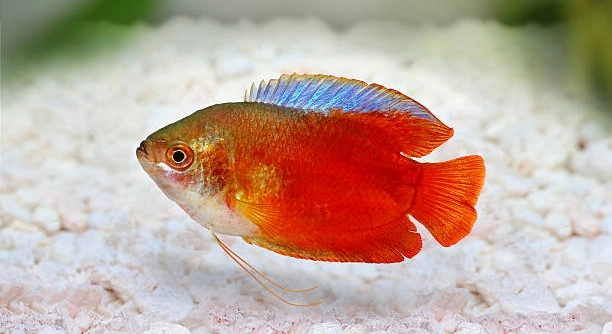
Gouramis are gentle and colorful fish that brighten up any aquarium. They have delicate personalities and can easily react to small changes in their environment, making them sometimes unpredictable and a little shy around sudden movements or noises.
Gouramis can be frightened by sudden movements, bright lights, loud noises, strong water currents, unfamiliar tank mates, changes in water quality, and reflections in the glass. Each of these factors triggers a stress response that is often unnecessary.
Knowing these triggers can help you create a calmer environment. Learning how to manage these small stressors will keep your gourami comfortable and confident in its tank.
Sudden Movements
Gouramis are naturally cautious and can easily be startled by quick movements near their tank. Even small gestures, like walking close to the glass or reaching for something above the aquarium, may cause them to dart or hide. These fish rely heavily on their sense of sight and are sensitive to sudden changes in their surroundings. It is common for a gourami to pause mid-swim, flaring its fins slightly, or retreat to a hiding spot when a shadow or hand appears unexpectedly. Over time, frequent disturbances can stress them, affecting their appetite and behavior. Observing from a calm distance and moving slowly around the tank helps the fish feel secure. Reducing abrupt activity near the aquarium allows them to explore naturally and encourages a more peaceful environment. Gentle, consistent care is key to making gouramis feel safe. Even minor daily routines can create a sense of stability they respond positively to.
Keeping your movements slow and steady near the tank can prevent unnecessary fear and promote calmer behavior in gouramis.
Small changes in approach can dramatically improve a gourami’s comfort. They respond best to consistency and a gentle presence in their environment.
Bright Lights
Bright lights can overwhelm gouramis, making them retreat or freeze in place. Strong lighting, especially from overhead sources or direct sunlight, may trigger stress. Gouramis are used to softer, shaded conditions in their natural habitats, where they can hide among plants or under cover. Exposing them to intense illumination for long periods can disrupt their natural behavior, causing them to remain in one area or seek shelter constantly. Adjusting the lighting gradually and providing shaded regions within the tank can help them feel more secure. Using floating plants or decorations offers relief from constant brightness, allowing gouramis to move freely without fear. The right balance of light encourages natural activity, healthy feeding, and vibrant coloration, while preventing unnecessary stress responses. Over time, these small adjustments improve their overall wellbeing. By observing their reactions to light and making changes carefully, you create an environment that respects their needs. Gouramis thrive when their tank feels safe, calm, and visually comfortable.
Bright lighting can make gouramis feel exposed, so adjusting intensity and providing shaded areas helps them relax and explore naturally.
Loud Noises
Gouramis are sensitive to loud sounds, which can make them jump or hide. Household noises like vacuuming, banging, or sudden music can startle them. Keeping the area around the tank quieter helps them stay calm.
Loud noises can trigger stress in gouramis because their sensory system is finely tuned. Even sounds outside the tank, such as a slamming door or a dropping object, can be perceived as a threat. Stress from repeated noise exposure may lead to reduced appetite, sluggish swimming, or hiding for long periods. Maintaining a stable, quiet environment allows them to behave naturally and reduces unnecessary fear. Creating a routine where noisy activities are minimized around the aquarium encourages a sense of security. Over time, calmer surroundings promote healthy growth and a more active, visible fish.
Consistent noise control around the tank is crucial for gouramis’ wellbeing. They respond positively to quiet spaces, which allows them to feed, explore, and swim without fear.
Strong Water Currents
Strong currents can overwhelm gouramis, making it difficult for them to swim comfortably. Gentle water movement is ideal, as high flow can tire them quickly. Floating plants or decorations can help break the current and provide resting spots.
Excessive water flow causes gouramis to struggle against the current, which can lead to stress and fatigue. They are not built for strong, constant water movement, unlike some other fish species. If the current is too powerful, gouramis may hide, cling to plants, or stay near the bottom of the tank to avoid swimming actively. Adjusting filters, pumps, or aeration devices to reduce flow allows them to move naturally, explore, and feed without stress. Providing areas with calmer water gives them control over where they swim, making the tank a more comfortable space. A balanced current encourages healthy behavior while preventing unnecessary anxiety in these delicate fish.
Unfamiliar Tank Mates
Gouramis can become stressed when introduced to new or aggressive fish. They may hide or avoid interaction until they feel safe in their environment. Observing behavior during introductions is important to prevent fear and conflict.
Keeping tank mates compatible and introducing new fish gradually helps gouramis adjust. Providing hiding spaces reduces tension and encourages natural social behavior.
Changes in Water Quality
Sudden changes in water temperature, pH, or ammonia levels can frighten gouramis. They are sensitive to water conditions and rely on stable parameters to stay healthy. Rapid shifts may trigger hiding, lethargy, or erratic swimming. Maintaining regular water testing and gradual adjustments ensures their environment remains safe.
Reflections in the Glass
Gouramis may perceive their reflection as another fish, causing stress or territorial behavior. Limiting direct light and providing plants can reduce reflections and make the tank feel safer.
How can I tell if my gourami is stressed?
A stressed gourami may hide more than usual, swim erratically, or stay near the bottom of the tank. Loss of appetite is another common sign. You may also notice clamped fins, dull coloration, or unusual aggression. Regular observation helps you catch these behaviors early and address any environmental issues.
What is the best way to reduce stress in gouramis?
Keeping a consistent routine is key. Avoid sudden movements near the tank and maintain stable water parameters, including temperature, pH, and cleanliness. Provide hiding spots with plants or decorations so the fish can retreat when needed. Reducing loud noises and controlling light intensity also helps. Gradual introductions of new tank mates are important. A calm environment allows gouramis to explore naturally and reduces unnecessary fear, encouraging healthy behavior and growth. Monitoring water quality and performing regular maintenance supports long-term wellbeing, keeping stress levels low.
How often should I check water parameters?
It is best to test water at least once a week. Parameters like ammonia, nitrite, nitrate, pH, and temperature should remain stable. Sudden changes can frighten gouramis and lead to illness. Small, frequent adjustments are safer than major corrections. Regular checks prevent unnoticed problems and help maintain a safe, comfortable environment.
Can gouramis get scared by reflections?
Yes, reflections in the glass can make gouramis believe there is another fish in their territory. This may cause stress, aggressive displays, or hiding. Using plants, decorations, or reducing light angles can minimize reflections. Observing the tank and adjusting setup helps the fish feel more secure.
Do gouramis react to human presence?
Gouramis are sensitive to movement near their tank. Quick gestures, shadows, or tapping can startle them. Moving slowly and calmly around the aquarium helps them remain relaxed. Over time, consistent, gentle observation allows the fish to feel comfortable with your presence without fear.
Will loud household noises affect my gourami?
Yes, loud noises like vacuuming, dropping objects, or banging can frighten gouramis. Continuous exposure may lead to hiding, loss of appetite, or fatigue. Minimizing noise near the tank and keeping the area quieter encourages natural activity and reduces stress levels.
How can I safely introduce new fish?
Introduce new fish gradually by using a quarantine or separate tank first. Monitor interactions and provide hiding places for your gourami. Avoid overcrowding and aggressive species that may cause fear. A careful introduction prevents stress and helps establish a peaceful environment.
What role do water currents play in gourami stress?
Strong currents can tire gouramis and make swimming difficult. They prefer gentle water movement. Adjusting filters, pumps, and adding floating plants or decorations can reduce flow. Calmer areas allow them to move freely and rest, improving overall comfort and reducing unnecessary stress.
Are sudden changes in lighting harmful?
Yes, bright or sudden lighting changes can frighten gouramis. They respond better to gradual adjustments and areas of shade. Floating plants or decorations can help diffuse light, making the tank feel safer. Consistent light cycles promote natural behavior and healthy activity.
How do I prevent stress from aggressive tank mates?
Choose compatible fish and avoid aggressive species. Provide enough space and hiding spots to allow your gourami to escape tension. Observing interactions and adjusting tank setup ensures peaceful coexistence, reducing fear and promoting a calm environment.
Gouramis are delicate and sensitive fish that can easily become frightened by changes in their environment. Small details, such as sudden movements, bright lights, or loud noises, may seem harmless to us but can cause unnecessary stress for them. Understanding these triggers is essential for anyone keeping gouramis, because even minor disturbances can affect their behavior and overall health. By paying attention to their responses, you can create a tank environment that feels safe and comfortable, helping them to swim, explore, and feed naturally. Observing your gouramis regularly allows you to notice when something is off, whether it is a sudden hiding habit or a drop in appetite, and make adjustments before the stress becomes serious. A stable, calm environment is the foundation for keeping gouramis happy and healthy over the long term.
Maintaining consistent water conditions is one of the most important factors in reducing stress. Gouramis are sensitive to sudden changes in temperature, pH, ammonia, and nitrate levels. Even small fluctuations can cause them to hide or behave erratically. Regular testing and gradual adjustments are necessary to prevent fear and discomfort. Strong water currents or a lack of hiding spots can make them feel exposed and exhausted, so it is helpful to provide gentle water flow and decorations that create safe spaces. Floating plants or small caves give gouramis control over where they go and allow them to retreat when they feel threatened. These measures help them feel secure and encourage normal behavior. Consistency in maintenance routines and environmental conditions directly supports the fish’s well-being and can reduce episodes of unnecessary fear.
Interactions with other fish and people also affect gouramis’ comfort. Introducing new tank mates gradually and choosing compatible species can prevent conflict and reduce anxiety. Gouramis may also respond to reflections in the glass, misidentifying them as other fish. Adjusting lighting and adding plants or decorations can minimize reflections and create a calmer setting. Gentle, slow movements near the tank allow them to observe without panic, and avoiding loud household noises will further support their sense of security. By considering all these factors—water quality, tank setup, lighting, companions, and daily routines—you can help your gouramis feel safe and stress-free. A mindful approach to care not only prevents unnecessary fear but also enhances their natural colors, activity levels, and overall health. Creating a peaceful, consistent environment ensures that your gouramis can thrive and enjoy their home without constant worry or fright.

Hello,
If you enjoy the content that we create, please consider saying a "Thank You!" by leaving a tip.
Every little bit helps us continue crafting quality advice that supports the health, happiness, and well-being of pets around the world, for pets of all shapes, sizes, and species.
We really appreciate the kindness and support that you show us!