
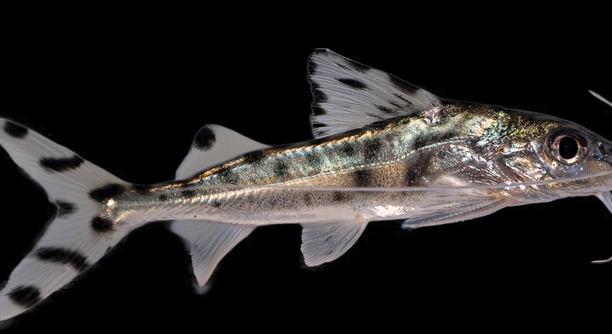
Do you care about keeping your Pictus catfish healthy and thriving in your aquarium? Maintaining good water quality is essential for their well-being. Many factors can quietly harm the water and affect your fish’s health.
Water quality for Pictus catfish can be ruined by poor filtration, overfeeding, overcrowding, decaying plants or food, improper pH levels, chemical contaminants, and lack of regular water changes. Each factor contributes to an unhealthy environment that stresses the fish.
Knowing these common issues will help you protect your Pictus catfish and maintain a balanced tank. The following details explain what to watch for and how to avoid problems early.
Poor Filtration Systems
A filtration system is crucial to maintaining clean water for your Pictus catfish. Without proper filtration, waste and debris build up quickly, leading to toxic ammonia and nitrite levels. These chemicals are harmful and can cause stress, illness, or even death in fish. Filters remove solid waste and promote beneficial bacteria growth that breaks down harmful substances. However, not all filters are equally effective. Choosing the right filter size and type for your tank is important. Regular maintenance, such as cleaning filter media and replacing parts when needed, helps keep the system working well. Neglecting filtration can turn a healthy tank into an unhealthy environment fast.
Regularly check your filter’s performance to avoid water quality problems.
A good filtration system balances mechanical, biological, and chemical filtration. Mechanical filtration traps solid particles, biological filtration encourages helpful bacteria to convert toxic substances into safer compounds, and chemical filtration removes dissolved impurities. Combining these methods ensures a stable and healthy tank environment for Pictus catfish. Proper filtration also reduces odors and keeps the water clear, making your aquarium more enjoyable to watch. Keeping the filter running continuously and checking it weekly helps catch issues early. Overall, effective filtration protects your fish from the dangers of poor water quality and supports their long-term health.
Overfeeding and Waste Accumulation
Overfeeding your Pictus catfish can quickly lead to water pollution. Uneaten food settles at the bottom, decomposing and releasing harmful chemicals into the water. These excess nutrients encourage algae growth, which further degrades water quality and reduces oxygen levels. Fish produce waste continuously, and when combined with leftover food, it overwhelms the tank’s filtration system. Feeding smaller amounts and removing uneaten food after a few minutes helps maintain cleaner water. This simple habit prevents the buildup of toxic substances that stress your fish and disrupt their environment.
Controlling feeding habits is one of the easiest ways to keep your tank healthy.
Fish eat less than many assume, and overfeeding is a common mistake that can harm your Pictus catfish. Feeding once or twice daily with small portions ensures food is consumed quickly and limits waste production. Using sinking pellets designed for bottom feeders helps reduce leftover food. Additionally, monitoring your fish’s behavior and adjusting feeding amounts based on activity levels helps prevent excess. Regular cleaning of the tank substrate removes decomposed material that can poison the water. Overall, careful feeding supports better water quality and a happier aquarium.
Overcrowding
Too many fish in one tank leads to overcrowding, which quickly lowers water quality. More fish means more waste and higher demand on the filtration system.
Overcrowding causes an imbalance in the aquarium’s ecosystem. The increased waste from numerous fish raises ammonia and nitrite levels, which are toxic to Pictus catfish. Oxygen levels may drop, making it hard for fish to breathe. Stress from limited space weakens their immune systems, increasing disease risk. Keeping a proper fish-to-water ratio helps maintain clean water and a healthy environment. It also allows each fish enough room to swim comfortably and reduces territorial aggression.
Overcrowding can lead to constant water quality problems, even with good filtration. Regularly check tank population and move excess fish to prevent stress and maintain balanced water parameters.
Decaying Plants and Uneaten Food
Dead or decaying plants in the tank contribute to water pollution. They release harmful substances as they break down, affecting water quality.
Leftover food not eaten by your Pictus catfish also rots at the bottom. This decay produces ammonia and nitrates, which can overwhelm your tank’s filtration system if not removed promptly. Both decaying plants and uneaten food encourage algae blooms that cloud water and reduce oxygen. Removing dead plant material and excess food during regular tank maintenance prevents these problems. Use a gravel vacuum to clean the substrate and keep water clear.
Proper tank cleaning and plant care help maintain stable water conditions. Regularly inspect plants and remove any that are wilting or decomposing. Doing this prevents toxic buildup and keeps your aquarium safe for your fish.
Improper pH Levels
Water that is too acidic or too alkaline harms Pictus catfish. Maintaining stable pH between 6.5 and 7.5 is important.
Fluctuations in pH cause stress and weaken fish immune systems. Regular testing and adjustments keep water safe and stable.
Chemical Contaminants
Chemicals from cleaning agents, pesticides, or untreated tap water can poison your tank. Always use water conditioners and avoid introducing harmful substances to protect your fish.
Lack of Regular Water Changes
Skipping or delaying water changes causes harmful toxins to build up. Regular partial water changes remove waste and maintain healthy water conditions for your Pictus catfish.
FAQ
What is the best filtration system for Pictus catfish?
A filter that offers mechanical, biological, and chemical filtration works best. Canister filters and hang-on-back filters are popular choices because they provide strong water flow and efficient waste removal. Make sure the filter fits your tank size and clean it regularly to maintain performance.
How often should I feed my Pictus catfish?
Feeding once or twice a day with small portions is ideal. Avoid overfeeding, as uneaten food pollutes the water. Use sinking pellets designed for bottom feeders and remove leftover food after a few minutes to keep the tank clean.
How many Pictus catfish can I keep in my tank?
A general rule is one inch of fish per gallon of water. Since Pictus catfish can grow up to 5 inches, plan accordingly. Avoid overcrowding to reduce waste buildup and stress.
How do I maintain stable pH in my aquarium?
Test water regularly using a pH kit. Use buffers or additives to adjust pH if it strays outside the ideal range of 6.5 to 7.5. Avoid sudden pH changes, as they stress your fish.
What causes cloudy water in my tank?
Cloudy water usually results from excess waste, uneaten food, or bacterial blooms. Overfeeding and insufficient filtration often cause this problem. Regular water changes and cleaning help keep water clear.
How often should I change the water?
Partial water changes of about 20-30% every one to two weeks help remove toxins and maintain water quality. Avoid changing too much at once to prevent stressing the fish.
Can live plants improve water quality?
Yes, healthy live plants absorb nitrates and provide oxygen. However, decaying plants harm water quality, so remove dead leaves promptly and choose plants suited for your tank conditions.
What signs show poor water quality?
Signs include lethargy, loss of appetite, rapid gill movement, gasping at the surface, and unusual swimming behavior. Test water parameters if you notice these symptoms.
How can I prevent algae growth?
Limit excess nutrients by controlling feeding and removing waste. Regulate light exposure to avoid too much direct or prolonged lighting. Algae eaters, like snails or certain fish, can also help control algae naturally.
Is it safe to use tap water without treatment?
No, tap water often contains chlorine, chloramine, or heavy metals harmful to fish. Use water conditioners to neutralize these chemicals before adding water to your tank.
These answers cover common concerns about water quality and care for Pictus catfish. Following these guidelines supports a healthier environment and helps your fish thrive.
Final thoughts on maintaining water quality for Pictus catfish focus on understanding the importance of a clean and stable environment. Water quality directly affects the health and lifespan of your fish. Poor water conditions can cause stress, illness, and even death. Keeping the tank clean and balanced requires attention to several factors, including filtration, feeding habits, and regular maintenance. Being consistent with care helps prevent many common problems and ensures your Pictus catfish live comfortably.
Proper filtration is the foundation of a healthy aquarium. It removes waste and harmful chemicals from the water, keeping it clear and safe. Choosing the right filter for your tank size and type is important. Filters need regular cleaning to work efficiently. Overfeeding and overcrowding create too much waste for the filter to handle. Monitoring how much you feed and how many fish you keep prevents excessive pollution. Regular water changes also remove toxins and refresh the tank environment, supporting the filter’s work.
Other elements like stable pH levels and avoiding chemical contaminants also play a role in water quality. Sudden changes in water chemistry can stress fish and reduce their resistance to disease. Avoid using untreated tap water, and always use water conditioners. Removing dead plants and uneaten food prevents decay that pollutes the water. Keeping these factors in mind helps maintain a healthy habitat for your Pictus catfish. Consistent care and attention to water quality will contribute to the well-being and happiness of your fish over time.

Hello,
If you enjoy the content that we create, please consider saying a "Thank You!" by leaving a tip.
Every little bit helps us continue crafting quality advice that supports the health, happiness, and well-being of pets around the world, for pets of all shapes, sizes, and species.
We really appreciate the kindness and support that you show us!