
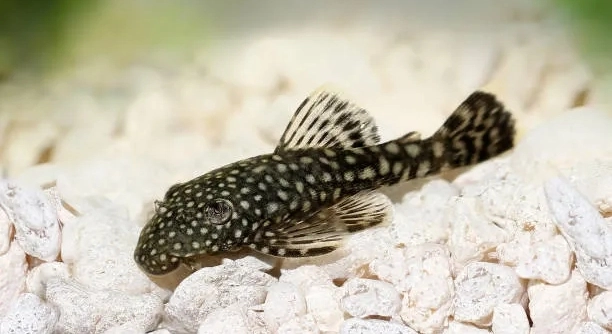
New plecos can experience stress from various factors that affect their well-being. Understanding these causes can help you provide a better environment for them to thrive. Learning what stresses them out is key to their care.
Plecos are sensitive to changes in water conditions, tank mates, and feeding routines. Stress can arise from fluctuating temperatures, poor water quality, or a lack of hiding places. Ensuring a stable, clean environment helps minimize stress and supports their health.
Addressing these stressors can prevent health issues and improve your pleco’s quality of life. Keep reading to find out how to create a stress-free environment for your new aquatic companion.
Water Quality Issues
Water quality is one of the most common stressors for plecos. They require clean, stable water to stay healthy. If the water conditions are poor, it can lead to various health problems such as skin lesions, respiratory issues, or even death. Plecos are particularly sensitive to ammonia, nitrites, and nitrates, all of which can build up in an aquarium without proper filtration. Regular water changes, proper filtration, and maintaining balanced pH levels can prevent these issues.
Plecos also need to be in water with the right temperature range. Fluctuations or extremes in water temperature can stress them out. Keep your aquarium between 75°F and 80°F for optimal health.
To ensure good water quality, you should regularly test the water and change 25% to 30% every two weeks. This will help remove toxins and replenish minerals that are essential for your pleco’s health. Adding live plants can also help maintain water quality by absorbing excess nutrients.
Tank Mates
Tank mates play a major role in the well-being of a pleco. Some species are aggressive and territorial, which can create a stressful environment for your pleco. When selecting companions for your pleco, it is important to consider their behavior and size. Fish that are too aggressive or small enough to become prey can make your pleco anxious. Larger, peaceful species are generally the best match.
Introducing new fish to the tank can also disrupt the pleco’s comfort. It’s essential to monitor interactions carefully, especially in the early stages. If the tank mates show signs of aggression, consider separating them or adding more hiding places.
Give your pleco enough space to establish its territory and retreat when needed. Stress from bullying or overcrowding can significantly impact its health.
Overfeeding
Overfeeding is another common stressor for plecos. They often eat too much, which can affect their digestive health and water quality. Leftover food decomposes, leading to ammonia buildup in the tank, creating an unhealthy environment. Overfeeding also puts a strain on the pleco’s digestive system, leading to bloating and possible constipation.
It’s important to feed your pleco small portions of food that they can finish within a few minutes. If you notice uneaten food in the tank after 10 minutes, it’s best to remove it. Plecos are bottom feeders and can survive on algae and other natural food sources in the tank, so try not to overdo it with supplementary feeding.
A good feeding routine helps your pleco stay healthy and avoids unnecessary stress. Once a day is generally sufficient for most plecos, and you can vary the diet with occasional treats, such as sinking pellets or fresh vegetables like zucchini or cucumber.
Poor Hiding Places
Plecos need plenty of hiding spaces to feel secure. Without enough caves, plants, or other shelters, they may become stressed. Stress from feeling exposed can lead to health issues and behavior changes, such as hiding all the time or becoming aggressive. Adding caves or driftwood can create a more comfortable environment for your pleco.
Plecos are nocturnal, so they need places where they can rest during the day without being disturbed. Without hiding spots, they may feel vulnerable and exhibit signs of stress. The right amount of hiding spaces can also help them feel in control of their environment.
Create a diverse aquascape with caves, rocks, and plants to ensure your pleco has multiple options. The more natural and varied the hiding places, the less likely it is to experience stress or anxiety in its tank.
Sudden Water Temperature Changes
Sudden changes in water temperature can cause significant stress to plecos. They thrive in stable conditions and don’t handle temperature swings well. A rapid increase or decrease can weaken their immune system, making them more susceptible to illness.
To prevent stress, keep the water temperature steady. Use an aquarium heater with a thermometer to monitor and adjust the temperature as needed. Avoid placing your aquarium near windows or air conditioning units, as these areas can cause the water to fluctuate quickly.
Plecos are sensitive creatures, so even small temperature changes can have a big impact on their overall health.
Poor Tank Maintenance
Maintaining a clean tank is essential for the health of your pleco. Dirty tanks lead to poor water quality, which stresses out plecos and other fish. Regular cleaning, such as removing waste and vacuuming the substrate, helps ensure a healthy environment.
Clean tanks also prevent the buildup of harmful bacteria and parasites, which can harm your pleco. Check the filtration system regularly to ensure it’s working properly. Regular maintenance can reduce the risk of diseases and promote a better overall atmosphere for your pleco to thrive.
Stress from Bright Lighting
Bright lighting can be a major stressor for plecos. These fish prefer low light conditions, as they are nocturnal by nature. Intense or constant lighting can disrupt their natural behavior, making them feel exposed and anxious.
If you use lighting in the tank, make sure it mimics their natural environment with low intensity. Providing areas of shadow or dim light will allow them to retreat and feel safe.
FAQ
What are the signs that my pleco is stressed?
Plecos display several signs of stress. If your pleco is hiding more than usual, swimming erratically, or showing a lack of appetite, these could be indicators of stress. You may also notice changes in their behavior, such as becoming more aggressive or lethargic. In some cases, stress can cause physical signs like pale skin or damaged fins.
Stress can lead to health issues over time, so it’s important to address the causes as soon as you notice these symptoms. Check the water quality, temperature, and other tank conditions to make sure everything is stable.
How often should I feed my pleco?
Plecos are bottom feeders, and their diet mostly consists of algae. It’s best to feed them once a day. Offering small portions of food that they can finish in 5-10 minutes is ideal. Overfeeding can cause water quality issues and lead to stress, so avoid leaving excess food in the tank.
Occasionally, you can supplement their diet with sinking pellets, vegetables like zucchini, or algae wafers. The key is balance and consistency. Overfeeding will not only cause stress but also harm their health in the long run.
Can plecos live with other fish?
Yes, plecos can live with other fish, but it depends on the species of both the pleco and its tank mates. Some plecos are peaceful and will get along with other community fish, while others may be territorial. It’s important to select tank mates that are large enough to avoid becoming stressed or intimidated by the pleco.
Be sure to consider the size and temperament of other fish before adding them to the tank. Avoid keeping plecos with overly aggressive fish, as this can create unnecessary stress. Also, ensure the tank has enough space for all inhabitants to avoid overcrowding.
How can I tell if my pleco is unhealthy?
An unhealthy pleco may show a variety of symptoms. These include a loss of appetite, abnormal swimming behavior, or visible lesions and damage to their skin or fins. If your pleco’s color appears pale or its body becomes bloated, these are signs that it may be sick.
Check the water parameters to rule out any environmental factors. Often, poor water quality or stress can weaken the pleco’s immune system, making it more susceptible to disease. If symptoms persist, it’s best to consult an aquarium professional for advice.
How do I prevent my pleco from getting stressed?
The best way to prevent stress is to maintain a stable and clean environment. Regularly check the water quality, including ammonia, nitrites, and pH levels, and change the water as needed. Ensure that your pleco has adequate hiding spots and a consistent temperature range between 75°F and 80°F.
Also, avoid overfeeding and ensure that the pleco is not being harassed by other tank mates. Provide a varied diet that includes algae, sinking pellets, and occasional fresh vegetables. A peaceful, well-maintained environment will significantly reduce stress levels.
Can plecos tolerate cold water?
Plecos are tropical fish, and they do not tolerate cold water well. Temperatures below 70°F can cause them stress and lead to health problems. A stable water temperature between 75°F and 80°F is ideal for most plecos.
If you live in a cooler climate, consider using an aquarium heater to maintain a steady temperature. This helps prevent sudden drops in temperature, which can stress the fish. Always check the water temperature regularly with a thermometer to avoid fluctuations.
What size tank does my pleco need?
The size of the tank depends on the type of pleco you have. Generally, plecos need a tank with at least 20 gallons of water. Larger species may require even more space to grow comfortably.
Providing ample space is crucial for reducing stress. Plecos are territorial and need room to move around and explore. A bigger tank with plenty of hiding places also reduces the chance of aggression from other fish. Be sure to research the specific needs of the pleco species you own.
What are the best tank mates for plecos?
Plecos generally do well with peaceful fish that are not overly aggressive. Suitable tank mates include species like tetras, guppies, and peaceful cichlids. Avoid keeping plecos with fish that are aggressive or have sharp fins, as this can lead to stress and territorial disputes.
Make sure to choose tank mates of similar size and temperament to your pleco. Fish that are too small may be seen as food, while overly dominant fish can stress out your pleco. Providing enough hiding spots and space will help maintain harmony in the tank.
How can I tell if my pleco is too hot or too cold?
If your pleco is too hot or too cold, it may show signs of stress. In temperatures that are too high, plecos may become lethargic or swim erratically. If the water is too cold, they might hide more frequently or exhibit slow movements.
You can prevent temperature stress by using a heater in the tank to maintain a stable range of 75°F to 80°F. Regularly check the temperature with a thermometer to ensure it stays consistent. Sudden temperature changes should be avoided at all costs to keep your pleco comfortable.
What do I do if my pleco is hiding all the time?
If your pleco is hiding more than usual, it could be a sign of stress, illness, or uncomfortable water conditions. First, check the water quality, including ammonia, nitrate, and nitrite levels. Make sure the temperature is stable and the tank is properly filtered.
Plecos are nocturnal, so it’s normal for them to be less active during the day. However, excessive hiding could indicate that they are feeling stressed due to poor water quality, tank mates, or a lack of hiding spots. Ensure your pleco has enough space and hiding areas to feel safe.
Final Thoughts
Caring for a pleco can be a rewarding experience, but it requires attention to detail and an understanding of their needs. These fish thrive in stable environments with clean water, proper temperature, and a balanced diet. They are generally peaceful but can become stressed if their tank conditions aren’t ideal. Ensuring that the water quality is consistently monitored, that they have space to hide and explore, and that their diet is varied will help keep them healthy and happy.
Plecos can be sensitive to environmental changes, so small shifts in water temperature or poor water conditions can lead to stress. Being mindful of these factors, as well as their natural behaviors, can go a long way in ensuring they thrive. Regular maintenance, such as water changes and checking the filtration system, is necessary to maintain a stress-free environment. It’s also important to avoid overcrowding the tank and to choose compatible tank mates that won’t cause stress or harm.
Understanding the signs of stress or illness in your pleco is essential. If you notice changes in behavior, appearance, or eating habits, it’s important to take action quickly to identify and address the cause. Keeping your pleco in a calm, clean, and well-maintained tank is key to ensuring they live a long, healthy life. With the right care, plecos can be a peaceful and beautiful addition to your aquarium.

Hello,
If you enjoy the content that we create, please consider saying a "Thank You!" by leaving a tip.
Every little bit helps us continue crafting quality advice that supports the health, happiness, and well-being of pets around the world, for pets of all shapes, sizes, and species.
We really appreciate the kindness and support that you show us!