
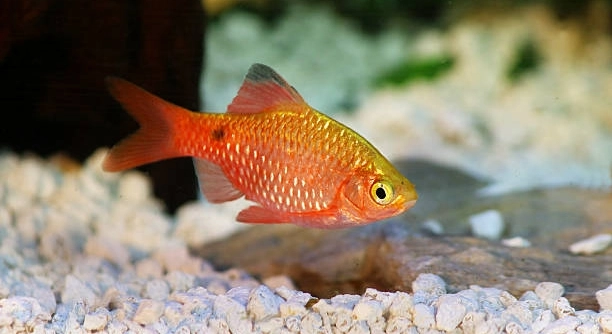
Do your Rosy Barbs suddenly dart around the tank or hide for long periods, leaving you puzzled about their behavior?
Rosy Barbs may become frightened due to sudden water changes, aggressive tankmates, excessive noise, bright lighting, or sudden movements around their environment. These factors can trigger stress responses and negatively impact their overall health.
From unexpected tank mates to environmental shifts, understanding these stressors can help you create a safer, calmer space for your fish.
Sudden Water Changes
Rosy Barbs are sensitive to sudden changes in their environment, especially water conditions. If the temperature, pH, or hardness shifts too quickly, it can cause immediate stress. These fish are naturally hardy, but they still rely on stable water parameters to feel safe. Rapid changes can shock their system, leading to erratic swimming, hiding, or refusing food. Even if the water looks clean, if it’s different from what they’re used to, it can cause discomfort. Always match the new water to the tank’s existing conditions as closely as possible. Use test kits regularly to monitor parameters. If you’re doing a water change, try replacing small amounts gradually over time rather than all at once. This slow adjustment helps Rosy Barbs remain calm and less anxious.
Sudden changes make Rosy Barbs feel unsafe. A calm and steady environment is important if you want them to stay active and relaxed.
Gradual changes are key. If you’re topping off or replacing water, always pre-condition it. Match the temperature and test the pH before adding it. Keeping a water log can also help you track shifts that might go unnoticed. Consistency in water quality is one of the best ways to avoid unnecessary stress.
Aggressive Tankmates
Rosy Barbs are active but peaceful fish that don’t do well with aggressive species.
Keeping them with larger or nippy fish can lead to stress and injury. Rosy Barbs do best in groups of their own kind or with other peaceful fish that won’t chase or harass them. Aggressive tankmates may bite their fins, disturb their swimming patterns, or force them to hide constantly. This kind of interaction can affect their feeding habits and even lower their immune system over time. If your Rosy Barb is hiding more often, refusing food, or showing signs of torn fins, the cause could be its tankmate. Always research fish compatibility before adding new species to your aquarium. Stick to fish that match your Rosy Barb’s energy and temperament. Good companions include other barbs, danios, or peaceful bottom-dwellers like corydoras. Keep in mind that even some semi-aggressive fish can be too much, especially in small tanks with limited space.
Excessive Noise
Loud noises around the tank can scare Rosy Barbs easily. Sudden sounds, constant vibrations, or loud music near their space may cause them to dart, hide, or act skittish. Their hearing is sensitive, and they can pick up low-frequency sounds and vibrations.
Keeping the tank in a quiet, low-traffic area helps reduce stress caused by noise. Avoid placing the aquarium near speakers, TVs, or doors that open and shut often. Even footsteps or dropped items nearby can trigger a reaction. Rosy Barbs may appear jumpy or hide behind plants when overwhelmed. If you notice this behavior after a loud event, it’s a clear sign they were affected. Soundproofing the tank stand or using a soft mat under it can help dampen vibrations. It’s also a good idea to limit how often you tap the glass, even if just for fun or attention.
Consistent exposure to noise can affect their behavior long-term. They may stop interacting, eat less, or show signs of stress over time. Creating a calm space not only helps their mood but supports their health. You don’t need total silence, but avoiding loud, sudden sounds makes a big difference. Pay attention to their reactions when your space gets loud—they’ll show you what’s too much.
Bright Lighting
Bright lights can make Rosy Barbs feel exposed. In the wild, they swim in shaded waters. Intense overhead lighting without plants or hiding spots can stress them. You may see them hovering in corners or dashing around when lights come on.
If your tank light is too strong, try using floating plants or dimmer settings. Give them places to retreat, like caves, dense plants, or decor that breaks the light. Rosy Barbs need a regular light cycle, but it should mimic dawn and dusk when possible. Avoid turning lights on suddenly in a dark room—it can startle them. Instead, allow natural light or room lighting to come on first. Even small changes in lighting behavior can tell you how comfortable they are. If they scatter when lights switch on or constantly stay low in the tank, that’s usually a sign the lighting is too harsh or poorly timed.
Sudden Movements
Quick hand motions near the tank or sudden body movements can startle Rosy Barbs. They may dart across the tank or hide behind decorations when they feel threatened. Their reaction is fast and sharp, showing how alert and sensitive they really are.
Avoid waving near the tank or cleaning in a rushed way. Move gently when feeding or doing maintenance. Even walking by too quickly can set them off if they’re already feeling nervous. Give them time to adjust when you’re nearby.
Overcrowded Tank
Too many fish in one tank leads to stress. Rosy Barbs need space to swim freely, and cramped conditions cause tension. Overcrowding increases waste, reduces oxygen, and creates competition for food. These fish are active swimmers and get anxious when they don’t have enough room. Stress from overcrowding often shows through aggression, hiding, or poor eating habits. It’s important to provide at least 20 gallons for a small group and ensure proper filtration. Watching how they interact can tell you if they’re comfortable or overwhelmed. A well-balanced tank setup helps them stay calm and healthy, especially when space and group size are managed properly.
Strong Water Flow
Rosy Barbs enjoy movement in the water but not a constant strong current. If the filter creates a flow that’s too strong, they may struggle to swim and choose to hide instead.
What should I do if my Rosy Barb is constantly hiding?
If your Rosy Barb hides a lot, it’s a sign they are stressed or scared. Check for sudden changes in water quality or temperature. Make sure tankmates aren’t aggressive or bothering them. Also, review your lighting—bright or harsh lights can push them into hiding. Adding plants or decorations can give them safe places to rest without feeling exposed. Keep the tank environment calm, avoid loud noises, and limit quick movements nearby. Sometimes shy fish need time to adjust to new tanks or changes, so patience is important.
How can I tell if my Rosy Barb is stressed?
Stress in Rosy Barbs shows through unusual behavior like darting quickly, hiding for long periods, loss of appetite, or faded color. You might notice torn fins if other fish are bothering them. Stress often comes from poor water quality, aggressive tankmates, or uncomfortable lighting. Watching their swimming patterns helps—if they suddenly freeze or seem lethargic, it’s a warning sign. Regular water tests and monitoring tank conditions help catch issues before stress becomes serious.
Can Rosy Barbs live with other fish?
Yes, but choose tankmates carefully. Rosy Barbs do best with peaceful, active fish that won’t nip fins or compete aggressively. Avoid very aggressive or territorial species. Ideal companions include other barbs, danios, and peaceful bottom-dwellers like corydoras. Keep them in groups of at least six to help reduce stress and encourage natural schooling behavior. A well-planned community tank creates a healthy environment where Rosy Barbs feel secure and social.
How often should I change the water in my Rosy Barb tank?
Regular water changes are essential to keep your fish healthy. Aim to change 20-30% of the tank water every week. This helps remove waste and keeps water parameters stable. Use a water conditioner to treat tap water and match the temperature before adding it to the tank. Avoid changing too much water at once, as this can shock your fish. Keeping a consistent schedule reduces stress and keeps the environment clean.
What is the best temperature for Rosy Barbs?
Rosy Barbs thrive in temperatures between 74°F and 78°F (23°C to 26°C). Keeping the water within this range helps maintain their metabolism and immune system. Sudden shifts outside this range can cause stress or illness. Use a reliable aquarium heater and thermometer to monitor temperature daily, especially if your home’s climate changes seasonally.
Why is my Rosy Barb’s color fading?
Fading color is often a sign of stress, poor diet, or illness. Stress can come from bad water quality, aggressive tankmates, or unsuitable lighting. Ensure you’re feeding a balanced diet rich in nutrients that enhance color, like high-quality flakes, pellets, and occasional live or frozen foods. If water conditions are good and diet is proper, but color still fades, watch for signs of disease and consider consulting a vet or experienced aquarist.
How can I reduce aggression in a Rosy Barb tank?
Aggression often comes from overcrowding, lack of hiding spots, or incompatible fish. Keep a proper group size of at least six Rosy Barbs to spread out aggression. Provide plenty of plants and decorations to break sightlines and give fish places to escape. Avoid mixing them with very aggressive or territorial species. Maintaining good water quality also reduces stress, which lowers aggressive behavior.
What should I do if my Rosy Barb stops eating?
Loss of appetite usually signals stress, illness, or poor water conditions. Test your water for ammonia, nitrites, and nitrates, and check the temperature. Observe if there are aggressive tankmates bothering your fish. Offer a variety of fresh foods like flakes, pellets, or live foods to entice eating. Avoid overfeeding or sudden diet changes. If appetite loss continues for more than a few days, it may be necessary to isolate the fish and consult a specialist.
Can lighting affect Rosy Barb health?
Yes, improper lighting can cause stress and impact behavior. Too much bright light without places to hide makes Rosy Barbs feel exposed and unsafe. Too little light affects their ability to find food and maintain natural rhythms. Using a timer to create a consistent light-dark cycle helps mimic natural conditions. Adding plants or shaded areas balances the light and helps reduce stress.
How do I know if my tank is overcrowded?
Signs of overcrowding include fish chasing or biting each other, constant hiding, and poor water quality even with regular maintenance. Rosy Barbs need space to swim in groups of six or more, so a tank smaller than 20 gallons for a group can be too tight. Watch fish behavior closely—if they seem nervous or aggressive, your tank may be overstocked. Increasing tank size or reducing fish numbers will help restore balance.
Taking care of Rosy Barbs means paying close attention to their environment and behavior. These fish are sensitive to changes around them, and small things can easily scare them. Water quality is one of the most important factors to watch. Keeping the water clean and stable helps reduce stress and keeps your fish healthy. Sudden changes in temperature or water chemistry can upset Rosy Barbs, so gradual adjustments are better. Using test kits regularly and changing part of the water each week helps maintain a good environment. A calm and steady tank gives your fish the best chance to thrive.
Besides water conditions, what’s around the tank matters a lot. Loud noises, bright lights, and fast movements can frighten Rosy Barbs. They respond best to gentle care and a peaceful space. Providing hiding spots like plants and decorations helps them feel safe. If your fish hide often or act jumpy, it’s a sign they may be stressed. Watching how they behave can tell you a lot about their comfort level. A quiet spot for the tank away from noise and traffic will help keep them calm. Lighting should be soft and mimic natural daylight as much as possible to avoid scaring them.
Choosing the right tankmates and giving enough space is also key. Rosy Barbs do better in groups and with peaceful companions. Overcrowding or aggressive fish can cause stress and injury. A bigger tank with plenty of room to swim reduces tension among fish. It’s important to plan carefully and keep an eye on how your Rosy Barbs interact with others. With attention to these details, you create a healthy and calm home for your fish. When Rosy Barbs feel safe and comfortable, they show their beautiful colors and lively behavior, making the tank more enjoyable to watch.

Hello,
If you enjoy the content that we create, please consider saying a "Thank You!" by leaving a tip.
Every little bit helps us continue crafting quality advice that supports the health, happiness, and well-being of pets around the world, for pets of all shapes, sizes, and species.
We really appreciate the kindness and support that you show us!