
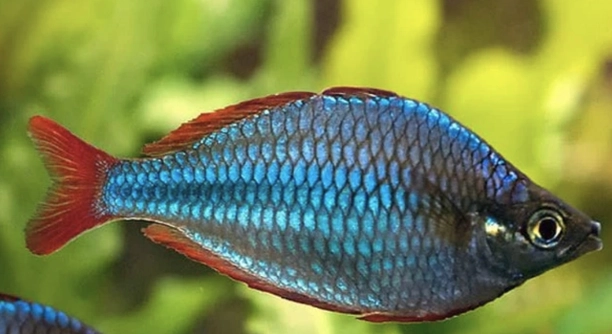
Rainbow fish are known for their colorful and vibrant appearance. However, there are various factors in their environment that can cause them stress or discomfort. Knowing what might scare your rainbow fish can help keep them happy and healthy.
Several things can cause distress to rainbow fish, including sudden changes in water temperature, aggressive tank mates, loud noises, and improper lighting. These factors can affect their well-being and overall behavior, making it essential to maintain a stable and peaceful environment.
By understanding these triggers, you can create a safe and comfortable space for your rainbow fish, ensuring they thrive in their aquatic home.
Sudden Changes in Water Temperature
Rainbow fish are sensitive to fluctuations in water temperature. If the temperature drops or rises too quickly, it can cause stress. These fish are accustomed to stable conditions and changes can disrupt their natural behavior, making them more vulnerable to illness. Maintaining a consistent water temperature between 75°F to 80°F is crucial for their health.
Ensuring your aquarium has a reliable heater can help regulate the temperature, especially during colder months. It’s also a good idea to use a thermometer to monitor the water and make adjustments when necessary.
If you notice your rainbow fish acting lethargic or hiding more than usual, it might be an indication of temperature stress. Consistent, gradual adjustments are key to keeping your fish comfortable. Keeping the water temperature steady can prevent sudden changes from becoming a serious problem for your fish.
Aggressive Tank Mates
Aggressive fish can be a major source of stress for rainbow fish. They are peaceful by nature and prefer a calm, non-competitive environment. If housed with overly aggressive species, they may become stressed or even injured. It’s best to keep them with other peaceful, non-territorial species to ensure their comfort.
Aggressive tank mates can cause your rainbow fish to hide, lose their appetite, or become sick. Choosing the right companions can make all the difference in keeping your fish stress-free.
Loud Noises and Vibrations
Rainbow fish can become stressed by loud noises or vibrations around their tank. This can come from nearby machinery, loud conversations, or even heavy foot traffic. Continuous noise can lead to anxiety and prevent them from feeling secure in their environment.
Their natural instinct is to hide when startled, so even subtle vibrations can make them feel unsafe. Try to place the tank in a quieter area away from high-traffic zones, and avoid tapping on the glass. Creating a calm environment will help your rainbow fish stay relaxed and healthy.
In addition to sound, sudden movements around the tank can startle them. Keeping the area around the aquarium peaceful and avoiding loud sounds will reduce their stress and prevent unwanted reactions. If you notice behavior changes, reducing noise levels may help restore their calm.
Improper Lighting
Inconsistent or harsh lighting can make rainbow fish uneasy. They rely on a balance of light and dark cycles to feel secure and comfortable. Too much bright light can stress them out, leading to erratic behavior.
Ensure your tank has proper lighting that mimics their natural environment. Use timers to control the light cycle, providing them with a 12-hour day and night pattern. Overexposure to light can disrupt their rest, making them more susceptible to stress or illness. Proper lighting creates a sense of stability, reducing anxiety for your fish.
Also, consider the type of light you use. Avoid overly intense or flickering lights, as they can irritate rainbow fish. Instead, opt for soft, natural lighting that promotes a calm atmosphere. Keeping the light stable and gentle will help maintain a peaceful tank environment.
Overcrowded Tank
An overcrowded tank can cause rainbow fish significant stress. They need ample space to swim freely, and having too many fish in a small space can lead to competition for food, territory, and oxygen.
Keeping the tank well-maintained with enough room for each fish helps maintain their well-being. Overcrowding can also result in poor water quality, further contributing to stress.
Ensure you follow the recommended guidelines for stocking your aquarium. A crowded tank may cause fights and prevent rainbow fish from thriving, leading to unhealthy or overly aggressive behavior. Keeping a balanced fish-to-space ratio is essential for a peaceful environment.
Poor Water Quality
Water quality is crucial for the health of rainbow fish. Ammonia, nitrates, and nitrites can build up in the tank if not regularly maintained, causing harmful effects on their health.
Regular water changes and good filtration are key to keeping the water safe. Always test the water for proper levels of pH, hardness, and other important factors. Rainbow fish are sensitive to poor water conditions, and maintaining clean water is essential for their overall health and comfort. Regular monitoring ensures the fish remain in a stable environment.
Stress from Sharp Objects
Sharp objects in the tank can cause injury and stress to rainbow fish. Decorations with rough edges or pointed structures might cause physical harm to your fish, leading to cuts or scrapes.
Avoid sharp objects or decorations that can potentially harm your fish. Instead, choose smooth, rounded aquarium décor to prevent accidental injuries. By ensuring the tank environment is safe and secure, you reduce the risk of harm and keep your fish stress-free.
FAQ
What should I do if my rainbow fish is hiding a lot?
If your rainbow fish is hiding, it could be a sign of stress or discomfort. This behavior often occurs due to poor water quality, inappropriate tank mates, or environmental factors such as lighting or temperature changes. Start by checking the water parameters—ensure the pH, temperature, and nitrate levels are within the proper range. Also, examine the other fish in the tank for aggression. If necessary, move any aggressive tank mates or reduce the stress-inducing elements around the tank.
How can I tell if my rainbow fish is stressed?
Stressed rainbow fish often exhibit behaviors like erratic swimming, hiding, loss of appetite, or unusual color fading. They may swim frantically or near the surface, avoiding interaction with other fish. Stressed fish are also more vulnerable to diseases, so it’s essential to act quickly if you notice these signs. Ensure stable water conditions, proper tank mates, and a peaceful environment to reduce their stress levels.
Is it normal for rainbow fish to be territorial?
Rainbow fish are generally peaceful but can become territorial if they feel threatened, especially in smaller tanks. If they feel crowded or if other fish invade their personal space, they may act aggressively. To prevent this, make sure your tank is large enough for all the fish to establish their own territories and avoid overcrowding. You can also provide plenty of hiding spots to reduce territorial conflicts.
How often should I change the water in my rainbow fish tank?
Regular water changes are essential for maintaining a healthy tank. For a rainbow fish tank, aim for a 25-30% water change every two weeks. If you have a heavily stocked tank or a smaller tank, you may need to change the water more frequently. Regular water changes help remove toxins and prevent the buildup of ammonia, nitrites, and nitrates, ensuring a stable and healthy environment for your fish.
Can rainbow fish live with other species?
Rainbow fish can coexist peacefully with many other species, particularly those that are also peaceful and non-territorial. Species like tetras, corydoras, and small gouramis can make excellent tank mates. Avoid pairing them with aggressive or fin-nipping species, as these can stress your rainbow fish. Always research the temperament and size of any new tank mates before introducing them to ensure compatibility.
Why is my rainbow fish losing its color?
Rainbow fish can lose their vibrant colors due to stress, poor water quality, or illness. When stressed, their colors may fade as a response to environmental factors like changes in temperature, lighting, or water quality. Ensure the water parameters are correct, provide a peaceful environment, and monitor the fish for any signs of disease. If the color loss continues, consider consulting a vet or aquarium expert.
Do rainbow fish need a filter?
Yes, rainbow fish need clean, oxygen-rich water, and a filter is crucial in maintaining water quality. A proper filter helps remove waste, excess food, and toxins that build up over time. Choose a filter suited to the size of your tank, ensuring it provides gentle water movement as rainbow fish prefer calmer waters. Regularly clean the filter to ensure optimal performance.
Can I feed rainbow fish frozen food?
Yes, rainbow fish can eat frozen foods like brine shrimp, daphnia, and bloodworms. Offering a variety of frozen foods, alongside high-quality dry flakes or pellets, can provide a balanced diet and keep your fish healthy. Make sure to thaw the frozen food before feeding to prevent any digestive issues. However, it’s important to not overfeed them, as this can lead to water quality problems.
How do I know if my rainbow fish is sick?
Common signs of illness in rainbow fish include a lack of appetite, unusual swimming behavior, faded colors, clamped fins, or visible lesions. If you notice any of these symptoms, it’s crucial to isolate the sick fish and monitor them closely. Make sure the water conditions are optimal, as poor water quality can often be the cause of illness. If symptoms persist, consider consulting an aquarium expert or veterinarian.
What temperature is best for rainbow fish?
Rainbow fish thrive in water temperatures between 75°F and 80°F (24°C-27°C). Keep the tank within this range to ensure they stay healthy and active. Rapid temperature fluctuations can cause stress, so invest in a reliable aquarium heater and thermometer to maintain a stable environment. Regularly check the water temperature to prevent any sudden changes.
Final Thoughts
Rainbow fish are beautiful, active, and peaceful additions to any aquarium, but they do require attention to thrive. Ensuring their tank environment is stable and stress-free is key to keeping them happy and healthy. Factors like water quality, tank mates, and a consistent light and temperature cycle all play a crucial role in their well-being. If you notice any signs of stress or illness, it’s important to act quickly, as their condition can worsen without prompt care. Keeping their environment peaceful will help them feel secure and thrive.
One of the main things to remember is that rainbow fish, like many aquarium species, need enough space to move freely. Overcrowding or inadequate tank size can lead to stress and even aggression, so it’s essential to follow stocking guidelines. Additionally, regular maintenance, including water changes and proper filtration, ensures the water stays clean and oxygenated, reducing the risk of health problems. Don’t forget to check the water quality regularly for the correct balance of pH, ammonia, and nitrates to prevent any harmful build-up.
Lastly, while rainbow fish are generally easy to care for, they do best in a well-maintained and stable tank. Providing them with a proper diet, tank mates that suit their peaceful nature, and a calm, quiet environment will go a long way in ensuring their happiness. By keeping their surroundings stress-free and meeting their basic care needs, you’ll have a beautiful, vibrant tank filled with healthy, active rainbow fish.

Hello,
If you enjoy the content that we create, please consider saying a "Thank You!" by leaving a tip.
Every little bit helps us continue crafting quality advice that supports the health, happiness, and well-being of pets around the world, for pets of all shapes, sizes, and species.
We really appreciate the kindness and support that you show us!