
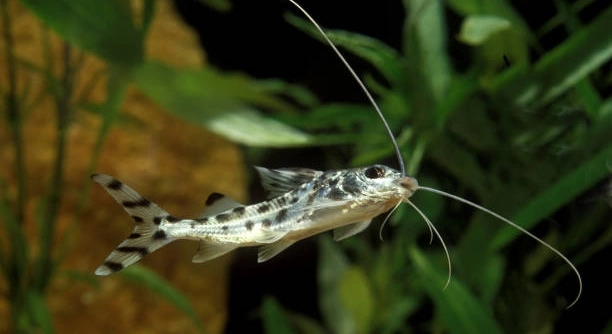
Pictus catfish are popular aquarium fish known for their peaceful nature. However, they can sometimes show signs of aggression or fight with one another. Understanding the causes of their conflicts can help maintain a calm tank environment.
Pictus catfish may fight due to overcrowding, limited hiding spaces, territorial disputes, competition for food, stress from poor water quality, incompatible tank mates, or sudden changes in their environment. These factors can increase aggression and disrupt their social balance.
Knowing these common causes will help you create a better habitat for your catfish. This insight can improve their wellbeing and reduce unwanted conflicts in your aquarium.
Overcrowding and Limited Space
When pictus catfish are kept in a tank that is too small or overcrowded, they tend to become stressed and territorial. These fish need enough room to swim freely and find their own space. Without adequate space, they may compete aggressively for territory, leading to frequent fights. Hiding spots are also crucial since pictus catfish are naturally shy and need places to retreat when feeling threatened. If the tank lacks enough shelters or decorations, the fish may feel exposed and more prone to aggression. Ensuring each catfish has its own area reduces stress and helps maintain peace among them.
Overcrowding increases stress and competition, which are common triggers for fights in pictus catfish. Providing enough space helps reduce these issues.
Keeping your tank well-decorated with caves, plants, and rocks will give your catfish enough hiding places. This not only decreases their stress but also allows them to feel secure and avoid confrontations. A spacious and thoughtfully arranged tank is key to minimizing conflicts and encouraging peaceful coexistence.
Competition for Food
Pictus catfish can become aggressive during feeding times if there is not enough food or if feeding is uneven. When food is scarce, they compete aggressively, leading to fighting and stress. This behavior is common in many fish species, including pictus catfish, because feeding is a critical activity for survival. Feeding small amounts multiple times a day rather than one large meal helps reduce competition. Also, spreading food across the tank ensures all fish get a fair chance to eat. Proper feeding routines can improve their behavior and reduce aggressive tendencies during mealtime.
Territorial Behavior
Pictus catfish naturally defend their preferred areas in the tank, especially as they mature. Territorial disputes often cause fights when boundaries are unclear.
These fish mark specific spots as their own, such as near hiding places or favored swimming areas. If the tank is small or lacks enough shelters, multiple catfish may claim the same territory. This overlap triggers aggressive displays like chasing and nipping. Providing enough space and distinct territories reduces these conflicts. Fish with established personal zones feel more secure and less likely to fight.
Separating the tank with plants or decorations can help define territories clearly. Observing your catfish’s behavior can guide how you arrange the tank to minimize boundary disputes and create a calmer environment.
Poor Water Quality
Stress from poor water quality often increases aggression in pictus catfish. Dirty or unbalanced water conditions can make them irritable and more likely to fight.
Regular water testing and maintenance are essential to keep ammonia, nitrite, and nitrate levels safe. Changing water frequently reduces toxins and helps maintain stable parameters. Poor water quality affects fish health, lowering their resistance to stress and increasing aggressive behavior. Clean water supports overall wellbeing and peaceful interactions among catfish.
Proper filtration, regular water changes, and avoiding overfeeding contribute to good water quality. When the environment is healthy, pictus catfish are calmer and less prone to fighting, promoting harmony in your tank.
Incompatible Tank Mates
Some fish species are naturally more aggressive or territorial than pictus catfish. Mixing incompatible species can lead to fights and stress.
Choosing peaceful tank mates that share similar temperaments helps maintain harmony. Avoiding overly aggressive or large fish reduces conflict risks.
Sudden Environmental Changes
Changes like moving the tank, altering water temperature, or rearranging decorations can unsettle pictus catfish. These sudden changes increase stress and aggression.
Catfish react best to stable environments where conditions stay consistent. Gradual adjustments help them adapt without fighting or stress.
Lack of Hiding Spots
Pictus catfish need plenty of places to hide and feel secure. Without enough shelters, they become stressed and more likely to fight.
Adding caves, plants, and other decorations creates safe spaces that reduce aggression and promote calm behavior.
FAQ
Why do pictus catfish suddenly start fighting?
Pictus catfish may suddenly become aggressive due to changes in their environment, such as a new tank setup, introduction of new fish, or fluctuations in water quality. Stress caused by overcrowding or lack of hiding spots can also trigger sudden fights. Ensuring stable conditions and adequate space helps prevent these outbreaks of aggression.
How can I tell if my pictus catfish are stressed?
Signs of stress in pictus catfish include hiding more than usual, loss of appetite, erratic swimming, and increased aggression toward tank mates. Cloudy eyes or faded coloration can also indicate poor health linked to stress. Regularly monitoring their behavior and water quality can help catch problems early.
Is it normal for pictus catfish to fight occasionally?
Mild displays of aggression, like chasing or brief nipping, can be normal as pictus catfish establish their social hierarchy. However, constant or severe fighting is a sign of an underlying issue such as overcrowding or stress. Addressing tank conditions usually reduces aggressive behavior.
What tank size is ideal to prevent fighting?
A minimum tank size of 55 gallons is recommended for a small group of pictus catfish to provide enough space for swimming and territory. Larger tanks allow better distribution of hiding spots and reduce competition, which helps keep aggression low.
Can feeding habits affect fighting behavior?
Yes, uneven feeding or not enough food can cause pictus catfish to compete aggressively. Feeding small amounts multiple times a day and spreading food across the tank ensures all fish get their share and reduces competition.
How often should I change the water to keep pictus catfish calm?
Changing 20-25% of the tank water weekly helps maintain good water quality and reduces stress. Frequent partial water changes remove toxins and keep ammonia and nitrite at safe levels, supporting peaceful behavior.
What types of tank mates work best with pictus catfish?
Peaceful, similarly sized fish that occupy different tank levels work best with pictus catfish. Avoid aggressive or very large fish, which can provoke stress or fights. Examples include small tetras, danios, and peaceful bottom dwellers.
Can rearranging the tank decorations help reduce fights?
Yes, rearranging decorations can break established territories and reduce aggression. Adding more hiding spots and creating separate zones helps pictus catfish feel secure and less likely to fight.
How do I treat injuries from fighting?
Remove injured fish to a separate hospital tank to prevent further harm and allow healing. Use aquarium salt or recommended medications to prevent infections. Maintain clean water and monitor closely until recovery.
Is breeding behavior related to fighting?
During breeding, male pictus catfish may become territorial and aggressive toward others. This is temporary and usually subsides after spawning. Providing extra hiding places can help reduce tension during this time.
Final Thoughts
Pictus catfish are generally peaceful fish, but they can show aggression under certain conditions. Understanding the main reasons why they might fight is important for anyone who keeps them in an aquarium. Overcrowding, lack of hiding spots, competition for food, and poor water quality are common causes of stress and aggression. Making sure the tank environment meets their needs helps reduce conflicts and keeps the fish healthy. Paying attention to their behavior and tank setup will prevent many common problems.
Creating a balanced environment is key to peaceful pictus catfish. This includes providing enough space, stable water conditions, and plenty of hiding places. Tank mates should be chosen carefully to avoid additional stress or territorial disputes. Feeding routines also matter; offering small, even meals helps prevent competition. When these factors are well managed, pictus catfish are less likely to fight and more likely to live comfortably together.
Keeping pictus catfish calm requires consistent care and observation. Changes to their environment should be made gradually to avoid sudden stress. If fights do happen, addressing the root cause quickly is important to prevent injury or ongoing tension. With proper care, pictus catfish can thrive peacefully, adding beauty and activity to your aquarium. Understanding their behavior and needs creates a better experience for both the fish and the keeper.

Hello,
If you enjoy the content that we create, please consider saying a "Thank You!" by leaving a tip.
Every little bit helps us continue crafting quality advice that supports the health, happiness, and well-being of pets around the world, for pets of all shapes, sizes, and species.
We really appreciate the kindness and support that you show us!