
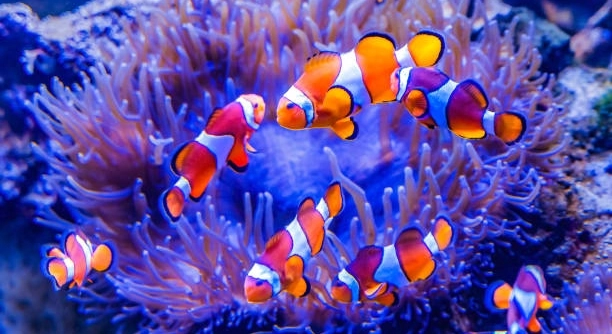
Clownfish are popular pets for many aquarium lovers. They are colorful and active, but sometimes they act differently. Understanding what might scare your clownfish helps keep them healthy and happy in your tank.
Several factors can frighten clownfish, including sudden changes in water quality, aggressive tank mates, loud noises, poor lighting, overcrowding, lack of hiding spaces, and improper feeding schedules. Each of these can cause stress and impact their well-being.
Learning about these common stressors will help you create a safer environment for your clownfish and enjoy their natural behaviors more fully.
Sudden Changes in Water Quality
Clownfish are very sensitive to their environment. When water quality changes quickly, it can frighten them. This includes sudden shifts in temperature, pH levels, or salinity. These changes can happen if the tank isn’t properly maintained or if new water is added too fast. Even small variations can make clownfish feel unsafe. They rely on stable conditions to stay calm and healthy. When the water is unstable, their immune system can weaken, making them more vulnerable to illness. Regular water testing and slow adjustments help keep the water balanced. This gives clownfish a consistent and comfortable home. Avoid rushing water changes or adding too many new fish at once. Stability in the tank helps clownfish behave normally and reduces stress.
Keeping water stable is key to your clownfish’s comfort and well-being. Consistent care makes a big difference in their behavior.
Maintaining good water quality involves frequent testing for ammonia, nitrites, and nitrates, plus monitoring temperature and pH. Use a reliable filtration system and change only about 10-15% of the water weekly. Always add new water slowly to avoid shocking your fish. Stable water conditions prevent stress and encourage your clownfish to thrive, showing vibrant colors and active swimming.
Aggressive Tank Mates
Clownfish can get scared by aggressive fish in the same tank.
Aggressive tank mates can harm clownfish physically or cause constant stress. Fish like large angelfish or triggerfish may chase or nip at clownfish. This makes the clownfish hide or stay still, which is not healthy long term. If the clownfish feels unsafe, it may lose appetite or develop diseases. It is important to choose peaceful fish species that coexist well with clownfish. Some good companions are gobies or small peaceful damselfish. Always research fish compatibility before adding new ones. You can also provide plenty of hiding spots to help clownfish feel secure. Keeping a calm and friendly community in the tank lets clownfish live comfortably and show natural behavior. This reduces fear and improves their overall health.
Loud Noises and Vibrations
Loud noises and vibrations can startle clownfish, making them anxious. They are sensitive to sudden sounds and movements outside the tank.
Unexpected banging, tapping, or loud voices near the aquarium create stress. Clownfish may swim erratically or hide when disturbed. Continuous noise disrupts their natural rhythm and rest, which can lead to health problems. Keeping the tank in a quiet, low-traffic area reduces stress. Avoid tapping on the glass or placing the tank near loud appliances. A calm environment helps clownfish stay relaxed and active.
Vibrations from nearby machines, such as washing machines or speakers, can also upset clownfish. These vibrations travel through the tank and feel threatening. It’s best to place the aquarium on a stable surface away from heavy equipment. Minimizing noise and vibrations helps maintain a peaceful habitat for clownfish.
Lack of Hiding Spaces
Clownfish need places to hide to feel safe and secure.
Without adequate hiding spots, clownfish can become stressed and shy. They naturally seek shelter among rocks or anemones. When hiding spaces are missing, they feel exposed to threats. Providing coral decorations, caves, or plants offers them shelter. These safe zones reduce fear and allow clownfish to rest. It’s important to arrange the tank so they can easily retreat when needed.
Creating multiple hiding areas mimics their natural reef environment. It encourages natural behavior like exploring and resting safely. This lowers stress levels and supports healthy social interaction among tank mates. Hiding spaces also protect clownfish during feeding or aggressive moments. A well-structured tank keeps clownfish calm and confident every day.
Poor Lighting Conditions
Clownfish are used to a balanced light cycle in their natural habitat. Too much or too little light can cause stress.
Bright lights can overwhelm them, while dim lighting may make them feel insecure. Proper lighting helps regulate their behavior and mood.
Overcrowding in the Tank
Overcrowding increases competition for food and space. It causes constant stress and aggression among fish. Clownfish may hide more or become aggressive themselves. Ensuring enough space for all tank inhabitants is crucial. A spacious tank supports healthy social interactions and reduces fear.
Improper Feeding Schedules
Feeding clownfish irregularly or too much can scare them. They may become anxious waiting for food or suffer from poor health due to overeating. Keeping a consistent feeding routine with the right portions promotes calm behavior and good health.
FAQ
Why does my clownfish hide all the time?
Clownfish hide when they feel scared or stressed. This can happen because of poor water quality, aggressive tank mates, or lack of hiding spots. If your clownfish hides constantly, check the tank conditions and make sure there are enough safe places for it to retreat. Reducing stressors will help your clownfish feel more comfortable and come out more often.
How can I tell if my clownfish is stressed?
Signs of stress in clownfish include hiding, loss of color, rapid breathing, and reduced appetite. They may also swim erratically or stay still at the bottom of the tank. Watching their behavior closely helps spot stress early. Fixing water quality issues, providing a peaceful environment, and feeding properly usually improves their condition.
Is my tank size affecting my clownfish’s behavior?
Yes, tank size matters a lot. Overcrowded or small tanks limit space for swimming and hiding, causing stress and fear. A minimum of 20 gallons is recommended for one clownfish, with more space needed if you have other fish. A spacious tank reduces competition and helps clownfish stay calm and active.
What are good tank mates for clownfish?
Peaceful fish like gobies, blennies, and certain damselfish make good tank mates. Avoid aggressive or large fish that might chase or nip at your clownfish. Researching fish compatibility before adding new species helps prevent stress and injuries. Keeping calm companions helps clownfish feel safe and lowers fear.
How often should I test my aquarium water?
Testing water at least once a week is ideal. Regular checks for ammonia, nitrites, nitrates, pH, and temperature keep conditions stable. Sudden changes can scare clownfish and weaken their immune system. Consistent monitoring allows quick fixes before problems grow.
Can loud noises really harm my clownfish?
While clownfish don’t hear like humans, loud noises and vibrations affect them through the water. Sudden bangs or constant loud sounds cause stress and erratic swimming. Keeping the tank in a quiet area away from heavy machines reduces this risk.
Why do clownfish lose color when stressed?
Stress lowers a clownfish’s immune response and energy. This can cause colors to fade or become dull. When the environment improves, such as better water quality and less aggression, their vibrant colors usually return. Keeping stress low is key to healthy, bright clownfish.
What kind of hiding spots should I provide?
Natural-looking caves, coral decorations, and anemones are good options. Clownfish feel safest when they can quickly hide. Providing several places around the tank lets them choose where to feel secure. These spots reduce fear and encourage natural behavior.
How important is feeding schedule for clownfish?
Very important. Feeding at the same times daily reduces anxiety and keeps clownfish healthy. Overfeeding causes water problems and health issues. Underfeeding makes them weak and stressed. Small, regular meals with balanced food help clownfish stay calm and energetic.
Can sudden water changes scare clownfish?
Yes, sudden changes in temperature, pH, or salinity shock clownfish and cause stress. Always adjust water slowly and test before adding it to the tank. Gradual changes help clownfish adapt without fear.
What should I do if my clownfish is bullied by other fish?
Remove aggressive fish or separate them with tank dividers. Ensure plenty of hiding places for the clownfish. Bullying causes long-term stress, illness, or injury. Keeping a peaceful community is essential for clownfish well-being.
Are clownfish scared of reflections?
Sometimes, yes. Reflections on tank glass can confuse or scare clownfish because they see their image as a rival. Reducing bright lights or changing tank placement can minimize reflections. Covering part of the tank’s outside may also help.
How do I reduce stress in my clownfish?
Keep water stable, provide hiding spots, avoid aggressive fish, feed regularly, and place the tank in a quiet spot. These steps create a calm environment where clownfish feel safe and comfortable.
Can stress cause diseases in clownfish?
Yes. Stress weakens their immune system, making them more vulnerable to infections like ich or fin rot. Preventing stress through proper care helps avoid illness and keeps clownfish healthy.
What is the best way to introduce new fish to a clownfish tank?
Introduce new fish slowly and carefully. Quarantine new arrivals for at least two weeks. Add them when the tank is calm and provide enough space to avoid competition. This reduces stress and aggression for all fish.
How long does it take for a clownfish to adjust to a new tank?
Adjustment time varies but usually takes a few days to a couple of weeks. Providing stable conditions, hiding spots, and calm tank mates helps speed up the process. Patience is key during this period.
Clownfish are small but sensitive creatures that need a peaceful and stable environment to thrive. Many factors can cause them stress or fear, such as sudden changes in water quality, loud noises, or aggressive tank mates. Paying close attention to these details is important if you want your clownfish to stay healthy and happy. A calm and balanced tank will help your clownfish show their natural behavior, swim actively, and keep their bright colors. Taking simple steps like regular water testing and providing enough hiding places can make a big difference.
It is easy to overlook some causes of stress in clownfish because they often hide or become less active when scared. However, understanding what might frighten your clownfish allows you to create a safer and more comfortable home for them. Keeping the tank quiet, avoiding overcrowding, and feeding on a regular schedule will also reduce their fear. Even small improvements in the tank’s environment can lower stress and improve your fish’s overall well-being. When your clownfish feels safe, it will be more vibrant and easier to enjoy.
Caring for clownfish takes patience and attention, but it is rewarding. Knowing what can scare your clownfish helps you prevent problems before they start. Watching for signs of stress and acting quickly to fix the cause protects your fish from illness and fear. With the right care, your clownfish will live a longer and happier life. Focusing on stability and comfort in the tank benefits all your aquatic pets and creates a peaceful, balanced home that you can enjoy watching every day.

Hello,
If you enjoy the content that we create, please consider saying a "Thank You!" by leaving a tip.
Every little bit helps us continue crafting quality advice that supports the health, happiness, and well-being of pets around the world, for pets of all shapes, sizes, and species.
We really appreciate the kindness and support that you show us!