
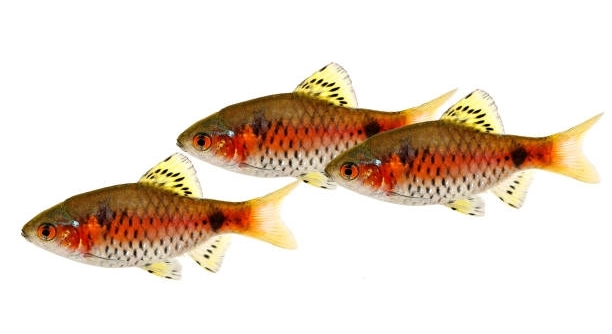
Many fish owners enjoy watching their pets thrive in home aquariums. Sometimes, fish behave strangely or seem stressed without clear reasons. Understanding what might be overwhelming your fish helps create a calm and healthy environment.
Overstimulation in fish often results from too much noise, bright lights, overcrowding, or constant changes in their tank. These factors can cause stress, leading to health problems and unusual behavior. Maintaining stable conditions is key to their well-being.
Knowing what triggers your fish’s stress can improve their quality of life. The following points explain common causes of overstimulation and how to avoid them.
Bright Lights and Excessive Illumination
Fish are sensitive to light, and too much brightness can cause stress. Many tanks use strong LED lights that stay on for long hours. This constant brightness can disturb their natural day-night cycle. Fish need a period of darkness to rest and recover. When lights are too intense or on for too long, fish may hide, become sluggish, or show signs of irritation. It’s important to mimic their natural environment by using a timer for the lights and adjusting brightness. Dimmer lighting or shaded areas in the tank can also help fish feel safer. Different fish species have different light needs, so researching your fish type helps create the right balance. Over time, this small adjustment can reduce their stress and improve overall health. Providing a consistent light schedule supports natural behaviors and a peaceful tank environment.
Too much light disrupts fish’s sleep and can lead to long-term stress. Adjust lighting based on species needs.
Controlling light exposure is one of the easiest ways to prevent overstimulation. Consider placing your aquarium away from direct sunlight to avoid sudden brightness changes. Use a timer to keep lighting consistent, typically 8 to 12 hours a day. Adding plants or decorations that create shaded areas gives fish a place to retreat. This helps fish feel secure and less exposed. Overly bright or flashing lights should be avoided as they can trigger stress responses. Monitoring how your fish react to different lighting can guide you to find the best setup. Maintaining a calm lighting environment supports their natural rhythms and encourages active, healthy behavior. Small changes in light management make a big difference in reducing fish stress and promoting a balanced aquarium habitat.
Overcrowding and Limited Space
Too many fish in one tank causes constant competition for space and resources. This leads to stress, aggression, and poor water quality. Each fish species needs a minimum amount of space to swim comfortably. When space is tight, fish may become territorial or hide excessively. Overcrowding also increases waste buildup, which harms water conditions. Keeping the tank clean and ensuring enough space per fish helps prevent these issues.
Crowded tanks cause stress and health problems for fish.
Proper stocking levels depend on fish size and behavior. A general rule is one inch of fish per gallon of water, but some species need more room. Researching your fish’s adult size and temperament is crucial before adding them to a tank. If you notice fish fighting or hiding more than usual, it might mean the tank is too full. Regular water changes and good filtration are essential in crowded tanks but won’t fix space issues alone. Providing enough room reduces stress and supports natural swimming and social behaviors. Consider upgrading to a larger tank or reducing the number of fish to create a healthier environment. Prioritizing space and cleanliness keeps fish calm and thriving over time.
Loud Noises and Vibrations
Loud noises and vibrations from household appliances or nearby construction can upset fish. Fish sense vibrations through their bodies, and constant noise can make them anxious or hide more often.
Fish rely on calm surroundings to feel secure. Sudden or continuous noise disrupts their environment and can cause stress-related behaviors like erratic swimming or loss of appetite. Vibrations from washing machines, vacuum cleaners, or heavy foot traffic near the tank can affect their comfort. Keeping the tank in a quiet room or placing it on a vibration-absorbing surface can help minimize these disturbances. Creating a peaceful space is essential for fish to rest and maintain normal activity levels.
Reducing loud sounds near the aquarium is a simple but effective way to improve your fish’s well-being. Monitoring how they respond to household noises helps identify which sounds cause stress. Taking steps to lower noise exposure supports a calm, healthy aquarium environment.
Frequent Water Changes and Tank Cleaning
Frequent water changes and intense cleaning can unsettle fish, especially if done improperly. Sudden changes in water chemistry or temperature create stress, even if the tank looks cleaner. Fish need gradual adjustments to stay comfortable.
Changing too much water at once or using harsh chemicals during cleaning disrupts beneficial bacteria that keep the tank balanced. Removing decorations or rearranging plants too often adds to their stress. It’s best to clean the tank lightly and regularly, replacing 10-20% of water weekly to maintain stability. Using a water conditioner to remove chlorine and matching the new water temperature to the tank helps fish adjust without shock.
Keeping a regular, gentle cleaning routine supports the aquarium’s ecosystem and fish health. Understanding how much and how often to clean prevents overstimulation and promotes a peaceful habitat. Maintaining stable water conditions is key to reducing fish stress and encouraging natural behavior.
Overfeeding and Excess Waste
Overfeeding fish leads to leftover food that pollutes the water. This creates poor conditions and can overwhelm your fish’s environment.
Too much waste in the tank reduces oxygen and increases harmful toxins. Feeding small amounts once or twice a day helps keep water clean and fish healthy.
Constant Tank Movement and Rearranging
Frequent changes to the tank’s layout confuse fish and cause stress. They rely on familiar surroundings to feel safe and secure.
Rearranging plants, decorations, or hiding spots too often disrupts their sense of territory. Keeping the tank stable helps fish settle and reduces anxiety.
Incompatible Tank Mates
Some fish species do not get along well together. Aggressive or territorial fish can stress others by constant chasing or bullying.
FAQ
How can I tell if my fish is overstimulated?
Signs of overstimulation in fish include hiding frequently, erratic swimming, loss of appetite, and color fading. Fish may also show aggression or lethargy. These behaviors indicate stress caused by environmental factors like bright lights, loud noises, or overcrowding. Watching your fish regularly helps spot changes early and improve their care.
What is the best lighting setup for a fish tank?
A good lighting setup mimics natural day and night cycles. Use LED lights with adjustable brightness and set them on a timer for about 8 to 12 hours daily. Avoid direct sunlight and bright flashing lights. Adding plants or shaded areas helps fish feel safe and reduces stress from constant illumination.
How often should I clean my aquarium?
Cleaning should be done gently and regularly. Change about 10-20% of the water weekly to maintain good water quality. Avoid cleaning the whole tank at once, as this can remove beneficial bacteria. Use a water conditioner when adding new water, and clean decorations and filters lightly without harsh chemicals.
Can loud household noises really affect my fish?
Yes, fish are sensitive to vibrations and loud sounds. Noise from appliances or construction can cause anxiety, leading to hiding or erratic behavior. Placing the tank in a quiet area and using vibration-absorbing mats can help create a calmer environment for your fish.
What is the right number of fish for my tank?
The general rule is one inch of fish per gallon of water, but this depends on species and adult size. Overcrowding causes stress, aggression, and poor water conditions. Research your fish’s needs before adding new ones and consider upgrading your tank if it feels too crowded.
How much should I feed my fish?
Feed only what your fish can eat in a few minutes, once or twice a day. Overfeeding causes leftover food to decay, polluting the water and stressing your fish. Stick to a small portion to keep your tank clean and your fish healthy.
What do I do if my fish keep fighting?
Aggression often results from incompatible species or overcrowding. Separate aggressive fish or provide more space and hiding spots. Research fish compatibility before adding new ones. A peaceful tank reduces stress and helps fish live healthier lives.
Are frequent tank rearrangements bad for fish?
Yes, fish rely on stable environments. Constantly moving plants or decorations can confuse and stress them. Keep the layout consistent and only make small changes occasionally, allowing fish to adjust and feel secure.
Can stress cause illness in fish?
Stress weakens fish immune systems, making them more vulnerable to diseases. Overstimulation from environment factors like noise, overcrowding, or poor water quality can lead to infections. Maintaining stable conditions helps prevent illness and promotes strong health.
How can I reduce stress in my fish tank?
Provide a stable environment with proper lighting, quiet surroundings, appropriate stocking levels, and regular gentle cleaning. Offer hiding spots and avoid sudden changes. Watching your fish’s behavior helps you catch early signs of stress and adjust care accordingly.
Final Thoughts
Taking care of fish requires paying attention to many details that affect their well-being. Overstimulation can happen easily when fish are exposed to too much light, noise, or changes in their environment. These stress factors can cause your fish to behave differently or become unhealthy over time. By understanding what causes overstimulation, you can create a calm and balanced home for your fish, helping them live longer and stay happier.
It is important to keep their environment steady and comfortable. Simple steps like controlling the light schedule, avoiding overcrowding, and reducing loud noises make a big difference. Regular, gentle cleaning and feeding just the right amount of food also help maintain good water quality and reduce stress. Fish are sensitive creatures who rely on stable surroundings, so small changes in their tank can have a big impact on how they feel and act. Being mindful of these needs allows you to enjoy watching your fish thrive.
Ultimately, caring for fish well means observing them closely and making adjustments as needed. Each fish species may have different preferences, so learning about their natural habits helps you provide the best care. Avoid sudden changes and keep the tank as close to their natural environment as possible. With patience and attention, you can build an aquarium that supports your fish’s health and well-being, making your experience as an owner more rewarding.

Hello,
If you enjoy the content that we create, please consider saying a "Thank You!" by leaving a tip.
Every little bit helps us continue crafting quality advice that supports the health, happiness, and well-being of pets around the world, for pets of all shapes, sizes, and species.
We really appreciate the kindness and support that you show us!