
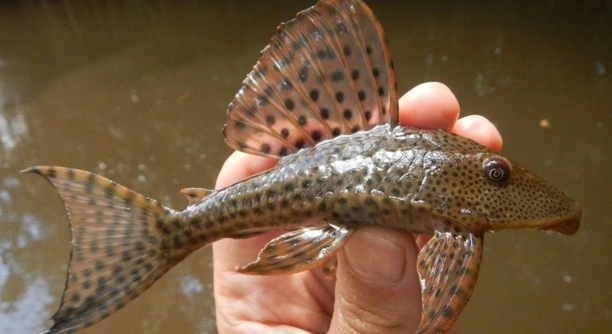
Plecos are fascinating fish, but they can sometimes experience gill blockages. It’s essential to know what might be affecting their gills so they stay healthy and thrive in your aquarium.
Several factors can cause gill blockages in plecos, including poor water quality, debris buildup, and stress. A lack of oxygen in the tank and improper filtration can also contribute to this issue, leading to breathing difficulties for your pleco.
Taking care of your pleco’s environment can make all the difference. By monitoring water quality, removing excess debris, and ensuring proper filtration, you can help keep your pleco’s gills clear and their health in top shape.
Poor Water Quality
Water quality plays a huge role in keeping your pleco’s gills clear. If the water in your tank is dirty or has too much ammonia or nitrites, it can affect their breathing. High levels of these toxins can irritate the gills and cause blockages. Infected gills or algae buildup can also make it harder for your pleco to breathe properly. If the water gets murky, it may be a sign that something is off.
Improper filtration or not changing the water regularly can lead to these issues. Keeping a good filtration system and changing the water every couple of weeks can prevent many water quality problems.
To maintain optimal water quality, ensure you’re using an efficient filtration system. Regular water testing will help detect dangerous levels of ammonia or nitrites early, allowing you to fix the problem before it becomes more serious. Also, performing partial water changes often will improve your pleco’s living conditions, allowing their gills to remain healthy and clear.
Debris and Algae Buildup
Algae and debris in the tank can also contribute to gill blockages. When there’s too much debris or algae floating around, your pleco may accidentally inhale these particles. Over time, the buildup can get lodged in their gills, restricting airflow and making breathing more difficult.
Plecos are natural cleaners and often swim near the substrate, which means they may encounter debris more frequently. Regular cleaning of the tank, as well as removing excess algae growth, can prevent this from happening.
Stress
Stress can have a significant impact on your pleco’s health, including its gills. When plecos feel stressed, it can affect their immune system, making it easier for infections to develop in their gills. Stress also leads to rapid gill movement, which can strain the gills and cause them to become inflamed or blocked.
There are many causes of stress in plecos, such as sudden changes in water temperature, overcrowding, or aggressive tank mates. Ensuring your pleco has a peaceful environment with stable water conditions can help reduce stress levels. Avoid introducing new fish too quickly or altering the tank setup drastically.
Additionally, stress from poor water quality or excessive noise in the environment can be a hidden factor. Plecos thrive in calm, stable conditions. Taking steps to minimize disturbances, such as keeping noise to a minimum and maintaining tank consistency, will help your pleco stay relaxed and reduce the likelihood of gill issues caused by stress.
Lack of Oxygen
Plecos need plenty of oxygen to breathe properly. If your tank lacks sufficient oxygen, your pleco might struggle to get enough air, which could cause their gills to work harder and eventually become blocked. Low oxygen levels can occur due to improper water circulation or a lack of surface agitation.
To ensure proper oxygen levels in your tank, invest in an air pump or ensure your filter provides adequate surface agitation. This will help oxygenate the water and make it easier for your pleco to breathe. Additionally, you may need to monitor the water temperature, as warmer water holds less oxygen than cooler water.
Poor Filtration
An inadequate filtration system is one of the main causes of gill blockages in plecos. If the filter isn’t working properly, waste and debris can build up in the tank, leading to poor water quality. This can cause particles to enter your pleco’s gills, obstructing their ability to breathe.
Regularly cleaning the filter and ensuring it’s properly sized for your tank can help prevent this issue. A good filtration system keeps water clean, which reduces the amount of debris your pleco may inhale. Always check the filter’s performance to make sure it’s doing its job effectively.
Additionally, make sure your tank has a suitable water flow rate. Too much or too little flow can affect the health of your pleco, so finding a balance is key to maintaining clean water and preventing gill problems.
Tank Size
A tank that’s too small for your pleco can lead to several issues, including blocked gills. If the pleco doesn’t have enough space to swim freely, it may create more stress or circulate more debris, which can affect the gills. Ensure your pleco has adequate space to live comfortably.
A larger tank allows for better water circulation and helps maintain cleaner water, which reduces the chance of gill blockages. It’s important to consider the size of your pleco and the space it needs to thrive. A well-sized tank ensures better water quality and a healthier pleco.
FAQ
What are the signs that my pleco has gill blockages?
If your pleco is struggling to breathe, it’s a strong sign of potential gill blockages. You might notice rapid gill movement, heavy breathing, or your pleco spending more time near the surface. Sometimes, you’ll see a decrease in activity or a lack of appetite. In extreme cases, the gills might appear inflamed or discolored. If these symptoms appear, it’s important to address the issue immediately, as gill blockages can lead to serious health problems.
How can I prevent gill blockages in my pleco?
The best way to prevent gill blockages is by keeping the tank clean and maintaining good water quality. Regular water changes and proper filtration are essential. You should also monitor your pleco’s environment to reduce stress and ensure it has enough oxygen. Checking the water temperature regularly will also help. Additionally, removing excess algae and debris can go a long way in preventing gill blockages.
Can a dirty tank cause gill blockages in plecos?
Yes, a dirty tank can definitely contribute to gill blockages. If the tank water has high levels of waste or toxins like ammonia and nitrites, it can irritate your pleco’s gills and lead to blockages. A buildup of algae and debris can also cause problems. Regular cleaning, along with efficient filtration, helps keep the tank water clean and clear.
How do I clean my pleco’s tank to prevent gill blockages?
To clean your pleco’s tank, start by removing debris from the substrate with a gravel vacuum. Make sure to clean the filter regularly and replace filter media when necessary. Perform partial water changes (about 25-30%) weekly or biweekly to maintain water quality. Don’t forget to wipe down the glass to prevent algae buildup and check for any dead plants or uneaten food that could cause waste accumulation.
Does water temperature affect pleco gills?
Yes, water temperature can affect your pleco’s gills. If the water is too warm, it reduces the oxygen level, making it harder for your pleco to breathe. When the water is too cold, it can slow down your pleco’s metabolism and immune system. Keep the water temperature within the recommended range for plecos (around 74°F to 80°F or 23°C to 27°C) to ensure their gills stay healthy and functional.
Can stress cause gill blockages in plecos?
Stress is a major factor that can cause gill blockages. When your pleco feels stressed, it can lead to rapid gill movement, which can strain the gills and make them more prone to blockages. Stress also weakens the immune system, making the pleco more vulnerable to infections that affect the gills. Make sure your pleco has a peaceful environment with no aggressive tank mates and stable water conditions.
What is the best way to reduce stress in my pleco?
To reduce stress in your pleco, ensure it has a peaceful, quiet environment. Avoid sudden changes in water conditions, such as temperature shifts or rapid changes in pH. Keep your pleco in a tank large enough for it to swim freely, and ensure it’s not overcrowded. Adding hiding spots with rocks or plants can also help your pleco feel more secure.
Can I use a UV sterilizer to help prevent gill blockages?
Yes, a UV sterilizer can help in preventing harmful bacteria and algae buildup that could potentially lead to gill blockages. These sterilizers kill pathogens in the water by using ultraviolet light, making the water clearer and reducing the risk of infection. It’s especially helpful in tanks where algae growth is frequent, and it can improve overall water quality.
How often should I change the water to prevent gill blockages?
To prevent gill blockages and maintain good water quality, it’s recommended to change about 25-30% of the water in the tank every one to two weeks. If you have a heavily stocked tank, you may need to change the water more frequently. Regular water changes help remove toxins like ammonia and nitrites, preventing them from building up to harmful levels.
Can poor filtration contribute to gill blockages in plecos?
Yes, poor filtration is one of the primary causes of gill blockages. A filter that’s too weak or clogged won’t effectively remove debris and waste from the water, leading to a buildup of harmful substances. Over time, this can cause particles to enter the pleco’s gills, obstructing airflow and causing problems. Be sure your filter is the correct size for your tank and that it’s well-maintained.
Can plecos get gill infections?
Plecos are susceptible to gill infections if their environment isn’t kept clean. Infections can occur when bacteria or parasites are allowed to thrive in poor water conditions, causing swelling, discoloration, or irritation of the gills. If you notice any unusual changes in the gills, such as redness or excess mucus, it’s important to treat the infection quickly to prevent it from blocking the gills. Regular water changes and maintaining proper filtration can help prevent infections.
Are plecos sensitive to sudden changes in water conditions?
Yes, plecos are sensitive to sudden changes in water conditions, which can cause stress and even lead to gill blockages. Rapid fluctuations in pH, hardness, or temperature can shock the fish and disrupt their breathing. Always make changes gradually and monitor water parameters regularly to keep your pleco’s environment stable.
How do I know if my pleco is getting enough oxygen?
Signs that your pleco may not be getting enough oxygen include rapid gill movement, spending a lot of time near the surface, or gasping for air. If you suspect low oxygen levels, check the water flow and ensure there’s enough surface agitation. Adding an air pump or adjusting the filter can help increase oxygen levels in the tank.
How can I improve the oxygen levels in my pleco’s tank?
You can improve oxygen levels by adding an air pump or an air stone to increase water surface agitation. This will help oxygenate the water and allow for better gas exchange. Make sure the filter is running efficiently, and avoid overstocking the tank, as overcrowding can lead to low oxygen levels.
Final Thoughts
Taking care of your pleco involves much more than just feeding them. It’s crucial to maintain a healthy environment, as poor water quality, stress, and improper filtration can all lead to gill blockages. Regular water changes, proper filtration, and ensuring a stress-free space will go a long way in preventing these issues. By staying on top of these factors, you can help your pleco stay healthy and thrive.
While gill blockages are a serious concern, most issues can be avoided with routine maintenance and careful observation. It’s important to regularly check water parameters, clean the tank, and monitor your pleco’s behavior. If you notice any signs of difficulty breathing or abnormal behavior, don’t hesitate to address the problem quickly. Early detection and prompt action are key to preventing further health problems for your pleco.
In the end, the health of your pleco depends on the care you provide. By creating a clean, calm environment with adequate oxygen levels and proper filtration, you’re giving your pleco the best chance for long-term health. With some attention to detail and a little bit of patience, you can keep your pleco’s gills clear and avoid potential complications down the road.

Hello,
If you enjoy the content that we create, please consider saying a "Thank You!" by leaving a tip.
Every little bit helps us continue crafting quality advice that supports the health, happiness, and well-being of pets around the world, for pets of all shapes, sizes, and species.
We really appreciate the kindness and support that you show us!