
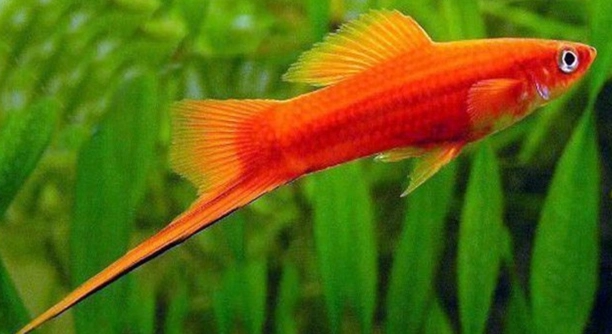
Swordtails are generally calm fish, but there are factors that may cause them to suddenly become fearful. Understanding these triggers can help provide a more comfortable environment for your aquatic pets.
Sudden fear in swordtails is often linked to changes in their environment or stress from external factors. These may include loud noises, sudden water temperature changes, or the presence of predators. Stressful interactions with other fish can also contribute.
Certain factors can affect your swordtail’s well-being. Understanding these will help you provide a healthier environment and prevent unnecessary stress.
Loud Noises and Sudden Movements
Swordtails are easily startled by loud sounds and sudden movements around their tank. The vibrations or noise from music, vacuum cleaners, or even people walking nearby can cause stress. These disruptions may make your swordtail feel threatened and unsafe, leading to fear or erratic behavior.
Sometimes, even the sound of a tank filter can startle them, especially if the water is already disturbed. Swordtails are particularly sensitive to shifts in their surroundings. Keeping a quiet, calm environment is key for their comfort.
If you notice that your swordtail becomes nervous when certain sounds or movements occur, it’s best to move loud appliances away from the tank. Placing the tank in a quieter location in the room can also help maintain a stress-free environment. This small change can go a long way in keeping your swordtails calm and healthy.
Water Temperature Fluctuations
Temperature changes can quickly stress out swordtails.
A stable temperature range is essential. Swordtails are sensitive to even small shifts, especially when the tank is moved or a heater malfunctions.
Presence of Other Fish
Swordtails may feel threatened by certain species of fish. Aggressive or territorial tank mates can cause stress. If your swordtail feels crowded or harassed, it might exhibit fear or anxiety.
Aggressive species such as cichlids or fin-nippers can trigger defensive behavior in swordtails. They might hide or become overly cautious when other fish approach. This heightened stress can lead to a decline in their health over time.
To help your swordtail thrive, consider adding peaceful, non-aggressive fish that won’t overwhelm or intimidate them. Monitoring interactions and ensuring enough space in the tank are key factors in maintaining harmony.
Sudden Water Changes
Swordtails can react poorly to sudden changes in water conditions. Significant shifts in pH or hardness can be alarming to them.
Frequent or drastic water changes affect the balance of their environment. This disrupts their natural behavior and can lead to stress. Gradually altering water parameters gives your swordtail the chance to adjust without fear.
Bright Lights
Swordtails can be startled by bright lights. Constant or sudden exposure to intense lighting may cause them to feel exposed or unsafe.
To avoid stressing your swordtails, ensure that the lighting in the tank is soft and consistent. Avoid harsh light, especially when switching it on or off.
Tank Size
A tank that’s too small can overwhelm swordtails. They need space to swim freely and feel secure in their environment.
When swordtails feel cramped, they may hide or become more aggressive. A tank that is properly sized allows them to swim comfortably, reducing stress and promoting healthier behavior.
FAQ
Why is my swordtail suddenly hiding?
Swordtails often hide when they feel stressed or threatened. If your swordtail is hiding more than usual, it could be due to environmental factors like poor water quality, sudden changes in temperature, or aggressive tank mates. Ensure the tank conditions are stable and that there’s enough space for your swordtail to feel safe.
Can swordtails get stressed easily?
Yes, swordtails are sensitive to changes in their environment. Stress factors include fluctuations in water temperature, changes in pH levels, loud noises, and overcrowding. They may also react to other fish that are too aggressive or territorial. Maintaining a calm, stable environment helps reduce stress.
How can I reduce stress in my swordtail?
To reduce stress, maintain consistent water conditions, avoid sudden changes, and ensure there are no aggressive tank mates. Keep the tank clean, provide hiding spots, and ensure your swordtail has enough space to swim freely. A quiet, peaceful environment also helps them feel more secure.
What do I do if my swordtail is constantly darting around?
If your swordtail is darting around the tank, it may be a sign of stress or anxiety. This behavior can occur when the tank is too small, the water conditions are poor, or if the fish feels threatened by other tank mates. Check the water parameters and observe the tank environment for any potential stressors.
Is it normal for swordtails to chase each other?
Swordtails, especially males, may chase each other, particularly when establishing dominance or competing for a mate. However, excessive chasing or aggressive behavior is not normal and can indicate stress. If this becomes a problem, consider adjusting the tank setup or adding more plants and hiding spots to reduce aggression.
How often should I change the water in my swordtail tank?
You should change 20-30% of the water every week to maintain good water quality. Regular water changes help prevent the buildup of toxins and waste products, which can stress your swordtail and cause health issues. Always check the water parameters before making changes to avoid sudden shifts that could stress your fish.
What water temperature is best for swordtails?
Swordtails thrive in water temperatures between 72°F and 82°F (22°C to 28°C). Sudden temperature changes can stress them out, so it’s important to keep the water temperature consistent. Using a reliable aquarium heater can help maintain a stable temperature range.
Can swordtails live with other fish?
Swordtails can live with many peaceful fish species. However, they may not do well with aggressive or territorial fish. Choose tank mates that are not overly competitive, and ensure that there’s plenty of space and hiding spots for your swordtail to avoid stress and territorial disputes.
What should I feed my swordtail?
Swordtails are omnivores and enjoy a varied diet. Feed them high-quality flakes or pellets along with live or frozen food like brine shrimp, daphnia, or bloodworms. A balanced diet helps keep them healthy and strong. Be sure not to overfeed, as uneaten food can lead to poor water quality.
Why is my swordtail not eating?
If your swordtail isn’t eating, it could be a sign of stress, illness, or poor water conditions. Check the water quality and make sure there are no aggressive tank mates. Swordtails may also stop eating if they’re experiencing temperature changes or if the food isn’t to their liking.
How can I tell if my swordtail is sick?
Signs of illness in swordtails include lethargy, loss of appetite, clamped fins, or unusual swimming patterns. Look for physical signs such as discoloration, bloating, or lesions. If you notice these symptoms, it’s essential to separate the sick fish and check the water conditions to help prevent further stress or contamination.
Can swordtails breed in my tank?
Yes, swordtails are livebearers and will breed in a home aquarium. If you have both males and females, expect them to mate. To avoid overcrowding, consider setting up a separate breeding tank or removing the fry before they are eaten by other tank mates.
Do swordtails need a filter?
A filter is essential for maintaining clean, healthy water in your swordtail tank. It helps remove waste, debris, and toxins, keeping the water oxygenated and stable. However, make sure the filter’s current isn’t too strong, as swordtails prefer calm water.
How can I tell if my swordtail is stressed?
Signs of stress in swordtails include erratic swimming, hiding, loss of appetite, clamped fins, or changes in color. If your swordtail exhibits these symptoms, check the tank’s water conditions and environment. Stress can also be caused by aggressive tank mates or sudden changes in their habitat.
Can swordtails live in brackish water?
Swordtails prefer freshwater but can tolerate slightly brackish water under certain conditions. If you plan to keep them in brackish water, ensure that the salinity levels are appropriate and stable. Sudden changes in salinity can cause stress and harm your swordtail.
Why is my swordtail turning black?
A swordtail turning black could indicate stress, illness, or poor water quality. It can also be a sign of fungal or bacterial infections. If the black coloring is accompanied by other signs of illness, it’s important to check the water conditions and consider isolating the fish to treat the problem.
Final Thoughts
Understanding the reasons behind sudden fear in swordtails is crucial for creating a peaceful and healthy environment for them. Swordtails are sensitive to changes in their habitat, and factors such as loud noises, sudden water changes, or aggressive tank mates can all contribute to their stress. When these fish experience stress, it can lead to hiding, erratic swimming, or even health problems over time. By being aware of the potential triggers and taking steps to minimize them, you can ensure that your swordtail thrives in its tank.
Providing a stable and comfortable environment is the key to reducing stress. Consistent water temperature, proper tank size, and compatible tank mates are all important for creating a safe space for your swordtail. Keeping the water clean, avoiding drastic changes, and maintaining a calm atmosphere will help your fish feel secure. Swordtails, like many fish, are more likely to thrive when their environment is consistent and stress-free. Monitoring their behavior regularly and adjusting their habitat when necessary can make a significant difference in their well-being.
Taking care of swordtails is not only about meeting their basic needs but also about paying attention to their behavior and environment. Swordtails can live long, healthy lives when their stress is minimized and their surroundings are kept peaceful. If you notice any signs of stress, such as hiding, loss of appetite, or unusual swimming patterns, it’s important to check the water quality, tank conditions, and other factors that might be affecting them. By doing so, you’ll help your swordtail feel safe, happy, and comfortable in its home.

Hello,
If you enjoy the content that we create, please consider saying a "Thank You!" by leaving a tip.
Every little bit helps us continue crafting quality advice that supports the health, happiness, and well-being of pets around the world, for pets of all shapes, sizes, and species.
We really appreciate the kindness and support that you show us!