
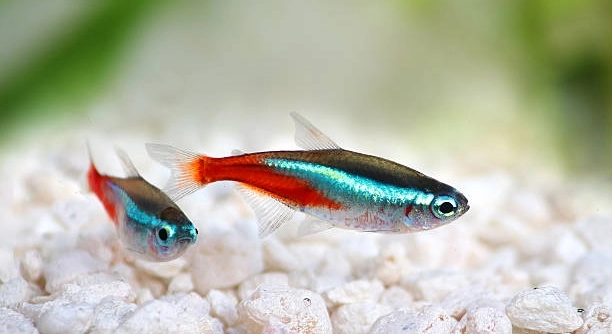
Do your tetras keep laying eggs that never hatch, leaving you wondering what might be going wrong in your aquarium setup?
Tetras often breed unsuccessfully due to stress, poor water conditions, overcrowding, incompatible tank mates, lack of hiding spots, improper diet, and inadequate lighting. These factors disrupt their natural breeding cycle and lead to failed reproduction attempts.
From subtle environmental stressors to overlooked tank dynamics, understanding each cause can help improve your tetra’s chances of breeding successfully and consistently.
Stress From Tank Mates
Tetras can become stressed when housed with aggressive or incompatible fish. Even subtle chasing or territorial behavior can disrupt their comfort, making them feel unsafe. Stress weakens their immune system and hormones, directly impacting breeding behavior. In community tanks, it’s easy to miss these signs until breeding attempts fail. Choosing peaceful, similarly sized species helps create a calm environment. Ideal companions include other small schooling fish like rasboras, corydoras, or guppies. Avoid keeping them with larger or nippy fish, especially fin-nippers like barbs. A calm tank encourages natural behavior and gives breeding pairs a better chance to succeed.
Avoid adding fast-moving or dominant fish into the tank. Their presence often causes tetras to hide more, eat less, and stop engaging in courtship.
If your tetras seem timid or stay in the corners, it’s time to reassess their tank mates. Observing their interactions daily helps catch any signs of trouble early.
Poor Water Quality
Even slightly imbalanced water can prevent breeding. Tetras need clean, stable water to feel safe enough to lay eggs. Ammonia and nitrites should always be at zero, and nitrates kept low. Frequent water changes help maintain ideal conditions.
When water quality drops, tetras respond by becoming inactive or less social. This often leads to skipped spawning behavior. Many breeders overlook the role of consistency—fluctuations in pH, temperature, or hardness can be enough to stop breeding altogether. Ideal temperature ranges from 75–80°F, with soft, slightly acidic water (around pH 6.5). Regular testing is necessary, especially before attempting to breed them. Use a reliable test kit and monitor closely for any sudden changes. Dirty substrate or unclean filters also contribute to poor conditions, so weekly maintenance is key. Always treat new tap water to remove chlorine and other harmful chemicals. Consistent, clean water allows tetras to stay active, healthy, and more responsive to breeding cues.
Inadequate Lighting Conditions
Tetras rely on proper lighting to regulate their daily rhythms, including breeding behavior. Dim or inconsistent lighting confuses their internal clocks, making them less likely to spawn. A stable light cycle of 10–12 hours daily encourages natural activity and helps prepare them for breeding.
In breeding setups, avoid relying solely on ambient room light. Use a low-intensity aquarium light that mimics daylight, and keep it on a timer. Sudden light changes or irregular schedules disrupt their biological processes. If lighting is too bright, tetras may hide and feel exposed, which adds stress. On the other hand, too little light reduces activity and communication between potential breeding pairs. Soft, even lighting helps them feel secure enough to court and spawn. Keeping a consistent routine for both light and darkness can be just as important as water quality when preparing tetras to breed successfully in captivity.
Tetras also benefit from a balanced mix of light and shadow. Use floating plants or broad-leaved species to diffuse light naturally. This gives them space to explore without feeling vulnerable. Too much exposure can discourage breeding, especially in nervous or easily startled fish. Balanced lighting supports both comfort and hormonal stability, setting the stage for successful egg laying.
Lack of Hiding Spots
Without proper cover, tetras feel exposed and may refuse to spawn. Breeding requires a sense of safety, and open tanks without plants or hiding spaces create unnecessary stress. Natural barriers make a big difference in their behavior and willingness to lay eggs.
In community tanks, provide dense vegetation like Java moss, hornwort, or floating plants. These not only offer privacy but also mimic the tetras’ natural breeding environments. Breeding tanks should include fine-leaved plants or spawning mops to encourage egg laying. Fry are often eaten if left in open view, so cover helps with protection too. Add driftwood, rock structures, or even plant clumps to create small zones where fish can retreat and feel secure. Tetras need these secluded spots to initiate breeding behavior, particularly when other fish share the tank. When they feel hidden, they are more likely to display courtship, lay eggs, and guard the area until the fry emerge.
Improper Diet
A poor diet leaves tetras without the energy and nutrients they need to breed. Flake food alone isn’t enough. They need a varied diet with high-protein foods like brine shrimp, daphnia, or bloodworms to support healthy reproduction.
Feed small portions multiple times a day when conditioning them to breed. Avoid overfeeding, as uneaten food spoils the water. Balanced nutrition boosts color, energy, and overall vitality, which encourages mating behavior. A well-fed tetra is more likely to spawn successfully and produce healthy eggs that have a better chance of hatching.
Overcrowded Tank
Too many fish in one tank leads to constant stress and competition, which quickly disrupts breeding. Tetras need space to swim freely and establish pairings without interruption. In smaller or overcrowded tanks, aggression increases and the water quality drops faster, both of which discourage spawning.
Wrong Temperature Range
If the water temperature is too high or too low, tetras won’t breed. Keep the tank between 75–80°F for best results. A stable, slightly warm temperature supports their activity and hormonal balance, making them more likely to spawn under the right conditions.
FAQ
How do I know if my tetras are ready to breed?
When tetras are ready to breed, you’ll notice brighter coloring, increased activity, and chasing behavior between males and females. Males will often swim closely behind the females, nudging or circling them. Females may appear rounder due to eggs. These signs show they’re in good condition and feel secure enough to spawn. If you see this behavior regularly but no eggs appear, check your tank setup, lighting, and water quality to make sure conditions are right. Good nutrition and a stable environment are key for triggering breeding behavior in healthy adult tetras.
How many tetras should I keep together for breeding?
It’s best to keep a small group, ideally with more females than males—such as 2 males to 3 or 4 females. Tetras breed best in groups where they can choose their partners naturally. Avoid having too many males, as this can lead to constant chasing and stress. A balanced ratio allows healthy pair bonding and better chances of successful spawning. If you’re breeding them in a separate tank, start with a group of 5 to 6 healthy adults and observe their behavior. Once a pair shows signs of bonding, you can separate them into a spawning tank.
What type of breeding tank setup works best for tetras?
A bare-bottom tank with fine-leaved plants or spawning mops works best. Use a sponge filter to keep the water clean without disturbing the eggs. Keep lighting soft and provide hiding spots to help the pair feel secure. The water should be soft and slightly acidic (around pH 6.5), with a temperature near 78°F. Keep the tank small, around 10 to 15 gallons, for better control. Remove the adult tetras after spawning to prevent them from eating the eggs. This simple setup improves the survival rate of eggs and helps you monitor the breeding process more easily.
Why do my tetras eat their own eggs?
Tetras often eat their eggs if they feel stressed, hungry, or unsafe. It’s a natural reaction in many fish, especially in tanks without hiding spaces. If you notice this happening, remove the adults immediately after spawning. You can also add a mesh barrier or marbles at the bottom of the tank to protect eggs by letting them fall through where the adults can’t reach them. Feeding the adults well before breeding can also reduce the chance of egg-eating, as hungry fish are more likely to consume their own eggs out of instinct.
How long does it take for tetra eggs to hatch?
Tetra eggs typically hatch within 24 to 36 hours, depending on water temperature. Warmer water speeds up the process slightly. After hatching, the fry will rest at the bottom of the tank for a couple of days before they start swimming. During this time, they absorb their yolk sacs and don’t need food. Once they become free-swimming, you can begin feeding them with infusoria or liquid fry food. Keep the tank clean and stable, and avoid sudden water changes during this delicate stage. Maintaining soft, clean water will help improve hatch rates and fry survival.
How often can tetras breed?
Tetras can breed every few weeks if conditions are right and they are well-fed. However, it’s best to give them a rest between spawnings to recover and regain strength. Continuous breeding without breaks can wear them down and reduce egg quality. If you notice lower energy or faded colors, take a break from conditioning them. Keep their diet rich and varied to help them rebuild strength. When signs of courtship return and the females look round again, they may be ready for another attempt. Healthy, rested fish are much more likely to breed successfully.
Final Thoughts
Tetras are peaceful, colorful fish that many people enjoy keeping, but breeding them takes a little more care and attention. If your tetras are not breeding successfully, it usually means something in their environment isn’t quite right. It could be the wrong tank mates, poor water quality, or not enough hiding spaces. These small factors can make a big difference in their behavior and comfort. Tetras need to feel secure before they can breed, so creating the right environment is the first and most important step. When conditions match their natural needs, they are much more likely to spawn.
Paying attention to their diet, light, and tank setup can help a lot. A high-protein diet with live or frozen food gives them the energy they need. Soft, stable lighting encourages natural activity, while hiding spots like plants or spawning mops make them feel safe enough to lay eggs. It’s also important to check the water regularly. Clean water with the right temperature and pH supports their health and helps them feel ready to breed. If any of these areas are off, even by a little, it can throw off the whole process. Keeping things stable and consistent helps tetras feel relaxed and more willing to spawn.
Breeding tetras doesn’t need to be complicated, but it does require patience and attention. By focusing on the small details—like tank conditions, diet, and water quality—you can give your tetras a better chance to breed successfully. Some pairs may take time to bond, and not every attempt will result in eggs or fry. That’s okay. As long as your fish are healthy and active, you’re on the right track. Watch their behavior, make small changes as needed, and be consistent. With a little effort and care, you can create the right conditions for breeding and enjoy the process of helping your tetras thrive in your aquarium.

Hello,
If you enjoy the content that we create, please consider saying a "Thank You!" by leaving a tip.
Every little bit helps us continue crafting quality advice that supports the health, happiness, and well-being of pets around the world, for pets of all shapes, sizes, and species.
We really appreciate the kindness and support that you show us!