
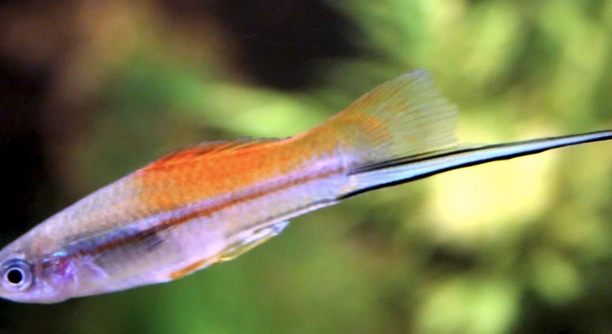
Swordtails are popular freshwater fish known for their vibrant colors and active nature. If you’re looking to ensure they thrive in your aquarium, understanding their needs is key. These easy-to-care-for fish make excellent additions to many tanks.
Swordtails thrive when provided with optimal water conditions, a balanced diet, ample space, and compatible tank mates. Maintaining stable water temperature and pH levels, along with proper filtration, encourages their natural behavior and vibrant colors.
With the right environment and care, swordtails will grow healthy and active, enhancing the beauty of your tank. Keep reading to learn what steps can ensure your swordtail’s success!
1. Providing the Right Water Conditions
For swordtails to thrive, water conditions need to be stable and within a certain range. The ideal temperature should be between 72-82°F (22-28°C). Swordtails are sensitive to drastic temperature changes, so keeping a heater in the tank can help maintain a consistent environment. pH levels should be kept between 7.0 and 8.0. Soft to moderately hard water is best for them. Regular water changes—about 25-30% weekly—help maintain these conditions and keep your swordtails healthy.
It’s important to test the water regularly, especially if you have other fish in the tank. A reliable aquarium test kit will help you monitor water parameters, ensuring swordtails live in a balanced environment.
Maintaining clean water helps swordtails avoid stress and disease. Too many changes in the water can lead to sickness and even death. Keeping a proper filtration system in place is also essential. An efficient filter removes debris and toxins, ensuring clean water. Moreover, a filter with a gentle flow prevents stress on your swordtails, who prefer calm waters.
2. Offering a Balanced Diet
Swordtails are omnivores and need a varied diet to stay healthy. Providing a mix of high-quality flakes, pellets, and live or frozen foods ensures they get the necessary nutrients. Vegetables like spinach and zucchini can also be added to their meals for extra fiber.
Offering a range of foods helps promote healthy growth and vibrant colors. Fish enjoy the added variety and benefit from the balanced nutrition that a mix of food types provides.
Swordtails love to graze, so feeding them small amounts multiple times a day keeps them satisfied and prevents overeating. You can include daphnia, brine shrimp, or bloodworms as occasional treats. While swordtails do well with standard commercial foods, adding live food to their diet encourages natural hunting behavior and stimulates their appetite.
3. Tank Size and Space
Swordtails need plenty of room to swim and explore. A tank of at least 20 gallons is recommended for a small group. Overcrowding can lead to stress and health issues. Each swordtail needs space to establish its territory and avoid conflicts.
A larger tank not only gives them more room to move but also helps maintain stable water parameters. More space makes it easier to keep the tank clean and provides a better environment for all inhabitants. Swordtails are active swimmers, so they thrive when they have room to move freely without feeling cramped.
If you’re keeping swordtails with other species, ensure that the tank size is appropriate for all fish. This reduces aggression and territorial disputes. A well-planned tank layout with plants, rocks, and hiding spots will also help swordtails feel secure.
4. Choosing Compatible Tank Mates
Swordtails are peaceful fish but can become territorial with others. Choosing tank mates that share similar water requirements and temperament is essential. Fish like tetras, mollies, and guppies make great companions. Avoid keeping them with aggressive or fin-nipping species.
When selecting tank mates, ensure that all species get along. Swordtails, although generally calm, may become stressed if housed with overly aggressive fish. Keeping similar-sized or peaceful species reduces aggression.
Add enough plants and hiding places to give swordtails and other fish some personal space. It’s best to keep swordtails in groups of at least three, which reduces stress and allows them to display natural behaviors. By creating a balanced environment with peaceful tank mates, swordtails can thrive alongside other species while keeping their social structure intact.
5. Maintaining Consistent Water Temperature
Swordtails are sensitive to temperature fluctuations. Keeping the water temperature between 72-82°F (22-28°C) ensures they stay comfortable. A reliable aquarium heater is essential for maintaining this range, especially in cooler environments.
Sudden changes in temperature can cause stress and weaken their immune system. If the temperature drops or rises too quickly, swordtails may stop eating or become more susceptible to diseases. Monitoring temperature regularly with an aquarium thermometer will help you maintain stability.
6. Regular Water Changes
Regular water changes are vital for swordtails. Changing about 25-30% of the water weekly helps remove toxins and excess nutrients. This also prevents algae growth and keeps the water clear.
By maintaining clean water, swordtails have a better chance at thriving. Dirty water can cause health issues, such as skin diseases or internal problems. Regular water changes keep the environment safe and reduce the need for constant cleaning.
FAQ
How can I tell if my swordtail is healthy?
A healthy swordtail will have vibrant colors, swim actively, and eat regularly. Their fins should be intact, and they should display normal behavior for their species, such as swimming in schools or exploring their tank. If your swordtail is lethargic, has faded colors, or seems to be scratching against objects, it might be sick. Keep an eye on its eating habits, as a loss of appetite is often an early sign of health problems.
What temperature is best for swordtails?
Swordtails prefer a stable water temperature between 72°F and 82°F (22°C to 28°C). A sudden change in temperature can cause stress or lead to health issues. You can use a heater to maintain the temperature within this range, especially in cooler environments. It’s crucial to monitor the temperature regularly using an aquarium thermometer to ensure consistency.
Do swordtails need a filter?
Yes, a filter is essential for swordtails. They need clean water to thrive, and a filter helps remove waste and excess nutrients that can harm the fish. A filter also helps maintain stable water conditions by promoting water circulation and oxygen exchange. Make sure the filter flow is not too strong, as swordtails prefer calm waters.
Can swordtails live with other fish?
Swordtails are peaceful and can live with many other species that share similar water requirements and temperament. Avoid keeping them with aggressive or fin-nipping fish. They can do well with species like mollies, guppies, and tetras. Always ensure the tank is big enough to accommodate all the fish and provide hiding spots to reduce stress.
What should I feed my swordtail?
Swordtails are omnivores, meaning they need both plant-based and protein-based foods. High-quality flakes or pellets are good staple foods. You can also supplement their diet with live or frozen foods like brine shrimp, daphnia, and bloodworms. Adding vegetables like spinach or zucchini is beneficial for extra fiber. Feeding swordtails small amounts multiple times a day ensures they stay healthy.
How often should I feed my swordtail?
Feed your swordtail small amounts two to three times a day. It’s better to feed them little and often to prevent overfeeding, which can lead to water quality issues. Swordtails are grazers, so they will appreciate having food available throughout the day. Always remove any uneaten food after a few minutes to prevent it from polluting the water.
What is the ideal tank size for swordtails?
A 20-gallon tank is ideal for a small group of swordtails. This gives them enough space to swim and establish territories. A larger tank can be beneficial if you plan to keep them with other species or in a group of more than six swordtails. Avoid overcrowding, as it can cause stress and lead to health problems.
Why are my swordtails not breeding?
Swordtails are livebearers, and breeding can be influenced by several factors. Make sure the water temperature is within the optimal range (72°F – 82°F), and the water conditions are stable. Providing plenty of hiding spots can reduce stress on females and help encourage breeding. Also, ensure that there are both males and females in the tank, as a single male might not be enough for successful breeding.
Can swordtails live in freshwater tanks?
Yes, swordtails are freshwater fish and do best in freshwater aquariums. Ensure the water has the correct pH level (7.0 to 8.0) and that it is soft to moderately hard. Swordtails will thrive in a well-maintained freshwater tank with stable water conditions, adequate space, and proper filtration.
Are swordtails easy to care for?
Yes, swordtails are relatively easy to care for compared to other fish species. They are hardy and can adapt to various conditions, making them suitable for beginners. However, they do need proper water conditions, a balanced diet, and enough space to thrive. Regular water changes and monitoring their health are essential for long-term success.
What are the common health problems in swordtails?
Swordtails are prone to a few common health issues, such as swim bladder disease, fin rot, and ich (a parasitic infection). These can often be prevented by maintaining proper water conditions, avoiding overfeeding, and providing a stress-free environment. If you notice any abnormal behavior, such as bloating or lesions, consult an aquarium professional to treat the problem early.
How do I prevent swordtail aggression?
Swordtails are generally peaceful, but males can become territorial and aggressive, especially if there aren’t enough females or space. To prevent aggression, keep swordtails in groups with more females than males. A larger tank with plenty of plants and hiding spots also helps reduce territorial disputes. Providing a stable environment with no overcrowding can keep aggression to a minimum.
What should I do if my swordtail is not eating?
If your swordtail is not eating, check the water parameters first. Poor water quality can cause a loss of appetite. Stress from aggressive tank mates or sudden changes in the environment can also affect eating habits. If the issue persists, try offering a variety of foods, including live or frozen options, to stimulate their appetite.
Final Thoughts
Swordtails are relatively easy to care for and make great additions to any freshwater tank. By providing them with the right environment, including proper water conditions, ample space, and a balanced diet, you can ensure they thrive. They are hardy fish that can adapt well to different conditions, making them a good choice for both beginners and experienced aquarium owners. Swordtails also add color and movement to your aquarium, with their active swimming and bright, striking colors.
While swordtails are generally peaceful, it’s important to provide them with the right tank mates. Choose species that share similar water and temperature requirements, and avoid aggressive fish. Keeping a well-balanced community tank with plenty of space and hiding spots will help reduce stress and prevent territorial behavior. As with any aquarium fish, make sure to keep the water clean, and provide adequate filtration to maintain a healthy environment. Regular water changes and monitoring water parameters are essential for keeping your swordtails happy and healthy.
Lastly, breeding swordtails can be a rewarding experience if you’re interested in growing your aquarium community. Swordtails are livebearers, meaning they give birth to fully formed fry rather than laying eggs. Providing a stable environment, ensuring both male and female swordtails are present, and offering plenty of hiding spaces for the young will help encourage successful breeding. Swordtail care requires attention to detail, but the rewards of watching them flourish in a well-maintained tank are certainly worth the effort.

Hello,
If you enjoy the content that we create, please consider saying a "Thank You!" by leaving a tip.
Every little bit helps us continue crafting quality advice that supports the health, happiness, and well-being of pets around the world, for pets of all shapes, sizes, and species.
We really appreciate the kindness and support that you show us!