
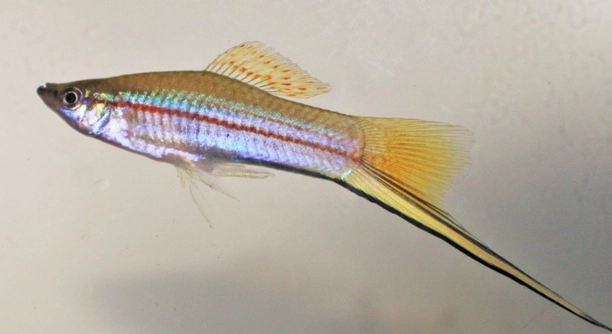
Swordtails are a popular choice among aquarium enthusiasts, but sometimes their behavior can be a bit puzzling. If you’ve ever watched them, you may have noticed some quirky actions. It’s not unusual for these fish to act in unexpected ways.
Several factors contribute to the odd behavior of swordtails. Environmental changes, hormonal fluctuations, and their social dynamics can all impact their actions. Swordtails, like many fish, are influenced by water quality, tank mates, and even their own genetics, leading to unpredictable behaviors.
Understanding the reasons behind these behaviors can help improve your swordtails’ well-being. Knowing what influences their actions will make it easier to create a suitable environment for them. Keep reading to discover what might be causing these strange moments.
Environmental Stress
Swordtails are sensitive to changes in their environment. Even minor shifts in water temperature, pH levels, or the presence of contaminants can cause them to behave strangely. For example, when the water becomes too warm or too cold, swordtails may become lethargic or overly active. Similarly, poor water quality can lead to erratic swimming patterns and even fin damage. These issues can stress the fish, making them display behaviors that seem out of the ordinary. Regular water changes, proper filtration, and consistent monitoring can help reduce environmental stress and keep your swordtails comfortable.
Water quality directly impacts their overall health. If there’s too much ammonia or nitrites, swordtails can act strangely. Ensuring that the water stays clean will make a big difference in their behavior.
A stable environment is key for swordtails to thrive. This means keeping a close eye on their water parameters, such as temperature, pH, and hardness. Swordtails are also sensitive to tank overcrowding. More fish can lead to aggressive behavior and stress, further affecting their actions. Ensuring your swordtails have a peaceful, clean environment can prevent the weird behaviors you might be seeing.
Social Interaction
Swordtails are social fish, and their behavior is often influenced by their interactions with other tank mates. They can become agitated when they feel threatened by aggressive fish or when there are too many individuals in the tank. A lack of space for swimming can cause them to act aggressively toward each other, especially if there are too many males. Additionally, swordtails have a tendency to compete for territory, which may result in fin nipping and chasing. These social dynamics are natural but can lead to behaviors that seem out of character, like hiding or sudden bursts of activity.
Swordtails thrive in groups but need the right balance. Too many males can lead to competition for mates, causing stress.
Providing a proper male-to-female ratio is essential to keeping swordtails calm and content. The ideal ratio is usually one male for every two females. This helps reduce male-to-male aggression, as the males won’t feel the need to compete as much. In addition, ensuring enough hiding spaces and plants can help reduce stress and provide areas for swordtails to retreat if needed. A calm, well-structured tank will allow swordtails to display their natural behaviors without the stress of over-competition. This balance is key to keeping them happy and healthy.
Hormonal Changes
Hormonal fluctuations in swordtails can lead to strange behavior. Males, in particular, undergo changes during mating seasons. These fluctuations can make them more aggressive or cause them to display exaggerated mating dances. Female swordtails may also exhibit signs of stress or irritation when they are ready to breed.
During mating seasons, males can become territorial, chasing females around the tank, and even other males. They often perform elaborate displays to attract attention, such as wagging their tails or flashing their colorful sword-like extensions. This behavior, though odd, is part of their natural mating ritual.
While hormonal changes are a normal part of their lifecycle, they can lead to periods of aggression or stress in both males and females. Maintaining a balance in your tank, with enough space for each fish, can help reduce the intensity of these behaviors. Additionally, understanding the breeding patterns of your swordtails will help you better predict when these hormonal changes might occur, allowing you to manage their behavior more effectively.
Feeding Habits
Swordtails can act strangely when it comes to feeding time. Some will become overly excited or aggressive around food. This behavior is often a sign of hunger or a lack of proper nutrients. Swordtails are opportunistic feeders, so they tend to get excited when food is introduced to the tank.
Feeding habits can vary greatly between individual swordtails. Some will eagerly swim to the surface, creating a chaotic feeding frenzy, while others may be more reserved. Overfeeding can also lead to water quality issues, which will only contribute to strange behaviors. It’s essential to feed them the right amount and avoid overindulgence.
Swordtails need a balanced diet consisting of high-quality flakes, pellets, and live or frozen foods. Variety is key, as they can become picky eaters if only one type of food is offered regularly. Make sure to feed them small amounts that they can consume within a few minutes to prevent leftover food from polluting the water and causing additional stress.
Illness or Injury
Swordtails may act differently if they are sick or injured. Illness can cause lethargy, loss of appetite, or erratic swimming. Injuries, such as fin damage, can also cause them to behave strangely, avoiding certain areas of the tank or staying in one spot.
If a swordtail is sick or hurt, it may hide more often or act defensively. They may also swim in circles or scratch against objects. Keeping an eye on their appearance can help you spot symptoms early. If you notice any unusual behavior, it’s important to act quickly to treat them and restore their health.
Tank Conditions
The condition of the tank itself can also contribute to unusual behavior. Dirty tanks with poor filtration or overcrowding can make swordtails more stressed. Overcrowding leads to territorial disputes, and poor water quality can cause lethargy or erratic movements.
Keeping the tank clean, with proper filtration, is essential. Ensure that there are no sharp objects or obstacles that could harm the fish. Regular water changes will also help maintain the ideal conditions for healthy swordtails. A clean tank reduces stress and supports normal behaviors in your fish.
FAQ
Why are my swordtails swimming in circles?
Swordtails may swim in circles due to stress or illness. If your fish are displaying this behavior, it’s important to check the water quality and temperature. Poor water conditions can lead to disorientation and unusual swimming patterns. Alternatively, it could be due to an injury or irritation from sharp objects in the tank. If the behavior persists, it’s wise to check for signs of disease or parasites and treat the fish accordingly.
What causes swordtails to hide all the time?
Swordtails may hide when they feel stressed or uncomfortable. This could be due to changes in the water temperature, tankmates, or even overcrowding. In addition, swordtails may retreat if they are sick, injured, or if they don’t feel secure in their environment. If you notice them hiding often, it’s essential to assess the overall tank conditions and make sure there are enough hiding spots and plants for them to feel safe. Stress from aggressive tankmates can also cause this behavior.
Why is my swordtail constantly chasing the others?
Swordtails are social fish, but males can become territorial or overly aggressive, especially during breeding seasons. Male swordtails might chase females or other males, which is a natural part of their mating behavior. However, if the aggression seems excessive, it may indicate that there are too many males in the tank. This leads to constant competition and stress. Adjusting the male-to-female ratio or adding more hiding spots can help reduce aggression.
What does it mean when swordtails dart around the tank?
Darting around the tank can be a sign of excitement, stress, or discomfort. Swordtails may swim rapidly if they are hungry, excited during feeding time, or responding to changes in the water. However, if darting is paired with other signs of distress, like abnormal breathing or erratic swimming, it could be a sign of illness or poor water conditions. Check the water parameters and keep an eye on any other symptoms to rule out health issues.
Can swordtails jump out of the tank?
Yes, swordtails are known to occasionally jump out of their tanks. This behavior is usually due to stress or sudden changes in the environment. They may try to escape if they feel threatened, overcrowded, or if the water conditions are poor. Adding a lid or cover to the aquarium can help prevent them from jumping out. Regular water changes and maintaining a calm, stable environment will reduce the likelihood of this behavior.
Why do swordtails flash their tails?
Swordtails flash their tails as part of their mating behavior. Males often display their tails to attract females, showcasing their sword-like extensions. This is a natural part of their courtship ritual. However, flashing can also be a sign of stress or irritation, especially if they are trying to establish dominance over other fish. If you notice this behavior outside of mating periods, it could indicate a territorial dispute or discomfort with the tank conditions.
Is it normal for swordtails to fight each other?
While swordtails are generally peaceful, they can become aggressive under certain conditions. Males, especially, may fight over territory or mates. Fights can result in nipping or chasing, especially when the tank is overcrowded or when there is an imbalance between the number of males and females. If fighting becomes excessive, it may be necessary to adjust the tank setup, providing more space or rearranging decorations to break up territories and reduce aggression.
How can I reduce aggressive behavior in my swordtails?
To reduce aggression, it’s important to ensure that your swordtails have enough space. Overcrowding can lead to territorial disputes and stress. Make sure there is a good balance of males and females to minimize competition. Adding plants, rocks, or other decorations can give swordtails areas to hide and reduce direct conflicts. Additionally, maintaining stable water conditions and keeping the tank free from contaminants will help keep your fish calm.
Why do swordtails shake their bodies?
Body shaking in swordtails can be a sign of excitement, aggression, or mating behavior. During courtship, males often shake their bodies as part of their display to attract females. However, if shaking is occurring outside of mating behavior, it may indicate stress or discomfort. Monitor water conditions and tankmates to ensure the fish are not experiencing stress, and look for other signs of illness or injury.
Can swordtails get along with other species of fish?
Swordtails are generally peaceful but do best with other non-aggressive species. They can live well with other livebearers or peaceful community fish, as long as the tank conditions are appropriate. However, avoid pairing them with aggressive or fin-nipping species, as this can lead to stress and abnormal behavior. When adding new tankmates, make sure they are compatible in terms of size, temperament, and environmental needs.
Why are my swordtails not breeding?
If your swordtails are not breeding, it could be due to several factors. First, ensure that the water conditions are ideal for breeding. Temperature, pH levels, and cleanliness all play a role. Swordtails also need a proper male-to-female ratio—too many males can cause stress and competition, while too few males may not trigger mating behavior. It’s also essential that the fish feel secure, with plenty of hiding places for the females to escape from the males. If these conditions are met, breeding should occur naturally.
Final Thoughts
Swordtails are fascinating fish to keep, but they can sometimes act in ways that seem unusual or confusing. Whether it’s erratic swimming, hiding, or sudden bursts of activity, understanding the reasons behind these behaviors can help you provide a better environment for them. Many of the strange actions swordtails display are linked to factors like water quality, stress, and their social dynamics. By observing and adjusting these factors, you can create a more stable and healthy tank for your fish.
It’s important to remember that swordtails, like all fish, are sensitive to changes in their surroundings. Small shifts in water temperature, pH, or even the addition of new tankmates can cause them to act differently. Regular maintenance of the tank, proper feeding, and keeping the water clean can go a long way in minimizing stress and encouraging normal behavior. If you notice any unusual patterns, addressing potential issues early can prevent long-term health problems.
Finally, being patient with your swordtails is key. Fish behavior can vary greatly, and what might seem odd at first may simply be part of their natural tendencies. Whether it’s hormonal changes, a breeding display, or just a sign of stress, swordtails will often return to their normal behaviors once the conditions are right. Understanding what influences their actions and making the right adjustments can lead to happier, healthier fish that thrive in their environment.

Hello,
If you enjoy the content that we create, please consider saying a "Thank You!" by leaving a tip.
Every little bit helps us continue crafting quality advice that supports the health, happiness, and well-being of pets around the world, for pets of all shapes, sizes, and species.
We really appreciate the kindness and support that you show us!