
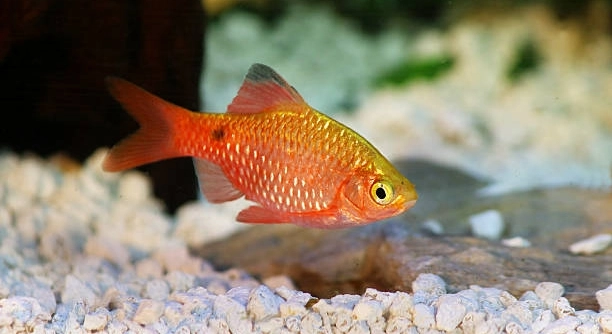
Rosy barbs are colorful, lively fish that many people enjoy keeping in their aquariums. They need a comfortable environment to thrive and show their best behavior. Creating a safe space helps them feel relaxed and healthy.
Rosy barbs feel safe when their aquarium provides stable water conditions, ample hiding spots, proper tank mates, balanced lighting, a suitable diet, regular cleaning, and minimal stress from sudden changes. These factors collectively promote their well-being.
Understanding these essentials can help you create a better home for your rosy barbs and enjoy watching them flourish.
Stable Water Conditions
Keeping the water stable in your rosy barb tank is very important. They need consistent temperature, pH, and cleanliness to stay healthy and stress-free. Sudden changes can make them nervous or sick. Most rosy barbs prefer a temperature between 72 and 78 degrees Fahrenheit and a pH level around 6.5 to 7.5. Regularly testing the water helps catch any shifts early. Using a good filter also keeps the water clear and free of harmful chemicals. Changing part of the water weekly helps keep it fresh without shocking the fish. I learned that keeping these conditions steady made a big difference in how comfortable my rosy barbs acted. When the water is right, they swim actively and show their bright colors more clearly.
Proper water stability is a key factor in keeping rosy barbs safe and happy. It prevents stress and disease.
By maintaining stable water, you reduce risks like infections and promote natural behavior. These fish rely on their environment to feel secure, and water quality affects everything from their immune system to their mood. When the water is well-balanced, rosy barbs are less likely to hide or act skittish. They become more social and interactive with tank mates. Inconsistent water conditions cause stress, which weakens their health over time. Using water conditioners and avoiding overfeeding also help keep the tank environment clean. Keeping an eye on temperature and pH daily or every other day is a small effort that pays off. This simple care routine supports their long-term well-being and enjoyment for anyone keeping these lively fish.
Plenty of Hiding Spots
Rosy barbs feel safer when they have places to hide. Plants, rocks, and decorations provide shelter and comfort.
Providing enough hiding spots reduces stress and gives rosy barbs a chance to rest when needed. Dense plants and caves are perfect for this purpose.
Fish need these spots to escape perceived threats or just to relax. Hiding places also help shy or new fish adjust to their surroundings. You don’t need to overcrowd the tank, but including a few well-placed spots encourages natural behavior. Soft plants like java fern or floating plants create a gentle cover, while smooth rocks and ceramic caves add secure retreats. These areas let rosy barbs feel protected without isolating them. It’s also a good idea to leave open swimming spaces so they can move freely. A balanced tank setup with both hiding spots and swimming areas helps create a comfortable home that supports their safety and happiness.
Proper Tank Mates
Choosing the right tank mates helps rosy barbs feel secure and prevents aggression. Avoid aggressive or very small fish.
Rosy barbs do best with other peaceful, similarly sized fish. Fast swimmers like danios or larger tetras are good companions. Avoid slow or delicate species that might be stressed by their active nature. Also, keep an eye on how fish interact to prevent bullying. Mixing compatible fish creates a calm environment and reduces fighting.
A well-chosen community tank supports rosy barbs’ natural behavior and helps them feel safe. When surrounded by suitable companions, they are less likely to hide or become stressed. This balance improves their overall health and liveliness, making your aquarium more enjoyable.
Balanced Lighting
Lighting should mimic natural daylight without being too bright or too dim. Rosy barbs need a steady light cycle.
A good lighting schedule, around 10-12 hours a day, supports healthy fish activity and plant growth. Too much light can cause stress and algae, while too little reduces fish energy. Using a timer helps keep this cycle consistent.
Lighting affects more than just visibility; it influences fish behavior and mood. Proper lighting creates a comfortable environment where rosy barbs feel secure. It also helps maintain natural rhythms, keeping them active during the day and resting at night. This simple adjustment can make a big difference in their comfort and health.
Suitable Diet
Rosy barbs need a varied diet to stay healthy. Feeding them high-quality flakes, pellets, and occasional live or frozen foods is best.
A balanced diet supports their color, energy, and immune system. Overfeeding can harm water quality, so feeding small amounts twice daily is ideal.
Regular Cleaning
Keeping the tank clean helps prevent disease and keeps rosy barbs comfortable. Regular water changes and gravel vacuuming remove waste and toxins.
Minimal Stress from Sudden Changes
Avoid sudden changes in environment, like rapid temperature shifts or loud noises. These can scare rosy barbs and cause stress.
Consistent Routine
Maintaining a steady feeding and cleaning routine helps rosy barbs feel safe. Predictability reduces their anxiety and promotes healthy behavior.
FAQ
What water temperature is best for rosy barbs?
Rosy barbs thrive in water between 72°F and 78°F (22°C to 26°C). Keeping the temperature steady within this range helps prevent stress and illness. Sudden changes in temperature can shock them, so it’s important to monitor your heater and avoid placing the tank near windows or vents.
How often should I change the water in a rosy barb tank?
Changing about 20-30% of the water every week is ideal. This helps remove waste and keeps the water clean without disturbing the fish too much. Partial water changes maintain water quality and reduce toxins that build up over time, which helps your fish stay healthy.
What should I feed rosy barbs?
A varied diet is best for rosy barbs. High-quality flakes or pellets designed for tropical fish make a good base. Supplement with live or frozen foods like brine shrimp, daphnia, or bloodworms to add protein. Feeding small amounts twice a day prevents overfeeding and keeps the water cleaner.
Can rosy barbs live with other fish?
Yes, rosy barbs are social fish and do well in community tanks with peaceful species of similar size. Good tank mates include danios, mollies, and larger tetras. Avoid slow-moving or very small fish that may get stressed or nipped by the barbs.
How many rosy barbs should be kept together?
It’s best to keep rosy barbs in groups of at least five or six. They are schooling fish and feel safer when surrounded by their own kind. Keeping a group also reduces aggression and encourages natural behavior.
What kind of plants work best in a rosy barb tank?
Rosy barbs enjoy tanks with live plants that provide hiding spots and break up open swimming areas. Hardy plants like Java fern, Anubias, and hornwort work well because they tolerate the barbs’ occasional nibbling and movement.
How do I prevent rosy barbs from jumping out of the tank?
Covering the tank with a secure lid is the simplest solution. Rosy barbs are active swimmers and can jump when startled or exploring. A tight-fitting lid keeps them safe and prevents escapes.
Why are my rosy barbs hiding all the time?
Hiding behavior often signals stress. It could be caused by poor water quality, aggressive tank mates, lack of hiding spots, or sudden changes in the environment. Checking water parameters and providing shelters usually helps them feel more secure and come out more often.
How can I reduce algae growth in my rosy barb tank?
Regular cleaning, controlling light exposure, and avoiding overfeeding reduce algae growth. Adding live plants also competes with algae for nutrients. Using a good filter and performing weekly water changes help keep algae under control.
What signs show that my rosy barbs are healthy?
Healthy rosy barbs swim actively, show vibrant colors, eat well, and interact with their environment. They shouldn’t hide constantly or show signs of disease like clamped fins, white spots, or lethargy. Regular observation helps catch problems early.
Is it necessary to quarantine new rosy barbs before adding them to the tank?
Yes, quarantining new fish for at least two weeks helps prevent introducing diseases to your main tank. It’s a safe practice to protect your existing fish and ensure newcomers are healthy before joining the group.
Can rosy barbs tolerate a planted tank with low light?
Rosy barbs do fine in moderately lit tanks. While they don’t require intense lighting, a balanced light cycle supports both the fish and plants. Using low-light plants can create a comfortable environment without stressing the fish.
How long do rosy barbs usually live?
With proper care, rosy barbs live around 5 to 7 years. Maintaining good water quality, a balanced diet, and a peaceful environment helps them reach their full lifespan.
What should I do if a rosy barb looks sick?
Isolate the sick fish if possible and check water parameters immediately. Common signs include loss of appetite, spots, or abnormal swimming. Treating early with appropriate medication and improving tank conditions can save your fish.
Are rosy barbs aggressive toward each other?
Rosy barbs can be mildly nippy but usually only if stressed or kept in small numbers. Keeping them in groups reduces aggression and helps maintain a peaceful tank dynamic.
How big should the tank be for rosy barbs?
A tank of at least 30 gallons is recommended for a small group of rosy barbs. This size provides enough swimming space and helps keep water quality stable, promoting a healthier environment.
Can rosy barbs live in hard or soft water?
They are adaptable but prefer moderately hard water with a hardness level between 8-12 dGH. Extreme softness or hardness can cause stress, so maintaining balanced water chemistry is important.
What lighting schedule is best for rosy barbs?
A consistent 10-12 hour light period each day mimics their natural environment and supports healthy behavior. Using a timer keeps the schedule steady and reduces stress from sudden changes.
Is it okay to feed rosy barbs only flakes?
Feeding only flakes is possible but not ideal. Flakes alone may lack some nutrients. Supplementing with live or frozen foods helps keep rosy barbs healthy, colorful, and more active.
How often should I test the water in a rosy barb tank?
Testing the water at least once a week is good practice. Regular checks for ammonia, nitrites, nitrates, pH, and temperature help catch issues early and keep your fish safe.
What causes rosy barbs to lose their color?
Poor water quality, stress, or a poor diet often causes dull colors. Improving tank conditions and feeding a nutritious diet usually restores their bright appearance.
Final Thoughts
Keeping rosy barbs safe and comfortable takes careful attention to several important details. From stable water conditions to a balanced diet, every part of their environment matters. When these fish live in a well-maintained tank with proper temperature, clean water, and plenty of hiding spots, they show their best colors and behave naturally. It is clear that consistent care helps prevent stress and illness, which are common problems when conditions are poor. This is why it’s worth putting in the effort to create a stable home for your rosy barbs.
Another key point is how important tank mates and lighting are to the well-being of rosy barbs. Choosing peaceful companions of similar size reduces fighting and fear, which helps keep the whole tank calm. Lighting that matches their natural day-night cycle supports their activity and rest, keeping them healthy. Small changes like these can improve the environment in ways you might not expect at first. They help the fish feel secure and encourage natural behavior, which is satisfying to see for anyone who cares for these lively fish.
Finally, regular cleaning and careful feeding cannot be overlooked. Changing part of the water weekly and avoiding overfeeding keeps the tank clean and the fish healthy. A varied diet that includes quality flakes, pellets, and occasional live or frozen food supports their energy and bright colors. By maintaining a predictable routine and minimizing sudden changes, rosy barbs adapt better to their surroundings and show less stress. Overall, providing these basic needs creates a safe, comfortable home where rosy barbs can thrive and bring enjoyment.

Hello,
If you enjoy the content that we create, please consider saying a "Thank You!" by leaving a tip.
Every little bit helps us continue crafting quality advice that supports the health, happiness, and well-being of pets around the world, for pets of all shapes, sizes, and species.
We really appreciate the kindness and support that you show us!