
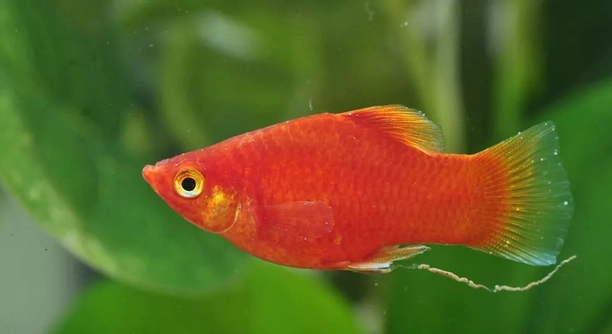
Are your platy fish looking a bit dull lately, even though you’re feeding them well and keeping their tank clean?
The vibrancy of platy colors is mostly influenced by genetics, diet, water quality, lighting, stress levels, and social interaction. Consistently providing the right conditions can significantly enhance their natural coloration and overall appearance.
From the right types of food to the ideal lighting setup, each factor plays a key role in keeping your platys looking their best.
High-Quality Food Makes a Big Difference
Feeding your platys the right food can improve their color in a noticeable way. Color-enhancing flakes or pellets with ingredients like spirulina, krill, and carotenoids support stronger pigmentation. These nutrients help highlight the reds, oranges, and yellows that platys are known for. Live or frozen foods like daphnia, brine shrimp, and bloodworms are also beneficial and add variety to their diet. Over time, a consistent feeding schedule with a mix of high-quality dry and live foods brings out richer tones. It’s not just about color either—good nutrition supports immunity and activity levels. When platys are well-fed, they look and behave better. You don’t need to go overboard. A small rotation of foods is enough. Stick to feeding small amounts once or twice a day, and always remove leftovers to keep the water clean. This balance between nutrition and tank cleanliness keeps their environment healthy and their colors strong.
Avoid overfeeding. Uneaten food will sink, rot, and affect water quality, which may reduce your platy’s color brightness.
It’s easy to overlook what goes into your platy’s food dish, but paying closer attention can lead to brighter scales and healthier fish. Quality over quantity really matters when it comes to their color.
Stable Water Conditions Are Key
Water quality has a direct effect on your platy’s appearance. Poor water can stress them out and make their colors fade.
Keep ammonia and nitrite levels at zero, and aim for a steady pH between 6.8 and 8.2. Sudden changes in water parameters can cause stress and even illness. Regular water testing helps you stay on top of any shifts. Do a partial water change weekly—around 25 to 30% is usually enough—to remove waste and toxins. Avoid overcrowding, as too many fish in one tank increases waste buildup. Filtration should match your tank size and should always be running. Rinse filter media in old tank water to avoid killing helpful bacteria. Temperature matters too. Platys do best between 72°F and 78°F. Using a heater can help avoid sudden drops, especially during colder seasons. Clean, stable water helps them stay relaxed, healthy, and colorful. Their natural tones will shine brighter when the stress of poor conditions is gone.
Proper Lighting Supports Color
Lighting affects how platy colors show up and how their pigments develop over time. A well-lit tank not only helps you see their patterns clearly but also encourages healthy coloration when used correctly.
Full-spectrum LED lighting is one of the best options for showing off vibrant colors. It mimics natural sunlight and helps promote overall fish health. Set a daily schedule of 8–10 hours of light to give your platys a natural day-night rhythm. Too much light can stress them out, while too little may dull their appearance. You don’t need anything fancy—just consistent, soft lighting with the right spectrum. If your tank has live plants, the lighting will also support their growth, which adds more comfort and cover for your fish. Healthy, stress-free fish display deeper and more intense coloration over time.
Tank placement also matters. Try to avoid placing the tank in direct sunlight, which may cause temperature swings and algae growth.
Tank Mates and Stress Levels
Stress plays a big role in dull coloring. Aggressive tank mates, sudden changes in the environment, and loud surroundings can all cause your platys to lose their shine. A calm and stable tank encourages better health and stronger colors.
Choose peaceful tank mates that won’t chase or nip at your platys. Good options include mollies, guppies, and small tetras. Avoid larger or more aggressive fish, especially those that may claim territory or compete too hard for food. It also helps to keep the tank decor simple and provide hiding spots using plants or decorations. This gives your platys space to rest and feel safe. Limit sudden movements near the tank and avoid loud noises or tapping on the glass. Even lighting changes can stress them out, so turn lights on and off gradually if possible. Reducing stress lets your platys use more energy on staying healthy and showing off their colors.
Genetics Play a Role
Not all platys will develop intense colors, even with ideal care. Some are naturally brighter due to selective breeding or genetic traits.
When buying new platys, look for ones already showing strong color as juveniles. This usually means they’ll stay vibrant as they grow.
Age Affects Color Intensity
Platy colors often change slightly with age. Young platys may start out pale, then gradually become brighter as they mature. This can take a few weeks to several months, depending on the fish. Older platys sometimes fade again, especially if their health declines. Providing steady care helps them maintain their best color as long as possible. While genetics and age can’t be controlled, everything else—like food, water, and tank setup—can support stronger, longer-lasting pigmentation. Don’t expect instant results, especially with very young fish. Be patient, observe their progress, and let their natural coloring develop at its own pace.
Regular Maintenance Matters
Skipping water changes or forgetting to clean the filter can make your platy tank unstable. Clean water supports better color and overall fish health.
What causes my platy’s colors to fade suddenly?
Sudden color fading often comes from stress or poor water quality. Changes like high ammonia, nitrites, or an improper pH can weaken their color quickly. Stress from new tank mates, rough handling, or sudden changes in lighting and temperature also makes their colors dull. Illness or parasites may contribute too. Checking water parameters and keeping the environment stable is the first step to fixing this problem.
How can I improve my platy’s color through diet?
Feeding your platy foods rich in natural pigments like carotenoids helps brighten their scales. Ingredients such as spirulina, krill, and red peppers promote red and orange hues. Rotate between high-quality flakes, pellets, and live or frozen foods like bloodworms or brine shrimp. Avoid overfeeding to prevent water quality issues. Consistent nutrition over time is the best way to see improved coloration.
Is tank lighting really important for platy coloration?
Yes, proper lighting makes a big difference. Full-spectrum LED lights mimic natural sunlight and highlight colors better than standard bulbs. About 8 to 10 hours of light daily is ideal. Too much light can stress fish, while too little can make their colors appear dull. Light also supports healthy plant growth, which creates a balanced environment and further reduces stress.
Can stress from tank mates affect my platy’s color?
Definitely. Aggressive or territorial fish can stress platys by chasing or nipping at them. This stress causes colors to fade. Choose peaceful, small fish like mollies, guppies, or small tetras to share the tank. Provide plenty of hiding spots and keep tank population balanced. A calm tank encourages your platys to show their natural colors.
Do genetics limit how vibrant my platy’s colors can be?
Genetics play a key role in coloration. Some platys are bred for brighter colors, while others naturally have more muted tones. Selecting juveniles that already show good color increases the chance they’ll stay vibrant. However, even the best genetics need proper care, diet, and environment to reach their full potential.
How often should I do water changes for healthy platy colors?
Weekly partial water changes of 25 to 30% are ideal for keeping water clean and stable. This removes waste and toxins that can cause stress or illness. Regular changes support good water chemistry, which directly affects your platys’ health and color. Avoid big, sudden water changes to prevent shocking your fish.
Can aging cause my platy to lose color?
Yes, young platys often brighten as they mature, but older fish sometimes lose intensity in their colors. This fading may be linked to natural aging or health decline. Consistent good care can slow this process and keep your platys looking bright for longer.
Will adding plants help my platy’s coloration?
Live plants improve water quality by absorbing nitrates and providing oxygen. They also offer hiding places, reducing stress. Lower stress levels mean better color for your platys. Some plants even create soft shading, which helps avoid overly bright lighting that could harm your fish.
Is overfeeding affecting my platy’s color?
Overfeeding can cause leftover food to decay, worsening water quality. Poor water stresses fish and dulls their colors. Feed small amounts once or twice daily and remove uneaten food promptly to keep the tank clean and your platys healthy.
How do I know if my platy’s fading color is a health problem?
If fading comes with other signs like lethargy, loss of appetite, spots, or unusual behavior, illness might be the cause. Check water quality and quarantine new fish to prevent disease. Consult a vet or experienced aquarist if symptoms persist. Early treatment improves chances of recovery and color restoration.
Keeping your platy fish colorful and vibrant takes some effort, but it is very doable with the right care. The most important things to focus on are their diet, water quality, and environment. Providing high-quality food that includes natural color enhancers will help bring out their best colors. Making sure the water is clean and stable by doing regular water changes and checking important parameters keeps your fish healthy and stress-free. Stress and illness are common reasons for color fading, so a calm tank with peaceful tank mates and plenty of hiding spots will make a big difference.
Lighting is another key factor that can affect how your platys look. Using full-spectrum lighting for about 8 to 10 hours a day mimics their natural environment and helps colors stay bright. Avoid placing the tank in direct sunlight to prevent temperature swings and algae growth. Genetics also play a role in how colorful your fish can get, but good care and a stable environment maximize their natural potential. Age affects their coloring too; younger fish may get brighter as they grow, while older fish sometimes lose some color. Still, proper nutrition and a stress-free setting help them maintain their best appearance for a longer time.
Remember that every tank and fish is a little different, so it may take some time to see noticeable improvements in your platy’s colors. Patience and consistency are key. Regular maintenance, good feeding habits, and a calm environment will help your platys stay healthy and look their best. Watching their colors brighten over time is rewarding and shows that your care is working. Focusing on these simple but important details will keep your fish happy and colorful for a long time.

Hello,
If you enjoy the content that we create, please consider saying a "Thank You!" by leaving a tip.
Every little bit helps us continue crafting quality advice that supports the health, happiness, and well-being of pets around the world, for pets of all shapes, sizes, and species.
We really appreciate the kindness and support that you show us!