
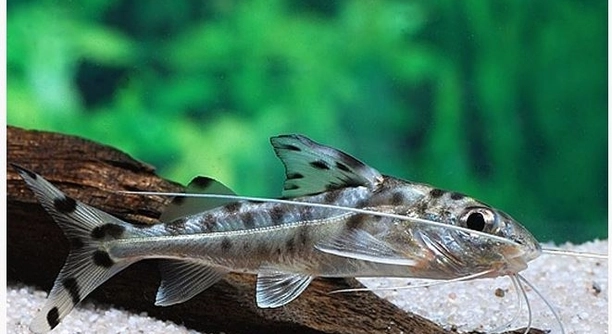
Pictus catfish are a popular choice for freshwater aquariums because of their peaceful nature and striking appearance. Keeping them healthy requires understanding their specific needs and behaviors. This article highlights key factors that help these fish thrive in captivity.
The success of pictus catfish in home tanks depends on maintaining proper water quality, providing adequate space, offering a balanced diet, ensuring compatible tank mates, supplying hiding spots, monitoring lighting conditions, and maintaining stable water parameters. These elements collectively support their health and well-being.
Knowing these essentials will improve your ability to care for pictus catfish and enhance their quality of life in your aquarium. Each factor contributes to a thriving and balanced environment for these lively fish.
Proper Water Quality
Maintaining clean water is essential for pictus catfish to thrive. These fish are sensitive to poor water conditions, which can lead to stress and illness. Regular water changes, about 20-30% weekly, help keep ammonia and nitrate levels low. Using a good filtration system is also important to remove waste and toxins. Testing the water frequently for pH, ammonia, nitrite, and nitrate will ensure a safe environment. Pictus catfish prefer a pH between 6.5 and 7.5 and a temperature range of 72-79°F (22-26°C). Avoid sudden changes in water parameters, as this can shock the fish and affect their health. Keeping the water clean and stable creates a comfortable habitat, helping them show their natural behavior and vibrant colors.
Regular water changes and monitoring create a healthy tank environment that supports pictus catfish’s immune system and reduces stress.
Consistent water quality management prevents common fish diseases and improves the overall tank ecosystem. It supports beneficial bacteria growth, which breaks down harmful waste products. Clean water also encourages active feeding and social behaviors. Neglecting water quality can cause lethargy and susceptibility to infections. A stable environment helps the fish adapt better to tank conditions and live longer.
Adequate Space and Tank Size
Pictus catfish are active swimmers and need enough room to move freely. A minimum tank size of 30 gallons is recommended to provide sufficient swimming space and reduce territorial disputes. Overcrowding can stress the fish and cause aggressive behavior. Including plants and decorations allows them to explore and hide, which mimics their natural environment. Good tank design balances open swimming areas with hiding spots. Proper spacing also helps maintain water quality, as fewer fish produce less waste. Providing an appropriate tank size is crucial to their physical health and mental well-being.
A spacious tank reduces stress and supports natural behavior.
More space means less competition for food and shelter. It encourages the fish to be more active and display their best colors. In smaller tanks, they may become territorial or stressed, leading to health problems. Adequate room also makes it easier to maintain stable water conditions. The tank should have a secure lid because pictus catfish are known to jump. Proper space allows the fish to thrive both physically and mentally.
Balanced Diet
Pictus catfish need a varied diet to stay healthy and active. Feeding them a mix of sinking pellets, live or frozen foods, and occasional vegetables meets their nutritional needs. Avoid overfeeding to prevent water quality issues.
Offering high-quality sinking pellets ensures the catfish receive balanced nutrition. Supplementing with live or frozen foods like bloodworms, brine shrimp, or daphnia provides protein and encourages natural hunting behavior. Occasionally, blanched vegetables such as zucchini or cucumber can add fiber to their diet. Feeding small amounts two to three times daily works best. Overfeeding can lead to leftover food that pollutes the tank and stresses the fish. A well-rounded diet supports their immune system and vibrant colors, promoting overall health and longevity.
Pictus catfish appreciate variety but thrive on consistency. Feeding schedules and food quality impact their energy and behavior significantly. Watching them eagerly explore the tank during feeding time shows they are thriving.
Compatible Tank Mates
Choosing peaceful tank mates helps maintain harmony in the aquarium. Pictus catfish do well with other non-aggressive species that share similar water requirements. Avoid aggressive or territorial fish that may stress or harm them.
Suitable tank mates include small to medium-sized tetras, danios, rasboras, and peaceful cichlids like apistogrammas. These fish are active but non-threatening and generally compatible with pictus catfish. Avoid keeping them with large, aggressive fish such as cichlids that may nip their fins or dominate the tank. It is also important to provide enough space and hiding spots to reduce competition and stress. A balanced community tank promotes natural behaviors and reduces the risk of injuries. Proper selection of companions contributes to a calm and healthy aquarium environment.
Hiding Spots
Pictus catfish need places to hide and feel secure. Rocks, caves, and plants offer shelter and reduce stress.
Providing enough hiding spots mimics their natural environment. It helps them rest during the day and feel safe at night, which is essential for their well-being.
Lighting Conditions
Pictus catfish prefer dim lighting or shaded areas. Bright lights can cause stress and hide their natural colors. Use subdued lighting or floating plants to create gentle shadows. Adjusting light levels improves their comfort and encourages natural behavior, making them more active during feeding and exploration times.
Stable Water Parameters
Maintaining consistent water temperature, pH, and hardness is crucial. Sudden changes can shock pictus catfish and affect their health. Regular monitoring and gradual adjustments keep the environment stable and support their long-term survival.
How often should I feed my pictus catfish?
Feeding pictus catfish two to three times a day with small portions is ideal. They are active eaters and benefit from multiple small meals rather than one large feeding. This schedule prevents overfeeding and helps maintain good water quality.
Can pictus catfish live with other fish?
Yes, pictus catfish do well with peaceful tank mates. They prefer community tanks with non-aggressive species that share similar water needs. Avoid keeping them with large, aggressive fish that could harm or stress them.
What is the ideal tank size for pictus catfish?
A minimum tank size of 30 gallons is recommended. These fish are active swimmers and need space to move freely. Larger tanks reduce stress and territorial behavior, supporting their health and well-being.
What water parameters are best for pictus catfish?
Pictus catfish thrive in water with a pH between 6.5 and 7.5 and temperatures from 72 to 79°F (22-26°C). Stable water parameters are important to avoid stress and illness. Regular testing is recommended.
How important are hiding spots for pictus catfish?
Hiding spots are very important. They provide security and reduce stress, allowing the fish to rest and feel safe. Use rocks, caves, and plants to create shaded, sheltered areas in the tank.
Are pictus catfish nocturnal?
They are primarily nocturnal but also show activity during dawn and dusk. They tend to hide during the day and become more active at night. Providing dim lighting and hiding places helps support their natural behavior.
What should I do if my pictus catfish starts hiding excessively?
Excessive hiding can signal stress or poor water conditions. Check water quality, tank mates, and lighting. Ensure the environment matches their needs, and look for signs of illness. Improving tank conditions usually encourages normal activity.
Do pictus catfish jump out of the tank?
Yes, pictus catfish are known jumpers. A secure lid or cover is necessary to prevent escapes and injury. Make sure there are no gaps where they can leap out.
How long do pictus catfish live?
With proper care, pictus catfish can live 8 to 10 years. Good water quality, a balanced diet, and a stable environment all contribute to their longevity.
What is the best diet for pictus catfish?
They need a varied diet of sinking pellets, live or frozen foods, and occasional vegetables. Protein-rich foods like bloodworms and brine shrimp support growth and activity, while vegetables add fiber. Avoid overfeeding to maintain water quality.
Can pictus catfish tolerate changes in water temperature?
They prefer stable temperatures and do not handle sudden fluctuations well. Gradual changes are less stressful, so avoid rapid shifts to keep them healthy.
Is it necessary to quarantine new pictus catfish?
Quarantining new fish before adding them to the main tank helps prevent disease transmission. A 2-3 week quarantine period is recommended to monitor health and treat any illnesses early.
How can I tell if my pictus catfish is healthy?
Healthy pictus catfish are active, have clear eyes, vibrant colors, and smooth skin. They feed regularly and swim without difficulty. Watch for unusual hiding, discoloration, or erratic behavior as signs of potential issues.
What kind of substrate is best for pictus catfish?
Soft sand or smooth gravel works best to protect their delicate barbels. Rough or sharp substrates can cause injury and infections, so choose materials that are gentle on their sensitive mouths.
Do pictus catfish need a lot of plants in their tank?
While not mandatory, live plants create hiding spots and improve water quality. Floating plants provide shade, which they prefer. A planted tank mimics their natural habitat and supports overall health.
Taking care of pictus catfish requires attention to a few important details, but it is manageable with some effort and knowledge. These fish thrive best when their environment matches their natural needs. Maintaining proper water quality is one of the most critical factors. Regular water changes, stable temperature, and balanced pH create a healthy tank where pictus catfish can live comfortably. Keeping the water clean reduces stress and prevents many common health problems. It is important to test the water regularly and adjust the conditions slowly to avoid shocking the fish.
Providing enough space and a suitable tank setup is also necessary. Pictus catfish are active swimmers who need room to explore. A tank of at least 30 gallons gives them plenty of space to move and reduces the chances of aggressive behavior. Adding hiding spots, such as caves and plants, helps the fish feel safe. They like places where they can rest during the day and hide if they feel threatened. Lighting conditions should also be considered. Dim lighting or shaded areas are preferred since bright lights can cause stress and hide their natural colors. Overall, a well-planned tank setup supports their physical and mental well-being.
Feeding a balanced diet is another important part of caring for pictus catfish. They require a mix of sinking pellets, live or frozen foods, and occasional vegetables. This variety helps meet their nutritional needs and encourages natural behaviors like hunting for food. Feeding small amounts two to three times daily prevents overfeeding, which can harm water quality. Choosing compatible tank mates is also essential to maintain harmony in the aquarium. Peaceful fish that share similar water needs work best. Avoiding aggressive species reduces stress and injury. Keeping all these factors in mind helps ensure pictus catfish remain healthy, active, and vibrant for many years.

Hello,
If you enjoy the content that we create, please consider saying a "Thank You!" by leaving a tip.
Every little bit helps us continue crafting quality advice that supports the health, happiness, and well-being of pets around the world, for pets of all shapes, sizes, and species.
We really appreciate the kindness and support that you show us!