
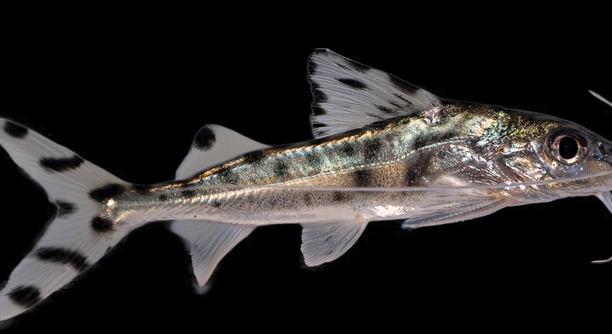
Pictus catfish are popular freshwater fish known for their active nature and distinctive spots. Many fishkeepers want to create a safe and comfortable environment for them. Understanding what makes these catfish feel secure helps improve their well-being.
Pictus catfish feel safe through factors like adequate hiding spots, calm water conditions, moderate lighting, appropriate tank mates, stable water parameters, ample swimming space, and regular feeding schedules. These conditions reduce stress and encourage natural behaviors, promoting their overall health.
Knowing these key elements can help you provide a better habitat. Ensuring your pictus catfish feels safe leads to a happier, healthier fish in your aquarium.
Hiding Spots Provide Security
Pictus catfish feel safest when they have places to hide. In their natural habitat, they use rocks, plants, and crevices to shelter themselves from predators and rest quietly. Providing similar hiding spots in your aquarium can reduce their stress and make them more comfortable. Decorations like caves, dense plants, and driftwood work well. When these fish have a spot to retreat to, they feel protected and can avoid feeling exposed. This is especially important during the day when they are less active. Without enough hiding places, pictus catfish may become skittish or hide constantly. Maintaining a balance of open swimming areas and hiding spots allows them to explore while having safe zones nearby. This setup encourages natural behavior and improves their overall well-being. Ensuring your tank includes varied textures and levels helps create an environment that meets their needs for both security and activity.
Having a few well-placed hiding spots can keep your pictus catfish calm and confident. It helps reduce stress and supports healthy behavior.
Along with hiding places, regularly checking that these spots remain clean and undisturbed is key. Over time, waste can build up in tight areas, which may affect water quality. Cleaning these spaces carefully during tank maintenance ensures a safe retreat for your fish. Avoid overcrowding the tank with too many decorations, as this can limit swimming space. Instead, focus on creating a few quality hiding places that blend naturally with the tank setup. These spots also allow you to observe your fish when they feel secure enough to come out. When pictus catfish use their hiding places freely, it is a good sign that they feel safe and at ease in their environment.
Calm Water Conditions Matter
Pictus catfish thrive best in calm water. Sudden or strong currents can stress them, making it harder to swim or rest. Maintaining steady water flow helps create a peaceful environment for them to explore and relax.
Water movement should mimic gentle streams rather than fast rivers. Using filters that provide adjustable flow or adding decorations that break up strong currents can improve tank conditions. This also supports their natural behavior and keeps them healthy. When water is calm, pictus catfish conserve energy and avoid unnecessary stress, which can prevent illness. A calm tank also allows other fish species to coexist peacefully, minimizing territorial conflicts. Paying attention to water conditions is an essential part of caring for pictus catfish properly. It helps create a stable home where they feel safe and behave naturally.
Moderate Lighting is Essential
Pictus catfish prefer moderate lighting because too much light makes them nervous. Bright lights expose them and limit their movement. Dim or filtered light replicates their natural environment and helps them feel safe.
Providing adjustable lighting or using floating plants can reduce brightness. This allows the catfish to find shaded areas when they want to rest. Too little light can affect plant growth, so a balance is necessary. Moderate lighting encourages natural activity without causing stress or hiding behavior. It creates a comfortable atmosphere where the fish feel secure enough to swim freely. Avoid harsh, direct lighting, especially during the day. Soft light that gently fills the tank promotes a calmer environment and supports their well-being.
Adjusting your tank’s lighting to a moderate level also helps prevent algae growth. Bright lights often encourage algae, which can harm water quality. Keeping light conditions stable maintains the health of the entire aquarium ecosystem, benefiting pictus catfish and other inhabitants.
Appropriate Tank Mates Improve Safety
Choosing the right tank mates is important for pictus catfish. Aggressive or large fish can threaten their safety and cause stress. Peaceful, similarly sized fish make better companions. This reduces chances of conflict and promotes calm behavior.
Tank mates should be non-aggressive and compatible with pictus catfish’s active, social nature. Species like small tetras, gouramis, or other peaceful community fish work well. Avoid fish that nip fins or compete aggressively for food, as this can cause anxiety. A well-planned community tank encourages positive interactions and shared space. It also makes your pictus catfish more confident and less likely to hide. Proper selection helps maintain a peaceful tank dynamic where all fish can thrive. Paying attention to this detail improves the overall aquarium experience for you and your fish.
Stable Water Parameters Are Crucial
Maintaining stable water parameters keeps pictus catfish comfortable and healthy. Sudden changes in temperature, pH, or hardness cause stress and illness. Regular testing and gradual adjustments prevent shocks.
Keeping temperature between 74°F and 79°F, pH around 6.5 to 7.5, and low ammonia levels supports their natural environment. Stability helps them feel secure and encourages normal behavior.
Ample Swimming Space Encourages Activity
Pictus catfish are active swimmers who need plenty of room. Crowded tanks limit movement and increase stress, making them feel unsafe. A larger tank with open areas supports their natural habits.
Regular Feeding Builds Trust
Consistent feeding schedules reassure pictus catfish that food will be available. This routine reduces anxiety and supports their overall health.
FAQ
What kind of hiding spots do pictus catfish prefer?
Pictus catfish like hiding spots that mimic their natural environment. They feel comfortable in caves, under driftwood, or among dense plants. These spots give them shelter and a sense of safety. You don’t need to overcrowd the tank but providing a few well-placed areas helps them relax and rest during the day.
How often should I check the water parameters?
Regular checks are important, ideally once a week. Monitoring temperature, pH, ammonia, nitrite, and nitrate levels helps catch problems early. Stability is key, so avoid sudden changes. If you notice unusual fish behavior, test the water immediately and take corrective action if needed.
Can pictus catfish live with other fish?
Yes, but tank mates should be peaceful and about the same size. Aggressive or overly large fish can stress pictus catfish. Good companions include small tetras, rasboras, and peaceful gouramis. Avoid fin-nippers or overly territorial fish to keep the environment calm.
Is strong water flow bad for pictus catfish?
Strong currents can cause stress and make swimming difficult. They prefer gentle, steady water flow similar to their natural habitats. Using filters with adjustable flow or adding decorations to break currents creates a better environment.
What lighting is best for pictus catfish tanks?
Moderate, indirect lighting works best. Too bright lighting makes them shy and stressed. Using floating plants or adjustable aquarium lights can soften harsh brightness and create shaded areas where they feel secure.
How much space do pictus catfish need?
A tank of at least 30 gallons is recommended for a small group. These catfish are active swimmers and need open space to move freely. Overcrowding limits their activity and increases stress.
How often should I feed pictus catfish?
Feed them once or twice daily with a varied diet. High-quality sinking pellets, frozen or live foods like bloodworms, and occasional vegetables provide good nutrition. Consistent feeding routines build trust and reduce stress.
What temperature range is ideal for pictus catfish?
They do best in water between 74°F and 79°F (23°C to 26°C). Keeping the temperature stable within this range prevents stress and supports their immune system.
Can pictus catfish live in a planted tank?
Yes, planted tanks are excellent for pictus catfish. Plants offer hiding spots, improve water quality, and create a natural setting. Choose hardy plants that can tolerate their active swimming habits.
How do I know if my pictus catfish feels safe?
Signs include regular swimming around the tank, using hiding spots without staying hidden all day, and showing normal feeding behavior. Calm, confident movements indicate they are comfortable in their environment.
Final Thoughts
Creating a safe environment for pictus catfish is essential for their well-being. These fish have specific needs that, when met, help them feel secure and comfortable in the aquarium. Providing enough hiding spots, maintaining stable water conditions, and choosing peaceful tank mates all contribute to their sense of safety. Each of these factors plays a role in reducing stress and encouraging natural behavior. When pictus catfish feel safe, they are more likely to swim actively, explore their surroundings, and eat regularly. It is important to remember that meeting these needs is a continuous effort and requires regular observation and care.
Lighting and water flow also affect how comfortable pictus catfish feel. Moderate lighting that is not too bright helps prevent stress, while calm water conditions support their natural swimming habits. Keeping the water parameters stable by testing regularly is necessary to avoid sudden changes that can harm the fish. Additionally, giving these catfish enough space to swim freely is important since they are active swimmers. Overcrowding can cause anxiety and limit their movement. When these conditions are met, pictus catfish tend to thrive and display their full range of behaviors.
Feeding routines and a well-planned tank environment complete the picture. Feeding pictus catfish consistently with a varied diet reassures them that their needs will be met. A planted tank with hiding spots and compatible tank mates helps reduce aggression and stress. By paying attention to these key factors, you ensure your pictus catfish have a safe and healthy home. Taking care of these details improves their quality of life and allows you to enjoy watching them flourish. Creating a secure environment takes effort but brings rewarding results in the long run.

Hello,
If you enjoy the content that we create, please consider saying a "Thank You!" by leaving a tip.
Every little bit helps us continue crafting quality advice that supports the health, happiness, and well-being of pets around the world, for pets of all shapes, sizes, and species.
We really appreciate the kindness and support that you show us!