
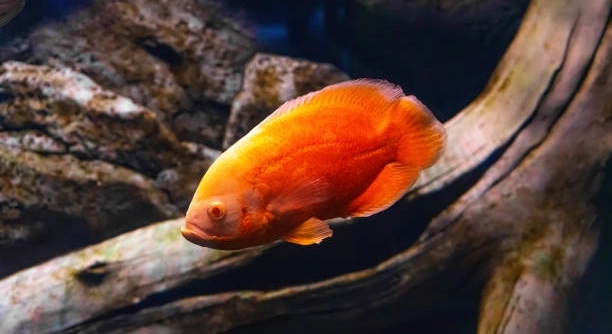
Oscar fish are known for their intelligence and strong personalities, but sometimes they can lose interest in their environment or their owners. This can be a frustrating experience for fish owners trying to maintain a healthy and engaging habitat.
Oscar fish may lose interest due to a variety of factors such as poor water quality, inadequate tank size, insufficient stimulation, or lack of interaction. Stress and changes in their environment, like sudden temperature shifts, can also lead to a decrease in interest.
Understanding the reasons behind your Oscar fish’s lack of engagement can help you address these issues and keep your pet healthy. We will guide you through these factors to ensure your fish remains active and interested in its environment.
Poor Water Quality
Water quality is crucial to your Oscar fish’s health. Dirty water can cause stress, affecting their behavior and overall well-being. If the water is not properly filtered or maintained, your fish may lose interest in swimming, eating, or interacting with their surroundings. Oscars thrive in clean, well-filtered water, with the right pH and temperature levels. A consistent routine for water changes is essential to keep the tank environment stable. It is also important to regularly check for ammonia, nitrite, and nitrate levels to avoid any harmful buildup.
Keeping the water clean is not just about aesthetics; it’s about ensuring your Oscar’s health. Low water quality often leads to disease or infections, which can further reduce their activity.
Regular maintenance and monitoring of your tank’s water can make a significant difference in your Oscar’s behavior. By staying on top of water quality, you can prevent the decline in interest that comes from an unhealthy living environment.
Tank Size and Space
Oscar fish are large and need space to swim freely. When they feel cramped, their activity levels decrease. Small tanks are one of the most common reasons for this lack of interest.
A tank that’s too small for your Oscar can lead to stress, causing them to lose interest in their environment. Ideally, your Oscar should have a tank of at least 75 gallons. Larger tanks allow the fish to explore and engage with their environment.
Giving your Oscar a spacious tank provides a healthier environment. Fish that feel restricted often become lethargic and uninterested in food or play. With more space, your Oscar will have the opportunity to swim, explore, and interact, keeping them active and engaged.
Lack of Stimulation
Oscar fish are highly intelligent and need mental stimulation to stay engaged. Without enough activities or new experiences, they may lose interest in their tank and surroundings. Simple changes in the environment, like rearranging decorations or adding new objects, can rekindle their curiosity.
Lack of stimulation can cause your Oscar to appear inactive, possibly just floating around in the tank with little interest. These fish need opportunities to hunt, explore, and interact with objects. Try providing different hiding spots or floating objects to encourage exploration and challenge their minds.
Consider offering new items like aquarium plants, rocks, or toys that they can interact with. This not only keeps them engaged but also mimics their natural habitat, where they constantly explore their surroundings for food and shelter. A more stimulating environment helps maintain their interest in their home.
Feeding Habits
The type and frequency of feeding can impact your Oscar’s interest in the tank. Overfeeding or inconsistent feeding can cause your fish to lose motivation to explore or interact. Maintaining a regular feeding schedule with a variety of foods will keep them engaged.
Oscars enjoy a varied diet that includes high-protein foods like pellets, shrimp, and worms. When their diet lacks diversity, they may lose interest in eating, which can contribute to a general lack of enthusiasm. By offering a mix of foods, you not only satisfy their nutritional needs but also provide them with the stimulation they crave.
Overfeeding can also result in lethargy, as they may feel full and not as active. Feed your Oscar smaller, more frequent meals to keep them active and engaged. Just as with humans, the right balance is crucial to their health and activity levels.
Stress and Anxiety
Stress can be a major factor in why your Oscar fish loses interest. Environmental changes, such as sudden temperature fluctuations, loud noises, or the introduction of new tankmates, can cause stress. Oscars are sensitive creatures and need a stable, calm environment.
Constant stress leads to lethargy and disinterest. They might spend more time hiding or in one spot, avoiding interaction with the tank. Ensuring that their environment remains steady and calm is key to keeping them healthy and engaged.
Lack of Interaction
Oscar fish are known to interact with their owners. If they don’t get enough attention or engagement, they can become uninterested. Regular interaction, such as feeding by hand or simply watching them, helps maintain a bond and keeps them active.
Oscar fish thrive on attention and can become bored if not given enough stimulation. Interacting with them daily encourages them to stay engaged. They are more likely to respond to movements around the tank when they feel connected to their owner.
Temperature Fluctuations
Oscars are sensitive to changes in temperature. If the water is too cold or too warm, they may become sluggish and disinterested in their surroundings. Maintaining a consistent temperature range between 75°F and 80°F is ideal for keeping your fish active.
A fluctuating temperature can be a major stressor, causing your Oscar to lose interest in exploring or eating. Using a reliable heater and thermometer ensures the temperature remains stable, which in turn keeps your fish healthy and engaged. Keeping a watchful eye on their environment can help prevent any issues.
FAQ
Why is my Oscar fish not eating?
There could be several reasons why your Oscar isn’t eating. Poor water quality, stress, or sudden changes in the environment are common causes. If the temperature is too high or too low, they may lose their appetite. Additionally, Oscar fish may refuse food if they feel threatened or are not comfortable in their environment. Check the water parameters and ensure they’re in a stable, comfortable range. Providing a variety of food types might also help spark their interest.
How can I tell if my Oscar fish is stressed?
Stress in Oscar fish can manifest in a few ways. You may notice unusual swimming patterns, such as erratic movements or hiding more than usual. They may also refuse to eat or become overly aggressive. Other signs of stress include rapid gill movement, discoloration, or clamped fins. It’s essential to identify the cause of the stress, such as poor water quality, overcrowding, or sudden changes in the tank environment, and address it quickly to help your Oscar recover.
What can I do to make my Oscar fish more active?
To encourage your Oscar to be more active, ensure they have a spacious tank with enough room to swim. Providing hiding spots, plants, and toys can stimulate curiosity and keep them engaged. Regular water changes, along with stable water conditions, will help prevent lethargy. Also, offering a varied diet with high-protein foods such as shrimp, worms, and pellets will help keep them interested and active. Interacting with your fish by feeding them by hand or spending time near the tank can also keep them engaged.
Is it okay to keep multiple Oscar fish in the same tank?
Keeping multiple Oscar fish together is possible, but it requires careful consideration. Oscars are territorial and can be aggressive, especially during breeding or if there’s not enough space. A large tank, at least 100 gallons, is necessary to house more than one Oscar. Make sure there are plenty of hiding spots and a layout that allows the fish to establish their own territories. Additionally, monitor their interactions closely to ensure that one doesn’t become overly aggressive or stressed by the others.
What’s the best tank size for an Oscar fish?
The best tank size for an Oscar fish is at least 75 gallons, though larger tanks are preferred. Oscars are large, active fish that need space to move around. A larger tank also helps maintain stable water conditions, which are crucial for their health. It’s important to remember that Oscars can grow quite large, up to 18 inches in length, so providing them with enough space will keep them active and reduce the risk of stress.
Can Oscar fish live with other species?
Oscar fish can live with other species, but it’s essential to choose tankmates carefully. Because Oscars are large and sometimes aggressive, it’s best to keep them with similarly sized, hardy fish that can handle their temperament. Avoid small or shy fish that could become prey for your Oscar. Fish such as large cichlids, catfish, or plecos tend to do well with Oscars. Always monitor their behavior to ensure that no fish is being harassed or stressed.
How often should I feed my Oscar fish?
Oscar fish should be fed once or twice a day, with smaller portions that they can consume in about 5 minutes. Overfeeding can lead to water quality issues and health problems. A varied diet is essential for their health, including a mix of pellets, frozen food, and occasional live foods like worms or shrimp. Make sure to remove any uneaten food from the tank after feeding to prevent it from decomposing and affecting the water quality.
Why is my Oscar fish chasing or attacking other fish?
Oscar fish are naturally territorial and may chase or attack other fish if they feel their space is being invaded. This behavior can be more pronounced if there are not enough hiding spots in the tank or if the other fish are smaller and perceived as threats. It may also happen during breeding periods or if the tank is overcrowded. To reduce aggression, ensure your tank is large enough, with plenty of hiding spaces for other fish. You can also consider separating aggressive Oscars from more peaceful tankmates if needed.
How do I know if my Oscar is sick?
Oscar fish can show signs of illness through changes in behavior, appearance, or both. Look for signs such as loss of appetite, lethargy, rapid gill movement, or abnormal swimming patterns. Physical symptoms like discoloration, sores, white spots on their body, or fins clamped to their sides can indicate illness. If you notice these symptoms, it’s crucial to check water parameters first. If the water is clean and conditions are stable, you may need to consult a veterinarian to diagnose and treat any potential health issues.
What is the ideal temperature for Oscar fish?
Oscar fish thrive in water temperatures between 75°F and 80°F. It’s important to maintain a consistent temperature, as fluctuations can stress your fish. Using a reliable aquarium heater and thermometer will help ensure that the temperature remains within the ideal range. Temperatures that are too high or too low can lead to lethargy, stress, and health issues, so keeping the water stable is essential for their well-being.
Why is my Oscar fish constantly swimming near the surface?
If your Oscar fish is spending a lot of time near the surface, it could be a sign of poor water quality, oxygen deficiency, or stress. Ensure that your tank has a proper filtration system and that the water is well-oxygenated. If the water quality is fine, it could simply be that your Oscar prefers the upper levels of the tank. However, if the fish also shows other signs of distress, such as rapid breathing, you should check the water parameters and make any necessary adjustments.
Final Thoughts
Oscar fish can be fascinating pets, but keeping them healthy and engaged requires attention to their environment and needs. As with any aquarium species, providing a stable, well-maintained habitat is essential. Regular water changes, proper filtration, and maintaining the right temperature are key to ensuring they stay healthy and active. Without these factors, Oscars may lose interest in their surroundings or become stressed, leading to health problems or behavioral changes.
Feeding them a balanced diet, monitoring their interactions with tankmates, and making sure they have enough space to swim are also important steps in keeping them engaged. Oscars are curious and intelligent fish that respond to their environment, so keeping them stimulated through interaction or by offering new tank features can encourage them to stay active. However, it’s also important not to overwhelm them with too many changes at once. Patience is crucial when caring for them.
Finally, understanding the signs of stress or illness in your Oscar fish allows you to act quickly and prevent further issues. Stress, poor water quality, or sudden changes in their environment can cause Oscars to lose interest, become aggressive, or even refuse food. Being observant and proactive will help you keep your Oscar fish in good health and ensure a long, happy life in your aquarium. With the right care, your Oscar fish can be a rewarding companion for years to come.

Hello,
If you enjoy the content that we create, please consider saying a "Thank You!" by leaving a tip.
Every little bit helps us continue crafting quality advice that supports the health, happiness, and well-being of pets around the world, for pets of all shapes, sizes, and species.
We really appreciate the kindness and support that you show us!