
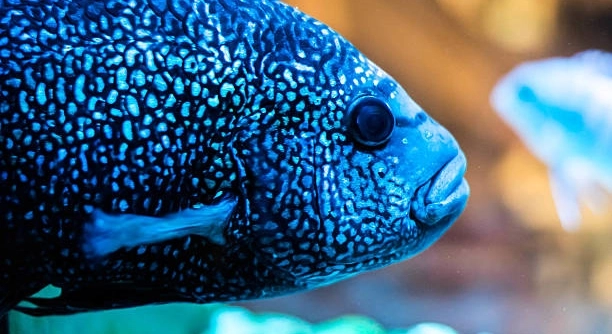
Have you ever noticed your Jack Dempsey fish swimming back and forth constantly across the tank? This pacing can be frustrating to watch, especially when you want your fish to feel calm and comfortable in its environment.
Jack Dempsey fish pace primarily due to stress, limited space, or environmental issues. Factors such as improper tank size, poor water quality, insufficient hiding spots, and inconsistent feeding routines contribute to this behavior, affecting their overall health and activity patterns.
Understanding these causes allows you to create a more suitable habitat, ensuring your fish remain healthy, active, and less prone to repetitive pacing behaviors.
Tank Size and Space
A Jack Dempsey fish needs ample room to swim freely. Small tanks restrict movement and often lead to pacing along the sides. Ideally, a tank should be at least 55 gallons for a single adult. Overcrowding worsens stress and increases aggressive behaviors. Adding hiding spots and decor helps break up open space, giving the fish areas to retreat. Observing your fish in a spacious tank often shows calmer, more natural behavior. Regular maintenance, including checking water quality and keeping the tank clean, complements proper sizing. Even subtle changes in layout can influence movement patterns. Avoiding tight corners or large empty areas encourages more relaxed swimming. Tank shape also matters; longer tanks allow horizontal swimming and reduce repetitive back-and-forth movement. Providing environmental enrichment improves both mental stimulation and physical activity, which in turn lowers stress. Adjusting tank size is one of the most effective steps for healthier pacing behavior.
Smaller tanks often lead to constant pacing and stress-related behaviors, highlighting the importance of proper space for Jack Dempsey fish.
Proper tank planning combines size, layout, and environmental enrichment. A longer tank supports natural swimming, while hiding spots reduce stress. Decorations, plants, and rocks break up open areas, giving fish choices in movement and rest. Consistent cleaning prevents water quality issues that can trigger repetitive behavior. Overcrowding is a major factor, as multiple fish competing for limited space increase tension. Observing daily habits can reveal pacing triggers, allowing adjustments in decor or placement. Even minor changes, like rearranging rocks or adding floating plants, can create new areas to explore and reduce boredom. Maintaining an optimal temperature and stable water parameters complements space considerations. Overall, combining tank size, structure, and care routines ensures a healthier, calmer environment that discourages excessive pacing. The fish’s well-being improves significantly when these elements are carefully managed.
Water Quality and Parameters
Poor water conditions directly affect Jack Dempsey fish behavior. Dirty or unbalanced water can cause stress and pacing.
Maintaining proper pH, temperature, and filtration is essential for calmer swimming. Regular testing prevents sudden changes that upset fish.
Water quality influences every aspect of a fish’s life. Jack Dempsey fish are sensitive to fluctuations in pH, hardness, and temperature. High levels of ammonia, nitrites, or nitrates cause irritation and stress, prompting continuous pacing. Consistent filtration and partial water changes help maintain a stable environment. Sudden shifts in temperature or chemical balance create anxiety, often reflected in repetitive movement patterns. Using reliable test kits and monitoring daily behavior ensures problems are detected early. Plants and proper substrate can aid in stabilizing water conditions while adding natural enrichment. Even minor neglect, like delayed cleaning or overfeeding, can reduce water quality and increase pacing tendencies. By keeping water parameters steady and monitoring changes, the fish experiences less stress, moves naturally, and develops healthier habits over time.
Stress from Tankmates
Jack Dempsey fish can become stressed when housed with aggressive or overly active tankmates. Conflicts over territory or competition for food often lead to pacing as a coping mechanism. Choosing compatible fish reduces tension and encourages calmer behavior.
Observing interactions among tankmates is crucial. Jack Dempsey fish are territorial by nature, and adding fish that occupy the same area or display aggressive tendencies can trigger constant movement. Smaller, non-aggressive species are ideal companions, as they allow space for the Dempsey to establish a safe zone. Avoid overcrowding, as limited space increases competition and stress. Providing hiding spots for all fish minimizes conflict. When stress levels decrease, pacing behavior diminishes, and the fish engages in more natural swimming patterns, exploring the tank at a relaxed pace.
Proper selection and monitoring of tankmates can prevent stress-related behaviors. Ensuring each fish has enough space and avoiding dominant species helps maintain a peaceful tank environment. Even subtle changes in fish population or placement can influence the Dempsey’s comfort level, allowing them to swim calmly. Regular observation and adjustments in stocking practices make a significant difference. Understanding natural territorial instincts ensures compatibility and reduces the likelihood of constant pacing. Creating clear zones and providing escape routes for less dominant fish further supports mental well-being and encourages balanced social interactions.
Feeding and Diet
Irregular feeding schedules or improper nutrition can cause Jack Dempsey fish to pace. Consistent routines and balanced diets support stable behavior.
A varied diet is essential to keep the fish healthy and engaged. Jack Dempsey fish require a mix of protein-rich foods, such as pellets, live or frozen insects, and occasional vegetables. Overfeeding leads to poor water quality, which can increase stress and pacing, while underfeeding leaves the fish restless and constantly moving. Monitoring portions and maintaining a predictable feeding schedule creates a sense of security. Nutritional deficiencies or sudden changes in diet can trigger anxiety or excessive energy, resulting in repeated movement. Including enrichment during feeding, such as hiding food or varying locations, encourages natural foraging behavior and reduces boredom. Maintaining proper nutrition not only improves health but also helps stabilize swimming patterns and reduces repetitive pacing.
Feeding methods directly influence behavior. Offering balanced meals at consistent times keeps Jack Dempsey fish focused and less anxious. Overfeeding or sudden diet changes disrupt routines, increasing movement and stress. Implementing enrichment strategies during feeding also promotes mental stimulation. A structured feeding plan supports healthy activity and calmer swimming habits.
Lack of Hiding Spots
Jack Dempsey fish need places to feel secure. Without adequate hiding spots, they pace constantly along the tank. Providing caves, plants, or decorations helps reduce stress and promotes calmer swimming.
Hiding areas give fish control over their environment. When Jack Dempseys can retreat, they feel safer and exhibit natural behaviors. Lack of shelter increases tension and repetitive movement.
Lighting Conditions
Excessively bright or inconsistent lighting can make Jack Dempsey fish uneasy. Adjusting light intensity and maintaining a consistent day-night cycle helps regulate their behavior and reduces pacing.
Water Flow
Strong currents or inconsistent water flow can stress Jack Dempsey fish. Gentle, steady circulation allows them to swim comfortably without fighting currents, lowering repetitive movement and pacing tendencies.
Overcrowding
Too many fish in a tank leads to competition and stress. Overcrowding limits space for Jack Dempsey fish, encouraging pacing and aggressive behavior. Proper stocking density ensures a calmer, more balanced environment.
FAQ
Why does my Jack Dempsey fish pace constantly?
Pacing is usually a sign of stress, boredom, or environmental issues. Limited tank space, poor water quality, aggressive tankmates, and lack of hiding spots can all trigger this repetitive behavior. Observing the tank carefully helps identify which factor is causing discomfort.
Can tank size affect pacing?
Yes, smaller tanks restrict natural swimming patterns. Jack Dempsey fish need at least 55 gallons for one adult to move freely. Longer tanks are better than tall ones, as they allow horizontal swimming. Proper space reduces stress and repetitive movement.
How does water quality influence pacing?
Unstable or dirty water increases stress. High ammonia, nitrites, or nitrates irritate fish, causing them to swim constantly. Maintaining pH, temperature, and filtration keeps water stable, helping the fish feel secure and swim naturally. Regular testing prevents sudden fluctuations.
Do tankmates impact pacing behavior?
Absolutely. Jack Dempsey fish are territorial. Aggressive or overly active tankmates can increase tension and trigger pacing. Selecting compatible, non-aggressive species, adding hiding spots, and avoiding overcrowding helps maintain calm behavior and reduces stress.
Can lighting affect pacing?
Yes, inconsistent or overly bright lighting makes the fish uneasy. Keeping a steady day-night cycle and adjusting light intensity ensures comfort. Gentle lighting helps fish feel secure, promoting natural swimming instead of repetitive movement along the tank walls.
Does diet influence pacing?
Feeding routines and nutrition directly affect behavior. Irregular schedules, overfeeding, or underfeeding can make fish restless. Providing balanced meals of pellets, live or frozen foods, and occasional vegetables encourages healthy activity. Using enrichment, like hiding food, also reduces boredom.
What role do hiding spots play?
Hiding areas reduce stress and pacing. Caves, plants, and decorations give Jack Dempsey fish control over their environment. Fish with places to retreat show calmer behavior, explore naturally, and feel safer in the tank.
Can water flow cause pacing?
Strong or inconsistent currents force the fish to fight water movement, increasing stress and repetitive swimming. Gentle, steady circulation allows comfortable swimming and reduces the need to pace, keeping the fish relaxed.
How do I know if pacing is serious?
Occasional pacing may be normal, but constant, repetitive movement signals stress or discomfort. Check tank size, water quality, tankmates, and environmental enrichment. Addressing these factors early prevents health issues and improves well-being.
Will adding decorations help?
Yes, decorations break up open space and provide hiding spots. Rocks, plants, and caves create new areas to explore, reducing boredom and encouraging calmer swimming patterns. Rotating or rearranging decorations can also stimulate natural exploration.
Does overcrowding cause pacing?
Overcrowding increases competition for food and territory. Jack Dempsey fish in crowded tanks are more likely to pace and show aggressive behaviors. Proper stocking density ensures each fish has space to swim freely and reduces tension.
How long does it take for pacing to stop after changes?
Improvements vary depending on the issue. Tank size adjustments, water quality stabilization, and environmental enrichment may take days to weeks. Consistent care, observation, and gradual changes help the fish adjust and display calmer behavior.
Can stress from handling cause pacing?
Yes, frequent netting or sudden changes can stress fish. Minimize handling and provide a stable environment. Reducing disturbances helps Jack Dempsey fish feel safe, decreasing repetitive swimming and pacing over time.
Are there signs that pacing is due to illness?
Pacing combined with other symptoms, such as loss of appetite, clamped fins, or unusual color changes, may indicate health problems. Consult a veterinarian or aquatic specialist if illness is suspected to prevent further complications.
Does temperature affect pacing?
Yes, unstable or incorrect water temperature can stress fish. Jack Dempsey fish prefer 75–82°F. Sudden changes make them restless and may trigger repetitive swimming. Using a reliable heater and monitoring temperature ensures comfort and reduces pacing.
How often should I check water parameters?
Daily observation and weekly testing of pH, ammonia, nitrites, nitrates, and temperature help maintain a stable environment. Frequent monitoring prevents sudden issues that could trigger pacing behavior in Jack Dempsey fish.
Can enrichment activities reduce pacing?
Yes, providing new hiding spots, rearranging decorations, and varying feeding locations stimulates natural behavior. These changes keep the fish mentally engaged and lower the need for repetitive movement.
Is pacing normal for young Jack Dempsey fish?
Some pacing may occur in juveniles as they explore and establish territory. However, persistent, repetitive swimming is usually linked to stress, limited space, or environmental issues that should be addressed early.
Do seasonal changes affect behavior?
Seasonal changes that alter temperature, light cycles, or tank routines can increase pacing. Maintaining consistent conditions year-round helps the fish feel secure and minimizes repetitive swimming.
Can pacing damage a fish’s health?
Prolonged stress from pacing can weaken the immune system, affect appetite, and lead to injuries from collisions with tank walls. Addressing the underlying causes ensures the fish remains healthy, active, and less prone to repetitive behaviors.
What is the most effective way to reduce pacing?
Providing a properly sized tank, stable water conditions, compatible tankmates, regular feeding, hiding spots, and gentle lighting collectively reduces stress. Combining these measures encourages natural behavior and calmer swimming habits. Regular observation helps fine-tune the environment.
How do I monitor progress?
Observe swimming patterns daily, noting reductions in back-and-forth movement. Track water parameters, feeding routines, and tankmate interactions. Gradual improvements indicate that changes are effective, while persistent pacing may require further adjustments or expert advice.
Are live plants beneficial?
Yes, live plants provide hiding areas, stabilize water quality, and offer enrichment. They create a more natural environment, encouraging exploration and reducing stress-induced pacing. Rotating or adding new plants can also stimulate curiosity and natural swimming behavior.
Can stress from tank rearrangement cause pacing?
Temporary pacing may occur after rearranging the tank, but it usually subsides as fish adapt. Gradual changes and providing familiar hiding spots help minimize stress and restore normal behavior.
Does social hierarchy influence pacing?
Yes, dominant or aggressive fish can trigger stress in Jack Dempseys. Establishing clear territory, providing hiding spots, and selecting compatible tankmates reduces stress-related pacing and supports balanced social interactions.
What role does filtration play?
Proper filtration maintains clean water and reduces chemical buildup. Strong or uneven flow can cause pacing, while steady filtration ensures a comfortable environment and minimizes stress-induced repetitive movement.
Is pacing reversible?
Yes, most pacing behaviors improve once stressors are addressed. Proper tank setup, nutrition, compatible companions, and environmental enrichment allow Jack Dempsey fish to swim naturally again. Regular care and observation support long-term behavioral improvement.
How long should pacing be monitored?
Continuous observation over weeks is recommended. Tracking behavior before and after adjustments helps identify triggers and confirm whether environmental changes are effective in reducing repetitive swimming.
Do Jack Dempsey fish ever pace for no reason?
Occasional pacing can occur during exploration or after feeding, but constant, repetitive movement usually signals stress, environmental issues, or health problems that should be addressed promptly.
How can I prevent pacing in the future?
Consistent tank maintenance, proper size, compatible tankmates, hiding spots, balanced diet, and stable lighting all prevent stress-related pacing. Regular monitoring ensures the fish remain calm and active, promoting long-term well-being.
Are there behavioral signs that indicate improvement?
Reduced pacing, more relaxed swimming, exploring decorations, and engaging with tankmates are positive indicators. Gradual changes in behavior show that environmental adjustments are working effectively.
Can enrichment alone stop pacing?
Enrichment helps but is most effective when combined with proper tank size, water quality, nutrition, and compatible companions. A holistic approach ensures the fish feel secure and stimulated.
Is pacing always visible during the day?
Not necessarily. Jack Dempsey fish may pace more during feeding times or when stressed by environmental changes. Monitoring at different times helps understand behavior patterns.
How do I balance activity and calm behavior?
Providing space, hiding spots, gentle lighting, stable water parameters, and varied feeding encourages natural exploration while reducing stress. Observing daily ensures a healthy balance between activity and rest.
Do temperature fluctuations cause pacing even if water is clean?
Yes, sudden changes in temperature cause stress regardless of water clarity. Maintaining consistent temperatures prevents unnecessary pacing and keeps the fish comfortable.
Can pacing be a sign of boredom?
Yes, lack of stimulation or environmental variety may lead to repetitive swimming. Adding plants, decorations, and varied feeding routines reduces boredom and encourages natural behavior.
How often should I rearrange decorations to prevent pacing?
Minor changes every few weeks keep the environment engaging without causing stress. Gradual rearrangements stimulate exploration and reduce repetitive movement, helping the fish stay active and calm.
Are Jack Dempsey fish more prone to pacing than other species?
They are naturally territorial and sensitive to environmental changes, making them more likely to pace if their needs aren’t met. Proper tank management minimizes stress and repetitive behaviors.
Do stress hormones affect pacing?
Yes, prolonged stress raises cortisol levels, causing anxiety and repetitive movement. Reducing stressors through proper care and environment management helps normalize swimming behavior.
Can pacing affect growth or development?
Chronic stress from pacing may impact appetite, energy levels, and overall health. Maintaining optimal conditions supports growth, proper nutrition, and natural swimming habits.
Is pacing more common in certain ages?
Juveniles may pace occasionally during exploration, but persistent pacing in adults usually indicates environmental or health stressors. Addressing issues early prevents long-term behavioral problems.
How does tank shape influence pacing?
Longer tanks promote horizontal swimming and reduce repetitive back-and-forth movement. Tall, narrow tanks limit space and often increase pacing tendencies in Jack Dempsey fish.
Can sudden loud noises trigger pacing?
Yes, external disturbances like banging or sudden vibrations can stress the fish temporarily. Minimizing such noise helps maintain calm swimming behavior.
Is pacing always visible on the tank surface?
Not always. Fish may pace near walls, decorations, or at mid-depths. Observing all areas of the tank gives a complete understanding of movement patterns.
How do I know if my adjustments are effective?
Reduced repetitive swimming, calmer exploration, and improved interaction with tankmates indicate progress. Documenting behavior over days or weeks confirms successful environmental changes.
Can pacing be completely eliminated?
With proper care, pacing can be minimized significantly. Occasional exploration-related movement may persist, but chronic stress-induced pacing should be greatly reduced with consistent management.
Does changing water too often cause pacing?
Sudden large water changes can temporarily stress fish. Gradual, partial changes maintain stability and prevent anxiety-induced repetitive movement.
How long does it take for Jack Dempsey fish to adjust to a new tank?
Adjustment varies but usually takes a few days to a couple of weeks. Providing hiding spots, gentle lighting, and stable conditions accelerates acclimation and reduces pacing.
What is the first step to stop pacing?
Identify the main stressor, whether it’s tank size, water quality, tankmates, or enrichment. Addressing this promptly ensures faster improvement and healthier behavior.
Are there long-term effects of pacing?
Chronic pacing can lead to stress-related health issues, weaker immunity, and reduced lifespan. Early intervention promotes a calmer, healthier fish and prevents complications.
Can pacing indicate fear?
Yes, fear from aggressive tankmates, sudden movements, or poor water conditions often manifests as pacing. Reducing stressors helps the fish feel secure.
How often should I observe my fish for pacing?
Daily observation is ideal. Noting patterns over time helps detect triggers, track improvements, and ensure the fish remains comfortable and active.
Do Jack Dempsey fish pace more at certain times?
Pacing may increase during feeding, after disturbances, or when environmental changes occur. Observing at different times helps understand triggers and adjust care practices.
Can pacing affect social interactions?
Yes, stressed fish may become aggressive or withdrawn. Proper environment, hiding spots, and compatible tankmates improve social behavior and reduce repetitive movement.
Are there environmental factors outside the tank that influence pacing?
Yes, room temperature changes, vibrations, and lighting from nearby windows can impact fish behavior. Maintaining a stable, quiet environment helps reduce stress.
Can pacing lead to injury?
Continuous movement along tank walls or bumping into decorations may cause minor injuries. Providing sufficient space and safe hiding spots minimizes the risk of harm.
Do Jack Dempsey fish pace more in community tanks?
They are territorial, so pacing can increase if space is limited or tankmates are aggressive. Proper stocking and environmental management reduce tension.
Does feeding location affect pacing?
Yes, placing food consistently in one spot may trigger repetitive swimming if the fish anticipates feeding. Varying locations encourages natural foraging and reduces stress.
Are there behavioral signs that pacing is improving?
Slower, more exploratory swimming, using hiding spots, and interacting with tankmates calmly indicate reduced stress and better adaptation to the environment.
Can pacing be a temporary adjustment period?
Yes, new tanks, rearranged decorations, or recent changes may cause temporary pacing. Consistent conditions and gradual adjustments help the fish settle quickly.
How can I prevent pacing after maintenance or changes?
Introduce changes gradually, maintain stable water parameters, and provide familiar hiding spots. This minimizes stress and encourages natural, relaxed swimming behavior.
Is it normal for Jack Dempsey fish to pace at night?
Typically, pacing should decrease during the night. Constant night-time movement may indicate stress, discomfort, or improper lighting conditions, which should be addressed.
Do tank decorations influence pacing frequency?
Yes, well-placed plants, rocks, and caves break open areas, provide shelter, and encourage natural exploration, reducing repetitive swimming along tank walls.
Can pacing indicate a health problem even with proper care?
Occasionally, yes. If pacing continues despite optimal tank conditions, it may be linked to illness or internal stress, and veterinary advice should be sought.
Are there simple tests to identify pacing triggers?
Observing behavior while adjusting one variable at a time—tankmates, water quality, lighting, or decor—helps pinpoint the cause. Tracking responses allows for targeted interventions.
How do I know if pacing is due to boredom?
If environmental factors are ideal but the fish still swims repetitively, introducing enrichment like plants, caves, or varied feeding encourages engagement and reduces boredom.
Does water hardness impact pacing?
Yes, Jack Dempsey fish prefer moderately hard water. Sudden changes in hardness can stress fish and increase repetitive movement. Stable parameters reduce pacing tendencies.
Can pacing return after improvement?
Yes, if environmental conditions worsen or stressors reappear, pacing may resume. Consistent care and observation are key to maintaining calm behavior.
Is pacing different in males and females?
Behavioral tendencies may vary slightly, but both sexes can pace due to stress, environmental issues, or boredom. Proper care benefits all fish regardless of sex.
Do seasonal lighting changes affect pacing?
Yes, natural light fluctuations can influence behavior. Maintaining a consistent artificial day-night cycle stabilizes activity and reduces stress-induced pacing.
Are there subtle signs before pacing begins?
Restlessness, frequent darting, and hiding more than usual can precede repetitive pacing. Early observation helps prevent prolonged stress and encourages proactive adjustments.
Does tank shape influence pacing patterns?
Longer horizontal tanks reduce back-and-forth movement compared to tall, narrow tanks. Providing sufficient horizontal space allows natural swimming and minimizes pacing.
Can pacing indicate aggression toward other fish?
Yes, stressed or territorial Jack Dempsey fish may pace as a precursor to aggression. Providing space, hiding spots, and compatible tankmates reduces tension and aggressive behaviors.
Does pacing affect appetite?
Prolonged stress from pacing can decrease appetite or make feeding inconsistent. Reducing stressors ensures the fish eats normally and maintains proper nutrition.
Are there external environmental factors that worsen pacing?
Loud noises, vibrations, and sudden room changes can stress fish. Minimizing external disturbances supports calm behavior and reduces repetitive swimming.
How do I know if my adjustments are effective long-term?
Consistent reduction in pacing, calm interactions with tankmates, and normal feeding habits over weeks indicate successful changes and a stable, stress-free environment.
Can pacing behavior return after adding new tankmates?
Yes, introducing new fish may temporarily trigger stress and pacing. Proper acclimation, compatible species, and monitoring reduce prolonged repetitive behavior.
Does tank cover or lid affect pacing?
A secure lid reduces sudden disturbances and provides a sense of safety, helping Jack Dempsey fish feel secure and swim naturally without excessive pacing.
Is pacing more common in captivity than in the wild?
Yes, limited space, artificial environments, and stressors in captivity increase pacing frequency. Providing enriched, stable conditions helps mimic natural habitats and reduces repetitive behavior.
Can pacing be reduced without changing tankmates?
Yes, improving tank size, water quality, hiding spots, lighting, and enrichment reduces pacing even if tankmates remain the same. Environmental adjustments significantly influence behavior.
Do Jack Dempsey fish pace when sick even with proper conditions?
Illness can trigger pacing regardless of environment. Signs like color changes, clamped fins, or lethargy alongside pacing may indicate a health issue requiring attention.
How do I balance stimulation and calm in the tank?
Provide hiding spots, plants, gentle lighting, consistent feeding, and adequate space. This supports natural exploration while reducing stress and repetitive movement.
Are there signs that pacing is completely resolved?
Natural swimming patterns, calm interactions, regular feeding, and use of hiding spots indicate pacing is minimized, and the fish has adapted well to the environment.
Can pacing be prevented from the start?
Yes, providing a large tank, stable water conditions, compatible tankmates, hiding spots, balanced diet, and consistent lighting from the beginning reduces the likelihood of stress-induced pacing.
Do Jack Dempsey fish pace more when breeding?
During breeding, territorial behavior increases, which may include pacing. Providing ample space and hiding areas helps manage stress and minimize repetitive swimming.
Is pacing affected by water changes?
Sudden, large water changes can temporarily trigger pacing. Gradual, partial changes maintain stability and comfort, reducing stress-related movement.
Can pacing indicate curiosity instead of stress?
Occasionally, exploration-related movement may resemble pacing, but continuous back-and-forth swimming is usually linked to stress, boredom, or environmental issues rather than curiosity.
Does feeding frequency influence pacing?
Irregular feeding schedules increase restlessness. Predictable routines and portion control help the fish feel secure and reduce repetitive swimming.
Are there subtle signs of improvement besides reduced pacing?
Normal swimming, exploration of decorations, calm interactions with tankmates
Final Thoughts
Jack Dempsey fish are beautiful and lively, but their pacing behavior can be concerning. Understanding the reasons behind their movement is key to creating a calm and healthy environment. Many factors, including tank size, water quality, tankmates, hiding spots, lighting, and feeding routines, influence how these fish behave. Small tanks or overcrowding often lead to repetitive back-and-forth swimming, as fish feel confined or stressed. Similarly, poor water quality with high ammonia, nitrites, or nitrates can irritate them, prompting constant movement. Maintaining a stable, clean tank with the proper parameters is essential to reducing stress and promoting natural swimming patterns. Observing the fish daily allows you to notice changes in behavior early and take corrective measures before pacing becomes a long-term habit.
Behavioral enrichment is another important aspect. Jack Dempsey fish benefit from decorations, caves, plants, and other elements that break up open areas. Hiding spots provide security, giving the fish control over their environment and reducing anxiety. Rearranging or adding new decorations occasionally encourages natural exploration and prevents boredom. Lighting also plays a role in pacing behavior. Consistent light cycles with moderate intensity help the fish feel safe and support normal activity. Feeding practices are equally significant. Regular schedules, balanced diets, and occasionally hiding food or varying feeding locations stimulate natural foraging instincts, reducing repetitive swimming. Even subtle adjustments, like improving water flow or adjusting tankmate combinations, can make a noticeable difference in how the fish moves and interacts within the tank.
Pacing is rarely caused by a single factor, so a holistic approach works best. Addressing tank size, water parameters, enrichment, social dynamics, and feeding together creates a supportive environment for Jack Dempsey fish. Stress reduction is the main goal, as calmer fish swim naturally, eat well, and maintain better overall health. Long-term observation and consistent care are necessary to sustain improvements. By paying attention to the fish’s needs and adjusting the environment when necessary, pacing can be minimized or even eliminated. A thoughtful approach ensures the fish thrive while maintaining their vibrant colors and lively personalities, resulting in a healthier, more enjoyable tank for both the fish and the caretaker.

Hello,
If you enjoy the content that we create, please consider saying a "Thank You!" by leaving a tip.
Every little bit helps us continue crafting quality advice that supports the health, happiness, and well-being of pets around the world, for pets of all shapes, sizes, and species.
We really appreciate the kindness and support that you show us!