
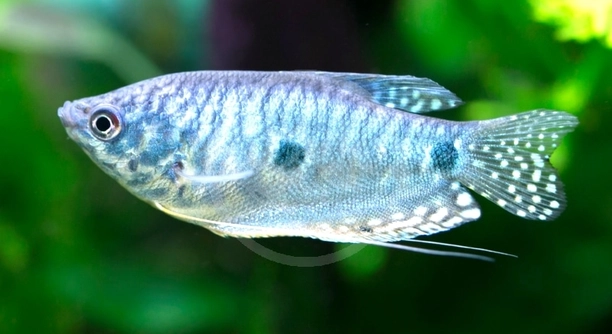
Gouramis are popular aquarium fish known for their vibrant colors and peaceful nature. However, they sometimes spend long hours hiding, which can worry their owners. Understanding why they behave this way helps create a better environment for these fish.
Gouramis hide for several reasons, including stress, poor water quality, illness, lack of hiding places, sudden changes in environment, aggressive tank mates, and improper diet. Identifying these causes is essential to ensure their well-being and reduce hiding behavior.
Knowing these factors can improve your gourami’s comfort and health. The following points explain common reasons why gouramis choose to stay hidden throughout the day.
Stress and Its Impact on Gourami Behavior
Stress is one of the main reasons gouramis hide for long periods. Sudden changes in their environment, such as moving the tank or adding new fish, can cause stress. Loud noises or excessive activity around the tank also contribute. Stress weakens their immune system, making them more vulnerable to disease. When stressed, gouramis seek shelter to feel safe. They often retreat to plants, decorations, or corners of the tank. Reducing stress involves maintaining a stable environment and minimizing disturbances. Consistent lighting and a calm atmosphere help gouramis feel secure. Regular feeding at the same times also provides a sense of routine. Observing their behavior closely helps detect stress early, preventing health problems. A stress-free environment encourages gouramis to be more active and display their natural colors. Avoid overcrowding the tank to reduce competition and stress. Providing enough space and hiding spots supports their well-being.
Stress in gouramis results from environmental changes, noise, and tank overcrowding. Reducing these factors helps prevent hiding and promotes healthier behavior.
Keeping a calm, stable environment with consistent routines is key. Gradually introduce any changes to avoid startling the fish. Use plants and decorations to create hiding places, allowing gouramis to feel secure without constantly hiding. Pay attention to their response to new tank mates, as aggression can increase stress. Feeding a balanced diet also strengthens their resilience. With these adjustments, gouramis will spend more time swimming freely and less time hiding.
Poor Water Quality and Its Effects on Gouramis
Poor water quality quickly affects gourami health and behavior. High levels of ammonia, nitrites, or nitrates stress fish and encourage hiding. Unstable pH or temperature changes can also cause discomfort. Regular water testing and partial water changes are necessary to maintain clean water. Using a reliable filtration system helps keep toxins low. Avoid overfeeding, as leftover food decays and pollutes the tank. Clean substrate and decorations reduce waste buildup. Proper maintenance prevents disease and stress linked to poor water conditions. A stable environment allows gouramis to thrive and show natural behaviors. Clean water improves oxygen levels, which gouramis need to stay active. Keeping water parameters within recommended ranges is essential for long-term health.
Maintaining good water quality requires consistent testing, cleaning, and filtration to ensure a safe habitat for gouramis.
Inadequate water conditions cause stress, illness, and hiding in gouramis. Regularly test for ammonia, nitrites, nitrates, pH, and temperature. Partial water changes, usually 20-30% weekly, remove harmful substances. Avoid overcrowding, which leads to rapid waste buildup. Use a filter rated for your tank size and clean it regularly to maintain efficiency. Remove uneaten food and debris to prevent water contamination. Monitoring water quality parameters closely helps detect problems early, allowing timely intervention. Well-maintained water supports healthy skin, gills, and immune function. Gouramis kept in stable water conditions remain active, feed well, and display brighter colors. Prioritize water quality to reduce hiding behavior and promote overall well-being.
Illness and Disease
Illness causes gouramis to hide as a natural response to feeling weak or vulnerable. Common symptoms include lethargy, loss of appetite, and faded colors.
Gouramis are prone to bacterial, fungal, and parasitic infections that affect their health. Stress and poor water quality often weaken their immune systems, making them more susceptible. Treating illnesses early with appropriate medication is crucial. Quarantining sick fish can prevent disease spread. Observing for unusual behavior or physical changes helps catch problems before they worsen. Maintaining clean water and a balanced diet supports recovery and prevention.
Illness can also cause internal issues like swim bladder problems, which make movement difficult. This discomfort often drives gouramis to hide. Providing a calm environment and monitoring health closely can help them regain strength and reduce hiding time.
Lack of Hiding Spots
Gouramis hide less when there are adequate shelters in the tank. A lack of hiding spots leaves them feeling exposed and unsafe, causing more stress and withdrawal.
Adding plants, rocks, and decorations creates secure places for gouramis to retreat. These spots reduce anxiety and encourage natural behavior. Hiding places mimic their natural habitat, making them comfortable. Without enough cover, gouramis may become shy or stressed, hiding only out of necessity. Providing varied hiding spots allows them to explore and rest as needed, balancing activity and safety.
Regularly rearranging decorations can keep the environment stimulating, preventing boredom. Ensure hiding spots are easy to access and placed in quieter tank areas. This helps gouramis feel protected without constantly retreating. The right balance of open space and shelter improves overall well-being and reduces prolonged hiding.
Sudden Changes in Environment
Gouramis are sensitive to sudden changes like moving the tank or altering water parameters. These shifts can cause stress and hiding.
Maintaining a stable environment with gradual changes helps gouramis adjust better. Sudden disruptions make them feel unsafe, prompting retreat to hiding spots.
Aggressive Tank Mates
Aggressive or overly active fish intimidate gouramis, forcing them into hiding. Peaceful tank mates reduce this stress.
Choosing compatible species prevents bullying and creates a balanced community tank where gouramis feel secure and comfortable.
Improper Diet
A poor diet weakens gouramis and reduces their energy, causing them to hide more. Balanced nutrition supports activity and health.
Why does my gourami hide all day?
Gouramis hide most often because they feel stressed, unsafe, or unwell. Stress can come from poor water conditions, aggressive tank mates, or sudden changes in their environment. Illness and lack of proper hiding places also make them retreat. When gouramis hide, it is a sign they are trying to protect themselves.
How can I reduce my gourami’s hiding?
Create a stable tank environment with clean water, proper temperature, and pH. Provide plenty of plants and decorations to offer safe hiding spots. Avoid overcrowding and choose peaceful tank mates. Keep feeding consistent and monitor for signs of illness. Gradual changes in the tank help reduce stress.
Is it normal for gouramis to hide during the day?
Gouramis are generally active but may hide during the day if they feel threatened or uncomfortable. Some species naturally prefer shaded or covered areas. However, constant hiding is a sign something is wrong with the environment or their health.
Can poor water quality cause hiding behavior?
Yes. High ammonia, nitrite, or nitrate levels cause stress and sickness, making gouramis seek shelter. Regular water testing and partial water changes are essential to keep water safe. A good filtration system also helps maintain water quality.
What role do tank mates play in hiding?
Aggressive or fast-moving fish can scare gouramis, causing them to hide more. Selecting peaceful species that match gouramis’ temperament encourages social harmony. Avoid mixing gouramis with aggressive or territorial fish to reduce stress.
How important are hiding spots for gouramis?
Hiding spots are crucial for gouramis to feel secure. Plants, caves, and decorations give them places to rest and reduce stress. Without enough cover, gouramis may feel exposed and hide constantly, affecting their health and behavior.
Can diet affect hiding behavior?
Yes. Poor nutrition weakens gouramis and reduces their energy, causing lethargy and hiding. Feeding a balanced diet with high-quality flakes, pellets, and occasional live or frozen foods supports health and activity levels.
How do I know if my gourami is sick?
Look for signs like faded colors, clamped fins, loss of appetite, lethargy, or unusual swimming. Illness often causes hiding. Early detection and treatment improve recovery chances. Quarantine new fish to prevent spreading diseases.
Does lighting affect gouramis hiding?
Bright or sudden changes in lighting can stress gouramis. Soft, consistent lighting with shaded areas helps them feel safe. Avoid placing the tank in direct sunlight or noisy locations.
How long should gouramis hide before it’s a concern?
Short periods of hiding are normal. If hiding lasts several days or is accompanied by other signs like poor appetite or color loss, it indicates a problem. Investigate water quality, tank conditions, and health immediately.
Can overcrowding cause gouramis to hide?
Overcrowding increases stress and competition for space and food. Gouramis may hide more to avoid aggression or feeling crowded. Ensure tank size matches fish numbers and species to provide enough space.
Should I move my gourami to a new tank if it hides too much?
Moving a stressed fish can cause further hiding if done abruptly. Instead, improve the current tank conditions slowly. Only consider moving if the environment cannot be corrected or if aggression is unavoidable.
What’s the best way to introduce new gouramis to an existing tank?
Introduce new fish gradually using a quarantine tank first. When adding to the main tank, rearrange decorations to break up territories and reduce aggression. Monitor interactions closely during the first few days.
Can temperature fluctuations cause hiding?
Yes. Gouramis prefer stable temperatures. Sudden drops or rises cause stress and hiding. Use a reliable heater and thermometer to maintain consistent temperature within the recommended range for gouramis.
How often should I clean my gourami’s tank?
Regular maintenance prevents poor water quality that leads to hiding. Perform partial water changes weekly, clean the substrate, and check filters monthly. Avoid full water changes as they cause stress. Consistency keeps gouramis healthy and visible.
These answers cover the most common reasons gouramis hide and provide practical steps to improve their comfort and activity. Addressing these factors helps maintain healthy, happy fish in a well-balanced aquarium environment.
Gouramis hiding all day is often a sign that something in their environment or health needs attention. They naturally seek shelter when they feel stressed, scared, or unwell. Many factors can cause this behavior, such as poor water quality, aggressive tank mates, or lack of hiding spots. Observing your gourami’s behavior and tank conditions closely is important to identify any issues. Addressing these factors will help your fish feel safer and more comfortable in their home.
Maintaining a stable and clean tank environment is key to reducing hiding behavior. Regular water testing and partial water changes keep water parameters safe for gouramis. Providing enough plants, caves, or decorations offers secure places for them to retreat without feeling constantly threatened. Choosing peaceful tank mates that do not bully or intimidate gouramis also helps. Feeding a balanced diet supports their health and energy levels, encouraging more natural and active behavior. Small changes to the tank setup and routine care can greatly improve your gouramis’ quality of life.
Patience is important when dealing with hiding behavior. Gouramis may take time to adjust after changes or recover from illness. It is normal for them to seek shelter occasionally, but prolonged hiding signals a need for action. By paying close attention to their needs and making improvements step by step, gouramis can regain confidence and display more active, healthy behavior. Ensuring a calm, safe environment benefits all fish in the tank, leading to a more enjoyable aquarium experience overall.

Hello,
If you enjoy the content that we create, please consider saying a "Thank You!" by leaving a tip.
Every little bit helps us continue crafting quality advice that supports the health, happiness, and well-being of pets around the world, for pets of all shapes, sizes, and species.
We really appreciate the kindness and support that you show us!