
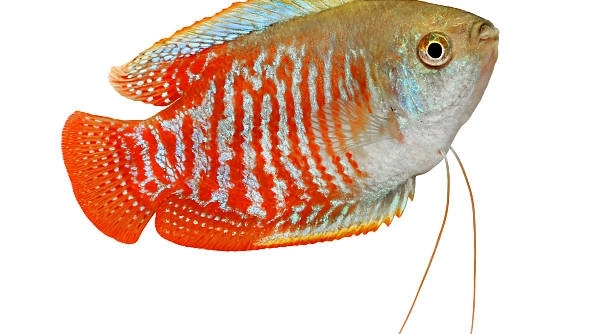
Gouramis are popular freshwater fish often kept in home aquariums. Like many creatures, they can experience feelings of insecurity. Recognizing what makes them uneasy helps create a better environment for their well-being.
Gouramis feel insecure due to factors like poor water quality, overcrowding, lack of hiding spots, aggressive tank mates, sudden changes in environment, improper diet, and inconsistent lighting. These conditions cause stress and affect their behavior and health.
Learning about these causes can help you improve your gourami’s comfort and happiness in your tank. Taking small steps to address these issues benefits their overall care and quality of life.
Poor Water Quality
Water quality plays a big role in how comfortable gouramis feel in their tanks. When water isn’t clean, it can cause stress and illness. High levels of ammonia, nitrites, or nitrates are harmful and make gouramis feel unsafe. Uneven pH or temperature changes also upset them. These conditions weaken their immune system, making them vulnerable to diseases. Many gourami owners don’t realize how sensitive these fish are to their environment. Regular water tests and timely changes keep their habitat healthy. Using a reliable filter and avoiding overfeeding helps maintain clean water. Providing stable conditions supports the fish’s natural behavior and reduces their anxiety.
Keeping water fresh and balanced is key to a happy gourami. Simple steps like weekly water changes and careful monitoring prevent many problems.
Taking care of water quality protects gouramis from stress and health issues. When water is clean and stable, gouramis swim calmly, eat well, and display their natural colors. They thrive in a tank where the environment feels safe and steady.
Overcrowding and Aggressive Tank Mates
Overcrowding can make gouramis feel trapped and threatened. Too many fish in one tank cause competition for space, food, and oxygen. This leads to stress and aggression. Gouramis prefer having room to swim freely. Aggressive tank mates add to their insecurity by chasing or nipping at them. Choosing peaceful companions is essential to their comfort.
When gouramis share a tank with aggressive or overly active fish, their behavior changes. They hide more and may stop eating. Stress weakens their immune system, increasing the risk of illness. To avoid this, keep the tank size appropriate and select tank mates carefully. Peaceful species like tetras or rasboras usually work well. Adding plants or decorations gives gouramis hiding spots where they feel protected. A balanced and calm environment helps gouramis stay confident and healthy. Watching your fish’s behavior can signal when changes are needed for their well-being.
Lack of Hiding Spots
Gouramis need places to hide to feel secure. Without enough shelters, they become stressed and shy.
Providing plants, caves, or decorations gives gouramis safe spaces to retreat when they feel threatened. These hiding spots reduce stress and encourage natural behaviors like resting and exploring quietly. Without such cover, gouramis may hide less and become more skittish.
Hiding spots also help reduce conflicts with tank mates by giving each fish its own territory. Live plants are especially good because they improve water quality and offer natural cover. Creating a well-decorated tank helps gouramis feel more confident and comfortable.
Sudden Changes in Environment
Sudden changes in water temperature, lighting, or tank setup can upset gouramis quickly. These fish thrive on routine and stability.
When the environment changes abruptly, gouramis may become stressed, hide excessively, or stop eating. They need time to adjust to any new conditions. Gradual changes help avoid shock and allow them to stay healthy.
Even moving the tank or rearranging decorations can confuse gouramis. Keeping their surroundings consistent supports their well-being. Patience and careful adjustments make a big difference in how secure gouramis feel.
Improper Diet
Gouramis need a balanced diet to stay healthy and confident. Feeding them only one type of food can cause nutritional gaps.
A varied diet including flakes, pellets, and occasional live or frozen foods keeps gouramis strong and active. Proper nutrition supports their immune system and reduces stress.
Inconsistent Lighting
Lighting that changes too much or is too bright can make gouramis uneasy. They prefer gentle, consistent light that mimics their natural habitat.
Bright or flickering lights can cause stress, making gouramis hide or become restless. Using a timer for lights helps maintain a steady day-night cycle, which keeps them calm and secure.
Tank Size Too Small
Small tanks limit space for gouramis to swim freely. This restriction increases stress and aggression.
A larger tank with enough room lets gouramis explore and establish territory, which improves their overall comfort and reduces insecurity.
What are common signs that my gourami feels insecure?
When gouramis feel insecure, they often hide more than usual or stay near the bottom of the tank. You might notice them being less active or refusing food. They can also show stress signs like rapid breathing, clamped fins, or faded colors. Sometimes, they may swim erratically or avoid other fish to protect themselves. Watching for these behaviors helps identify if your gourami is feeling uneasy.
How can I improve water quality to reduce my gourami’s insecurity?
Regular water changes are essential to keep the water clean and safe. Test water for ammonia, nitrites, and nitrates weekly to ensure levels remain low. Avoid overfeeding since uneaten food pollutes the water. Using a good filter helps remove waste and keeps the tank clear. Maintaining stable temperature and pH levels also reduces stress. Clean water supports your gourami’s health and helps them feel secure.
Why do hiding spots matter so much for gouramis?
Gouramis need places to retreat when they feel threatened or stressed. Hiding spots help reduce anxiety and give them a sense of safety. Without cover, they may feel exposed and stressed, which can lead to health problems. Adding plants, caves, or decorations creates natural hiding places. This encourages calm behavior and lets gouramis rest away from aggressive tank mates or sudden movements.
Can the wrong tank mates make my gourami feel insecure?
Yes, aggressive or overly active fish can scare gouramis and increase their stress. Tank mates that chase or nip cause anxiety and force gouramis into hiding. It’s best to choose peaceful species that get along well with gouramis, like small tetras or rasboras. Providing enough space and hiding spots helps reduce conflicts and makes the tank a safer place for everyone.
How does inconsistent lighting affect gouramis?
Gouramis are used to natural light cycles, so sudden changes or overly bright lights can stress them out. Flickering or very strong light makes them nervous, causing hiding or restless swimming. Using a timer to keep light on a steady schedule helps gouramis adapt and feel secure. Soft, diffused lighting that mimics their natural environment is ideal.
What role does diet play in my gourami’s sense of security?
A poor diet weakens gouramis and lowers their resistance to stress and illness. Feeding only flakes or one type of food isn’t enough. Including a mix of pellets, flakes, and occasional live or frozen foods gives them the nutrients they need. Healthy gouramis are more active and confident. Proper feeding routines also build trust and routine, which comfort your fish.
How can I reduce stress during tank changes or moves?
Sudden changes upset gouramis because they rely on routine. When rearranging the tank or moving fish, do it slowly. Gradually adjust water parameters like temperature and pH. Add decorations back carefully, so your gouramis can find familiar hiding spots. Try to keep changes minimal and consistent. Patience helps them adapt without feeling insecure or frightened.
Is tank size really important for gouramis’ security?
Absolutely. A small tank limits space and increases competition for territory. This leads to stress and aggression. Gouramis need room to swim freely and set boundaries with other fish. A larger tank reduces conflicts and encourages natural, calm behavior. More space also lets you add plants and hiding spots, which help your gouramis feel safe and relaxed.
How often should I monitor my gourami’s behavior for signs of insecurity?
Daily observation is best. Even a quick check helps you notice changes in swimming, eating, or hiding habits. Early signs of insecurity or stress are easier to fix. Regular monitoring allows you to adjust tank conditions or care routines before problems grow serious. Being attentive shows your gouramis feel cared for and secure.
What can I do immediately if I notice my gourami is stressed?
Start with checking water quality and tank conditions. Perform a partial water change to improve cleanliness. Make sure the tank temperature is stable. Add or rearrange hiding spots to give your gourami places to relax. Reduce loud noises or sudden movements around the tank. Avoid feeding too much and watch for aggression from tank mates. These steps quickly create a calmer environment.
When caring for gouramis, understanding what makes them feel insecure is important. These fish are sensitive to their environment and need stable conditions to thrive. Factors like poor water quality, overcrowding, and lack of hiding spots can cause them stress. By paying attention to these details, you can help your gouramis feel safe and comfortable in their home. A peaceful tank means healthier fish and a more enjoyable experience for you as well.
Creating a good environment for gouramis doesn’t have to be difficult. Regular water testing and changes keep the tank clean and balanced. Providing enough space and peaceful tank mates reduces stress and allows your gouramis to swim freely. Adding plants, caves, or decorations gives them places to hide when they need a break. Also, keeping lighting steady and feeding a balanced diet supports their well-being. These simple steps can make a big difference in how your gouramis behave and feel.
Remember that gouramis rely on routine and calm surroundings. Sudden changes in their tank or environment can make them anxious. Moving decorations, switching lighting, or introducing new fish should be done slowly to avoid upsetting them. Watching their behavior daily helps catch signs of stress early. When you meet their needs consistently, your gouramis will be more relaxed and show their natural colors and behaviors. Taking care of these details helps you enjoy healthy and happy fish for a long time.

Hello,
If you enjoy the content that we create, please consider saying a "Thank You!" by leaving a tip.
Every little bit helps us continue crafting quality advice that supports the health, happiness, and well-being of pets around the world, for pets of all shapes, sizes, and species.
We really appreciate the kindness and support that you show us!