
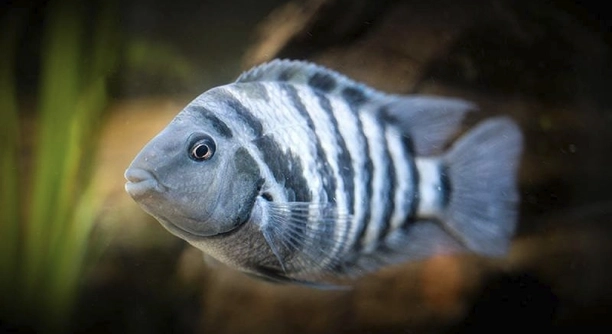
Cichlids are popular fish in home aquariums, known for their vibrant colors and active behavior. Sometimes, they can lose interest in their environment or food, which can be concerning for hobbyists. Understanding why this happens helps keep them healthy and happy.
Cichlids lose interest mainly due to factors such as poor water quality, inadequate diet, stressful tank conditions, lack of stimulation, illness, improper tank mates, and inconsistent feeding routines. These issues directly impact their behavior and wellbeing.
Recognizing these common causes can improve your fish’s environment and encourage their natural activity and appetite again.
Poor Water Quality
Water quality is one of the most important factors that affect cichlids’ interest in their environment. When water conditions deteriorate, fish can become stressed and lose their appetite. High levels of ammonia, nitrites, or nitrates are harmful and can cause discomfort. Additionally, improper pH or temperature can make the tank less welcoming. Regular testing and maintenance help keep water parameters stable. Changing water too slowly or infrequently allows toxins to build up, which leads to unhealthy fish. Proper filtration is also key to removing waste and keeping the water clear. Many hobbyists notice their cichlids become less active when water is poor. Paying attention to these details ensures a comfortable space where cichlids can thrive.
Keeping water clean means doing regular water changes, usually 10-20% weekly, and monitoring with test kits. Filtration should match the tank size to maintain good circulation.
When water quality is consistent, cichlids show more natural behavior, including exploring and feeding. Good water supports their immune system, preventing diseases that cause disinterest. A well-maintained tank encourages vibrant colors and lively fish that interact more with their surroundings.
Inadequate Diet
Cichlids need a balanced diet to stay interested and healthy. Feeding only one type of food can make them bored or malnourished. A mix of flakes, pellets, and occasional live or frozen food provides essential nutrients. Variety also keeps mealtime interesting for the fish. Overfeeding or underfeeding can reduce their appetite and cause health problems. It’s best to feed small amounts several times a day rather than one large meal. Avoid feeding food that quickly pollutes the tank, as this affects water quality and fish interest.
A varied diet helps cichlids stay active and eager to eat. Proper feeding supports their growth and color.
Stressful Tank Conditions
Stress is a common reason cichlids lose interest in their surroundings. Overcrowding, poor hiding spots, and sudden changes can cause stress. Cichlids need space to swim and places to feel safe.
When tanks are overcrowded, fish compete for space and resources, leading to aggression and anxiety. Lack of plants or decorations means fewer hiding spots, making fish feel exposed. Sudden changes in water temperature, lighting, or tank setup can also unsettle them. Stress weakens their immune system and reduces their activity and appetite. Providing a comfortable environment with enough room and shelter helps lower stress levels. Keeping a consistent routine for feeding and maintenance also supports calm behavior.
Regular observation helps identify signs of stress early. Adjusting tank conditions can improve fish health and interest, making the aquarium a better place for cichlids to live and thrive.
Illness and Parasites
Illness and parasites can cause cichlids to lose interest quickly. When fish feel unwell, they may stop eating and hide more often, showing signs of discomfort. Early detection is important to prevent worsening conditions.
Common illnesses include bacterial infections, fungal growth, and parasitic infestations like ich or flukes. These issues affect fish behavior and overall health. Symptoms can include lethargy, discoloration, spots, and abnormal swimming. Quarantining new fish before adding them to the tank helps reduce the risk of disease. Regular cleaning and water changes also lower the chance of illness. Treatment depends on the specific disease but often requires medication and improved water quality. Watching your cichlids closely and acting promptly can save their health and keep their interest in the tank alive.
Lack of Stimulation
Cichlids need mental and physical stimulation to stay interested in their environment. A bare tank with no decorations or plants can make them bored and inactive. Adding variety keeps them engaged.
Changing the tank layout or introducing new objects occasionally encourages natural behaviors like exploring and hiding. Without stimulation, cichlids may become listless and less interested in food or social interaction.
Improper Tank Mates
Choosing the wrong tank mates can cause stress and reduce cichlids’ interest in their surroundings. Aggressive or incompatible species lead to constant conflict. Peaceful fish that share similar water needs work best.
Inconsistent Feeding Routines
Feeding cichlids at irregular times or skipping meals can confuse them and reduce their appetite. Consistency helps build trust and keeps fish active. Establishing a regular feeding schedule improves their overall wellbeing.
Overfeeding
Overfeeding not only pollutes the water but also makes cichlids less eager to eat. Excess food causes digestive problems and lethargy. Feeding appropriate amounts keeps them healthy and interested in meals.
FAQ
Why do my cichlids suddenly stop eating?
Cichlids may stop eating due to changes in water quality, stress, illness, or poor diet. Sudden shifts in temperature or water parameters can shock them. Stress from overcrowding or aggressive tank mates also lowers appetite. Illness like parasites or infections can cause loss of interest in food. Ensuring a balanced diet and stable environment usually helps restore their feeding habits.
How often should I change the water in my cichlid tank?
A regular water change of 10-20% every week is ideal. This helps remove waste and harmful chemicals, keeping water clean and safe. Frequent water changes maintain stable water parameters, which reduce stress and keep cichlids healthy. Avoid changing too much at once, as that can shock the fish.
Can tank decorations really affect my cichlids’ behavior?
Yes, decorations provide hiding spots and places to explore, reducing stress. Without them, cichlids may feel exposed and anxious. Adding rocks, plants, or caves encourages natural behavior like territory marking and hiding, which keeps them active and interested.
What are signs of illness in cichlids?
Signs include loss of appetite, lethargy, unusual swimming patterns, spots or discoloration, and clamped fins. You might see rubbing against objects or rapid breathing. Early detection is key, so watch your fish regularly. Prompt treatment improves recovery chances.
Is it okay to mix different types of cichlids in one tank?
Some cichlids can coexist if they have similar temperaments and tank size is large enough. However, aggressive species or those with different needs may fight, causing stress and injury. Research each species before mixing to avoid conflicts.
How can I reduce stress for my cichlids?
Provide enough space, proper hiding places, and stable water conditions. Avoid sudden changes and limit aggressive tank mates. Keep a consistent feeding and cleaning routine. Calm fish show more natural activity and better health.
What type of food is best for cichlids?
A varied diet is best—high-quality pellets or flakes supplemented with live or frozen foods like brine shrimp or bloodworms. This variety ensures balanced nutrition and keeps meals interesting. Avoid overfeeding to maintain water quality and fish health.
Can poor water quality cause diseases in cichlids?
Yes, dirty water increases the risk of bacterial, fungal, and parasitic infections. Toxins like ammonia and nitrites weaken fish immune systems. Regular water changes and proper filtration are essential to prevent diseases and keep cichlids healthy.
How do I know if my cichlids are stressed?
Signs of stress include hiding often, loss of appetite, faded colors, erratic swimming, and aggression. Stress can be caused by overcrowding, poor water quality, or incompatible tank mates. Addressing these issues usually helps reduce stress.
What is the best way to introduce new fish to a cichlid tank?
Quarantine new fish for at least two weeks to prevent spreading diseases. Slowly acclimate them to tank water temperature and chemistry before adding them to the main tank. Introducing new fish carefully reduces stress and aggression in the tank.
Caring for cichlids can be very rewarding, but it does require attention to many details. When these fish lose interest in their environment or food, it is usually a sign that something is not quite right. Factors like water quality, diet, tank conditions, and health all play important roles in how active and happy cichlids are. Paying close attention to these areas helps maintain their natural behavior and prevents problems before they start. It is helpful to regularly check water parameters and keep the tank clean, as poor water is one of the most common reasons fish become stressed or lose interest.
Diet is another key part of keeping cichlids healthy and engaged. Feeding a varied and balanced diet provides the nutrients they need and keeps feeding time interesting. Overfeeding or underfeeding can cause health issues and reduce their appetite. Along with a proper diet, the tank setup matters a lot. Providing enough space, hiding places, and a peaceful environment supports their natural instincts. Cichlids enjoy exploring and claiming territories, so a well-arranged tank with plants, rocks, or decorations will keep them stimulated and less stressed. Avoiding overcrowding and carefully choosing tank mates can also prevent conflict and help cichlids feel safe.
Finally, illness and stress are often linked to loss of interest in cichlids. Watching for signs of sickness and addressing them quickly is important. Stress from poor conditions or aggressive tank mates lowers their immune response and behavior. Maintaining a steady routine for feeding, cleaning, and monitoring fish behavior helps spot problems early. When all these factors are managed well, cichlids usually stay active, eat well, and show their vibrant colors. Keeping a cichlid tank in balance requires effort, but it results in a lively and beautiful aquarium that is satisfying to care for.

Hello,
If you enjoy the content that we create, please consider saying a "Thank You!" by leaving a tip.
Every little bit helps us continue crafting quality advice that supports the health, happiness, and well-being of pets around the world, for pets of all shapes, sizes, and species.
We really appreciate the kindness and support that you show us!