
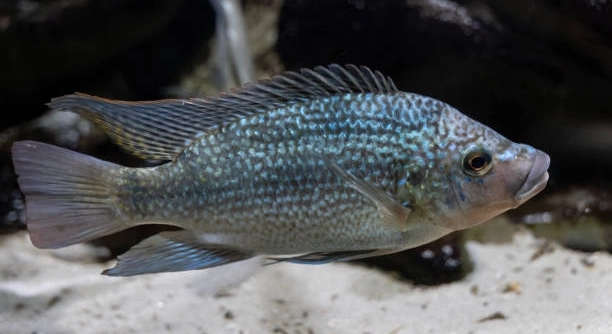
Cichlids are colorful and active fish, but sometimes they tend to hide more than usual. Understanding why they do this can help owners create a better environment. This article explains common reasons behind their increased hiding behavior.
Cichlids hide more due to stress factors such as poor water quality, lack of hiding spots, aggressive tank mates, sudden changes in environment, improper diet, illness, or insufficient lighting. These factors impact their comfort and security within the aquarium.
Knowing these causes can improve how you care for your cichlids. Identifying the right adjustments supports their well-being and encourages more natural, confident behavior.
Poor Water Quality
Maintaining clean water is essential for cichlids’ health. When water conditions deteriorate, fish become stressed and tend to hide more often. High levels of ammonia, nitrites, or nitrates can irritate their gills and skin, making them uncomfortable. Additionally, improper pH balance or temperature fluctuations can upset their natural behavior. Regular water changes and testing are crucial to keep the tank stable. Neglecting these aspects can lead to frequent hiding and even illness. Watching your cichlids closely during water changes helps you notice any signs of distress early. Ensuring good filtration and avoiding overfeeding also contribute to water quality. Healthy water encourages cichlids to swim openly and display their colors, making the tank more enjoyable to watch.
Poor water quality can cause frequent hiding in cichlids due to discomfort and stress from harmful chemicals or unstable conditions.
Keeping water clean and balanced protects your fish from stress and promotes a peaceful tank environment. Consistent care prevents hiding behaviors caused by poor water quality.
Aggressive Tank Mates
Aggressive tank mates can make cichlids feel threatened, causing them to retreat to hiding spots. Even normally peaceful fish may become territorial in shared tanks, leading to stress and fear. This tension results in less activity and more hiding, which can affect the cichlids’ overall health. Proper tank setup includes choosing compatible species and providing enough space and hiding places. Separating aggressive fish or using dividers helps reduce conflict. Observing interactions between fish regularly is important to identify signs of aggression early. Ensuring that cichlids have areas to escape to allows them to feel safer. These steps help reduce hiding caused by stress from tank mates, creating a calmer environment for everyone.
Tank mates that are too aggressive or territorial cause stress and hiding in cichlids. Careful selection and tank management reduce these problems.
Choosing compatible fish and setting up a tank with enough hiding spaces creates harmony. This balance reduces stress and promotes natural behavior in cichlids. Proper tank management includes watching fish interactions and adjusting the setup as needed. Providing separate areas for aggressive fish or avoiding certain combinations prevents constant hiding. The goal is a peaceful tank where cichlids can swim confidently without fear. Regular monitoring and quick action help maintain this balance. Creating a safe environment means cichlids will show their colors and interact more, which makes caring for them more rewarding.
Lack of Hiding Spots
Cichlids need places to retreat when they feel threatened or stressed. Without enough hiding spots, they may hide less comfortably or become overly shy. Providing plenty of shelters supports their natural behavior and reduces anxiety.
Adding caves, plants, and decorations offers essential hiding places. These areas give cichlids safe spaces to relax and feel secure. When tanks are bare or overcrowded, fish can become stressed, leading to increased hiding or aggression. Properly placed shelters allow them to choose when to come out or hide, which helps balance their activity. It also reduces conflict by giving each fish its own territory. Using natural materials and plants can make hiding spots more inviting. When cichlids feel safe, they are more likely to explore and interact with their environment and tank mates, improving their overall health.
Regularly rearranging or refreshing hiding spots can stimulate your cichlids and prevent boredom. It encourages them to explore more confidently and decreases excessive hiding. Changing the layout also mimics natural conditions, promoting better mental and physical well-being.
Sudden Environmental Changes
Cichlids are sensitive to changes in their surroundings. Sudden shifts in lighting, temperature, or water chemistry can cause stress and make them hide more often. Keeping a stable environment is important to avoid this.
Unexpected changes disrupt the fish’s routine, causing discomfort and fear. For example, turning off lights abruptly or dropping the temperature can trigger hiding. Sudden water parameter changes, such as pH swings or hardness variations, further increase stress. Gradual adjustments are essential when making changes in the tank. Monitoring water conditions regularly and using proper equipment ensures consistency. This stability helps fish maintain normal behavior and confidence in their habitat.
When moving tanks or rearranging decorations, it’s best to do it slowly. Allow fish time to adjust to new conditions and spaces. This reduces stress and encourages them to stay visible rather than retreating into hiding.
Improper Diet
An unbalanced diet can cause stress in cichlids, leading them to hide more often. They need a variety of foods to stay healthy and active.
Feeding them too little or too much affects their energy levels and behavior. A proper diet supports their immune system and reduces hiding caused by weakness or discomfort.
Illness or Parasites
When cichlids are sick or have parasites, they tend to hide to protect themselves. Signs include lethargy, loss of appetite, or visible spots. Prompt treatment and maintaining good tank hygiene help prevent illness. Regular observation is key to catching health issues early and reducing hiding behavior.
Insufficient Lighting
Cichlids need adequate lighting to feel secure and active in their environment. Poor lighting can make them uncomfortable, causing increased hiding. Proper light levels mimic their natural habitat, encouraging normal behavior and visibility.
Why do my cichlids hide all the time?
Cichlids often hide because they feel stressed or unsafe. Common causes include poor water quality, aggressive tank mates, lack of hiding spots, or illness. When their environment is uncomfortable or threatening, hiding becomes a natural response to protect themselves. Regular care and a balanced tank setup help reduce this behavior.
How can I reduce hiding behavior in my cichlids?
To reduce hiding, maintain clean water and stable conditions. Provide plenty of hiding spots like caves and plants. Choose compatible tank mates to prevent aggression. Feed a balanced diet and watch for signs of illness. Gradual changes and proper lighting also encourage fish to feel secure and active.
Is hiding always a sign of illness?
Not always. Hiding can be normal, especially if new fish are settling in or during nighttime. However, excessive or prolonged hiding combined with symptoms like loss of appetite, lethargy, or visible spots often indicates illness or stress. Monitoring behavior helps determine if medical attention is needed.
Can tank size affect cichlid hiding?
Yes. A tank that is too small can cause overcrowding and stress, leading to more hiding. Cichlids need enough space to establish territories and swim comfortably. A larger tank with proper setup reduces stress and encourages natural behavior, minimizing excessive hiding.
What types of hiding spots work best for cichlids?
Natural-looking caves, rock formations, and dense plants make the best hiding spots. These mimic their natural habitat and offer security. Using smooth materials prevents injury. Avoid overcrowding the tank but ensure enough shelters so all fish can retreat when needed.
How important is water temperature for cichlid behavior?
Water temperature is critical. Sudden drops or rises cause stress, making cichlids hide. Maintaining the ideal range for your species keeps them comfortable and active. Use a reliable heater and thermometer to avoid fluctuations that upset their natural rhythm.
Do cichlids hide more at night?
Yes, many cichlids naturally reduce activity and hide during nighttime. This is normal behavior linked to their instincts for safety. Providing hiding spots and a regular light schedule helps mimic day and night cycles, supporting their well-being.
Can stress from tank mates cause hiding even if they don’t attack?
Definitely. Some fish create tension by chasing or dominating, even without direct attacks. This subtle aggression makes cichlids feel unsafe and retreat. Careful selection of peaceful species and enough hiding places reduces stress and promotes harmony.
How often should I test my tank water to prevent hiding due to poor quality?
Testing water weekly is recommended to catch any harmful changes early. Check ammonia, nitrite, nitrate, pH, and hardness levels. Frequent testing combined with regular water changes keeps conditions stable and reduces stress-induced hiding.
Does rearranging the tank cause cichlids to hide?
Sudden rearrangements can make cichlids feel insecure, increasing hiding temporarily. Changing the layout slowly or in small steps helps them adjust without stress. Keeping some familiar elements in place also reduces anxiety and supports their comfort.
Cichlids are beautiful fish that add life to any aquarium, but their hiding behavior can be a sign of several underlying issues. It is important to recognize that hiding is often a natural response to stress or discomfort. Factors such as poor water quality, aggressive tank mates, or insufficient hiding spots play a major role in why cichlids might retreat more than usual. By paying attention to these conditions and making necessary adjustments, owners can create a more comfortable and stable environment for their fish. A well-maintained tank helps cichlids feel secure, reducing the need for constant hiding and encouraging them to display their natural colors and behaviors.
Maintaining proper tank conditions is one of the most effective ways to support cichlid health and confidence. Regular water testing and cleaning ensure that harmful chemicals and imbalances do not build up. Providing adequate space and compatible tank mates prevents aggression and overcrowding, which are common stress triggers. Additionally, offering plenty of natural hiding spots such as rocks, caves, and plants gives cichlids places to retreat when they feel the need. Proper lighting and a consistent environment help keep their behavior predictable and less anxious. Monitoring diet and watching for signs of illness are also key components of good care, as poor health often leads to increased hiding.
Understanding the reasons behind cichlid hiding helps owners respond appropriately to their fish’s needs. While some hiding is normal, excessive or prolonged retreating signals that changes are needed. A calm and stable tank encourages cichlids to explore and interact more, making the aquarium more enjoyable for everyone. Taking small, steady steps to improve water quality, tank setup, and fish compatibility can greatly reduce hiding behavior. With consistent care and attention, cichlids will feel safer and more confident, showing their vibrant personalities and enhancing the overall aquarium experience.

Hello,
If you enjoy the content that we create, please consider saying a "Thank You!" by leaving a tip.
Every little bit helps us continue crafting quality advice that supports the health, happiness, and well-being of pets around the world, for pets of all shapes, sizes, and species.
We really appreciate the kindness and support that you show us!