
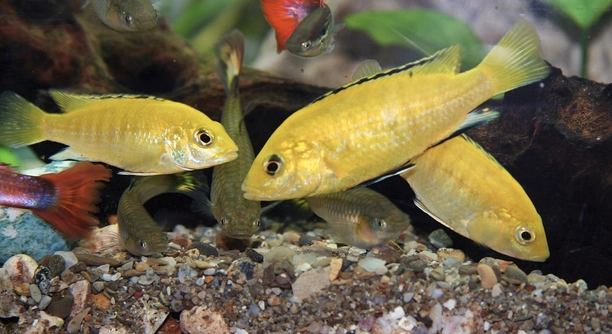
Cichlids are popular aquarium fish known for their bright colors and interesting behaviors. One behavior many owners notice is flashing, where the fish rub or flick their bodies against objects. This action can have different causes and meanings.
Flashing in cichlids often indicates irritation caused by parasites, poor water quality, stress, or infections. It is a common symptom linked to environmental and health factors that affect the fish’s comfort and wellbeing. Identifying these causes is important for proper care.
Understanding why cichlids flash frequently can help you maintain a healthier tank environment. This knowledge supports timely action to protect your fish and improve their overall condition.
Parasites and External Irritations
Parasites are a common cause of flashing in cichlids. These tiny organisms attach to the fish’s skin or gills, causing discomfort. The fish tries to relieve the irritation by rubbing or flashing against surfaces in the tank. Common parasites include ich, flukes, and lice, which can be introduced through new fish or plants. If untreated, parasites can lead to more serious health problems. Maintaining good water quality and quarantining new additions helps reduce the risk. Regular observation allows early detection, which improves treatment success. Treatments often include medicated baths or adding specific medications to the water. Removing parasites quickly minimizes stress and damage to the fish’s skin and fins.
Flashing due to parasites is often accompanied by other symptoms such as clamped fins, lethargy, or loss of appetite.
To prevent parasites, maintain a clean tank and quarantine new fish before introducing them. Prompt treatment is key to keeping your cichlids healthy and comfortable.
Poor Water Quality
Poor water quality is another main reason cichlids flash frequently. High levels of ammonia, nitrites, or nitrates irritate their skin and gills, leading to flashing. Dirty water can result from overfeeding, inadequate filtration, or irregular maintenance. Ammonia and nitrites are especially harmful and toxic even in small amounts. When water conditions worsen, fish become stressed and more vulnerable to diseases and parasites. Regular water testing is essential to detect imbalances early. Partial water changes help remove waste and toxins, improving overall water conditions. Avoid overcrowding the tank to reduce waste buildup. Proper filtration and aeration keep the water clean and oxygenated. Using water conditioners can neutralize harmful chemicals, making the environment safer for your fish. Monitoring these factors ensures your cichlids remain comfortable and less likely to flash from irritation.
Stress and Environmental Changes
Stress causes cichlids to flash as they react to discomfort or danger. Changes like moving the fish, new tank mates, or sudden shifts in temperature can trigger this behavior.
Stress weakens the fish’s immune system, making them more prone to illness and flashing. Sudden noise, overcrowding, or aggressive tank mates increase stress levels. Providing hiding spots and keeping the environment stable helps reduce stress. Avoid frequent rearrangement of decorations or water parameters to keep cichlids calm and healthy.
Long-term stress can lead to chronic flashing and other health problems. Monitoring fish behavior closely after any change is important to catch signs early. Keeping stress low ensures better fish health and less flashing.
Skin and Fin Injuries
Injuries to the skin or fins often cause cichlids to flash. These injuries may come from sharp objects, aggressive tank mates, or rough handling. Damaged areas itch or hurt, prompting the fish to rub against surfaces.
Scratches and torn fins open the door for infections, increasing flashing frequency. Inspecting the tank for sharp edges or unsafe decorations prevents accidental injuries. Separating aggressive fish helps reduce fighting and physical harm. When injuries occur, treating the tank with antibacterial agents can support healing. Clean water also speeds recovery and reduces irritation. Taking care of these factors reduces flashing caused by injuries and improves overall fish wellbeing.
Poor Diet
A poor diet can cause cichlids to flash due to nutrient deficiencies or digestive issues. Lack of essential vitamins weakens their immune system, making them more prone to irritation.
Feeding high-quality, balanced food supports their health and reduces flashing. Avoid overfeeding to prevent water pollution and digestive problems.
Parasitic Infections
Parasitic infections like ich or flukes cause intense itching, leading to frequent flashing. These infections need prompt treatment to avoid serious harm to the fish.
Effective medication and maintaining clean water help control parasites. Early detection is critical to prevent spread and further irritation.
Light Sensitivity
Cichlids may flash when exposed to overly bright or fluctuating light. Sudden changes in lighting cause discomfort and stress, triggering this behavior.
Providing stable, moderate lighting reduces flashing caused by light sensitivity and helps fish feel secure.
FAQ
Why do cichlids flash even when the water looks clean?
Flashing can happen even if the water seems clear because harmful substances like ammonia or nitrites may still be present at low levels. These chemicals are invisible but can irritate fish skin and gills. Regular water testing is necessary, as some toxins don’t change the water’s appearance. Also, parasites or stress can cause flashing independently of water clarity. Maintaining proper filtration and consistent water changes helps keep water safe and reduces flashing behavior.
How can I tell if flashing is caused by parasites or stress?
Parasite-related flashing usually comes with other signs like white spots, clamped fins, or rapid breathing. Stress flashing often happens after changes in the environment, like adding new fish or rearranging the tank. Observing the fish’s overall behavior helps identify the cause. If flashing happens suddenly after stress factors, it’s likely environmental. Persistent flashing with visible symptoms points to parasites. Accurate diagnosis allows for the right treatment or adjustment.
Can flashing damage my cichlids?
Flashing itself is a symptom, not a direct injury, but repeated rubbing can cause skin damage, leading to infections. If flashing is frequent and intense, it can wear down scales and fins. This makes the fish vulnerable to bacteria and fungi. Preventing the causes of flashing protects the fish from additional health problems. Treating water quality, parasites, or stress early helps avoid damage caused by flashing.
What immediate steps should I take if my cichlid starts flashing?
First, check water quality using test kits for ammonia, nitrites, and nitrates. Perform a partial water change if levels are high. Look for signs of parasites or injury. If you see spots or wounds, consider medicated treatments. Remove aggressive tank mates and reduce stress by providing hiding spots. Monitor temperature and light conditions to ensure they are stable. Taking these steps early prevents flashing from worsening.
Is flashing a sign of contagious disease in the tank?
Flashing itself is not contagious, but if it is caused by parasites or infections, those can spread to other fish. Treating the entire tank or quarantining new fish helps stop disease spread. Regular cleaning and avoiding overcrowding reduce infection risks. Keeping all fish healthy and stress-free lowers chances of contagious problems developing.
How long does flashing last in cichlids?
Flashing can last from a few hours to several days depending on the cause. If caused by a temporary irritant or stress, it may stop quickly once conditions improve. Parasite infections or injuries require treatment and can take longer to resolve. Persistent flashing signals an ongoing problem that needs attention. Observing how flashing changes with care adjustments helps track recovery.
Can diet changes reduce flashing?
Yes, improving diet can reduce flashing by boosting the fish’s immune system. Feeding varied, nutritious food helps cichlids fight infections and recover faster. Avoid overfeeding, which pollutes water and causes digestive stress. Adding vitamins or supplements designed for fish health may also help. A strong, healthy fish is less likely to flash due to irritation or disease.
Should I isolate flashing cichlids?
Isolating flashing fish can help prevent the spread of parasites or infections to other tank mates. Quarantine tanks allow targeted treatment without affecting the whole aquarium. Isolation also reduces stress from aggressive fish during recovery. However, make sure the quarantine environment is clean and stable. After recovery, gradually reintroduce the fish to the main tank.
Can lighting changes really affect flashing?
Sudden or intense lighting changes can irritate cichlids and cause flashing. Fish adjust to light slowly, so abrupt shifts may stress them. Using a timer for lights and keeping brightness moderate helps maintain a stable environment. Avoid placing the tank in direct sunlight or near fluctuating light sources. Proper lighting supports fish comfort and reduces flashing caused by sensitivity.
What regular maintenance helps prevent flashing?
Regular water testing, partial water changes, and cleaning the tank reduce irritants that cause flashing. Monitoring fish behavior daily helps catch problems early. Avoid overcrowding to reduce stress and waste buildup. Quarantining new fish protects against parasites. Providing a balanced diet and stable environment supports fish health. Consistent care is the best way to prevent flashing and keep cichlids thriving.
Final Thoughts
Flashing is a common behavior in cichlids that often signals discomfort or irritation. Understanding the reasons behind flashing is important for maintaining a healthy aquarium. It can indicate issues such as parasites, poor water quality, stress, or injuries. Recognizing these causes early helps prevent more serious health problems. Taking prompt action to address flashing can improve the wellbeing of your fish and create a more stable environment for them to thrive in.
Maintaining good water quality is one of the most effective ways to reduce flashing. Regular water tests, partial water changes, and proper filtration keep harmful substances at safe levels. It is also important to avoid overcrowding and overfeeding, which can contribute to water pollution. Providing a balanced diet supports the immune system of cichlids, making them less vulnerable to diseases and irritations that cause flashing. Attention to tank setup and stable conditions minimizes stress, further lowering the chances of flashing behavior.
When flashing occurs, it should not be ignored. Observing your fish closely can help identify if flashing is related to parasites, environmental changes, or injuries. Treatment and adjustments should be made accordingly to protect your fish. Keeping the tank clean and stable benefits all aquatic life inside. Overall, understanding and addressing flashing behavior helps ensure your cichlids stay healthy, comfortable, and active in their home.

Hello,
If you enjoy the content that we create, please consider saying a "Thank You!" by leaving a tip.
Every little bit helps us continue crafting quality advice that supports the health, happiness, and well-being of pets around the world, for pets of all shapes, sizes, and species.
We really appreciate the kindness and support that you show us!