
Are your cherry barbs refusing to breed no matter what you try? Breeding these fish can seem tricky without the right setup or timing.
The key to easier cherry barb breeding lies in creating the ideal environment, maintaining stable water conditions, and offering a balanced diet. These factors encourage natural behavior and increase the chances of successful spawning with minimal intervention.
Each suggestion in this article is simple, practical, and focused on helping your cherry barbs thrive through a smoother breeding process.
Keep the Water Clean and Consistent
Cherry barbs are sensitive to changes in their environment, and dirty water can quickly discourage breeding. A clean tank with consistent parameters makes all the difference. Aim to keep the water temperature around 74–79°F, and maintain a slightly acidic to neutral pH level between 6.5 and 7.0. Frequent water changes—about 25% weekly—help reduce waste buildup and stabilize conditions. Use a sponge filter to avoid sucking up eggs and fry, and test your water regularly. Consistency signals to your fish that it’s safe to spawn, while clean water supports egg development and reduces stress on both the males and females.
Avoid sudden shifts in temperature or pH. Stability keeps your cherry barbs relaxed and more likely to breed.
It’s also helpful to gradually adjust tank lighting. Mimicking a natural daylight cycle can trigger spawning behaviors. Consider using a timer to manage this for added consistency and a more relaxed tank environment.
Provide a Well-Planted Breeding Space
Plants give cherry barbs a sense of security and help mimic their natural environment. Dense plants like Java moss or Hornwort create ideal hiding spots and places for eggs to fall safely out of reach from hungry adults.
A breeding tank doesn’t need to be complicated. A simple 10-gallon setup with a bare bottom, sponge filter, and lots of plants will do just fine. Add a few floating plants to soften the light, which can reduce stress and make the fish feel more comfortable. Condition the breeding pair with high-quality food like live brine shrimp or daphnia for about a week. Once they’re introduced to the breeding tank, you’ll often see courtship behavior early in the morning. Remove the adults shortly after spawning to prevent them from eating the eggs. With a bit of planning and a calm, plant-filled tank, you’ll improve your chances of a successful spawn.
Use a Separate Breeding Tank
Breeding cherry barbs in a community tank rarely works well. Other fish can stress them out or eat the eggs before you notice. A separate tank gives you control over conditions and keeps eggs and fry safe.
Keep the breeding tank bare-bottomed to make cleaning easier and spotting eggs simpler. Use a sponge filter to avoid harming fry and keep the water gently moving. Add fine-leaved plants like Java moss or spawning mops to give the fish places to lay eggs. Maintain a stable temperature around 78°F and keep lighting low. After a successful spawn, remove the adults immediately to prevent them from eating the eggs. This setup allows for better survival rates and helps you monitor the process more easily. You don’t need anything fancy—just a clean, quiet, and safe space for them to breed comfortably.
Keep feeding consistent after moving the adults out. Good nutrition supports the fry’s early development and helps them grow strong.
Condition the Breeding Pair with Quality Food
Feeding the breeding pair properly will improve spawning results. A high-protein diet encourages energy and better egg production. Focus on variety and avoid overfeeding to maintain water quality while conditioning.
Live or frozen foods work best during this period. Feed options like bloodworms, brine shrimp, or daphnia at least once or twice daily for about a week. You’ll notice brighter colors and more active behavior as the fish become ready to spawn. Supplement with quality flakes or micro pellets to balance the diet. Avoid feeding too much at once—give small amounts they’ll eat within a couple of minutes. Good nutrition not only boosts egg quantity but also helps the parents recover faster after spawning. Be patient and consistent with feeding, and you’ll likely see results within days of moving them to the breeding tank.
Watch for Early Morning Spawning
Cherry barbs usually spawn in the early morning hours. You might see the male chasing the female through plants or displaying brighter colors. Spawning can happen quickly, so observe them closely after adding the pair to the breeding tank.
Eggs are often scattered among the plants or fall to the bottom. They are small and slightly sticky, clinging to surfaces. Don’t wait too long to remove the adults once spawning behavior is spotted. This helps protect the eggs and gives the fry a better chance at survival when they hatch a day or two later.
Keep the Tank Quiet and Undisturbed
Noise, sudden movement, and tank traffic can stress cherry barbs and interrupt breeding. Avoid tapping the glass, sudden light changes, or frequently moving things around inside the tank. Covering part of the tank with a towel can help reduce visual disturbances and keep them calm enough to spawn.
Use a Gentle Filter Setup
Strong currents can scatter eggs or make it hard for fry to swim once they hatch. A sponge filter keeps the water clean without risking suction accidents. It also provides a surface for helpful bacteria to grow, keeping the tank stable and safe.
FAQ
How long does it take for cherry barbs to breed?
Breeding can happen quickly, especially once the pair is conditioned. Typically, it takes about a week of preparation with proper diet and water conditions. Once introduced to the breeding tank, cherry barbs can spawn within a few days, often in the early morning hours. After spawning, the eggs will hatch in about 24 to 48 hours.
Can cherry barbs breed in a community tank?
It’s possible, but it’s not ideal. In a community tank, other fish may disturb the cherry barbs, or even eat the eggs and fry. For better results, move the breeding pair to a separate tank where you can control conditions and minimize risks. This gives the fry a better chance to survive.
Do cherry barbs lay eggs or give birth?
Cherry barbs lay eggs, as they are egg layers, not livebearers. During spawning, the female will release eggs, which the male will fertilize. These eggs are then left to develop, usually on plant surfaces, until they hatch into tiny fry.
How many eggs do cherry barbs lay?
Cherry barbs can lay anywhere from 50 to 200 eggs during a single spawning. The number varies depending on the health and age of the breeding pair. Larger, well-conditioned females will typically lay more eggs. After spawning, remove the adults to prevent them from eating the eggs.
What should I do if the fry don’t hatch?
If the eggs don’t hatch, it’s often due to water conditions or temperature issues. Ensure the temperature is consistently between 74–79°F and check for any fluctuations. Low water quality, such as high levels of ammonia or nitrites, can also hinder hatching. Make sure to test the water regularly and adjust as needed.
How do I care for cherry barb fry?
Once the fry hatch, they are very small and fragile. Start by feeding them infusoria or powdered fry food for the first few days. As they grow, you can transition to newly hatched brine shrimp or finely crushed flakes. Keep the water clean and avoid overcrowding to prevent disease.
Do cherry barb fry need special care?
Yes, they do. Newly hatched fry are vulnerable to high water parameters, so make sure to maintain stable, clean water. Use a sponge filter to gently circulate water without disturbing the fry. Also, keep the tank free of debris and uneaten food, as these can cause water quality to drop quickly.
Can I breed cherry barbs without a breeding tank?
It’s possible, but not recommended. A breeding tank provides a safer environment for the eggs and fry. In a community tank, other fish might eat the eggs or fry, reducing your chances of a successful spawn. A breeding tank gives you better control over water conditions and reduces stress on the fish.
How do I know if my cherry barbs are ready to breed?
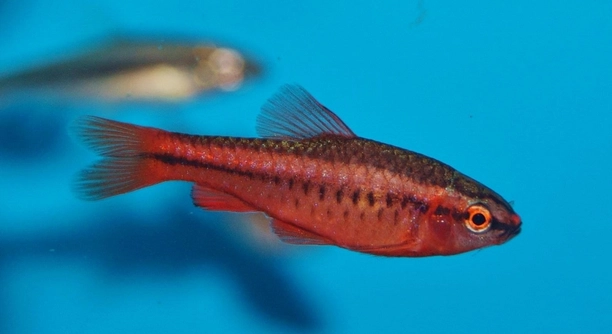
Mature males will develop bright red coloring, especially on their bellies, while females tend to be more rounded and less colorful. The males will chase the females and try to display their colors to attract them. When the conditions are right—stable water, good nutrition, and a safe environment—the pair will begin courting and eventually spawn.
What temperature should the water be for cherry barbs to breed?
A temperature range of 74-79°F is ideal for breeding cherry barbs. Keeping the water at a consistent, warm temperature mimics their natural breeding season and encourages them to spawn. Avoid large temperature fluctuations, as this can stress the fish and affect their readiness to breed.
How long does it take for cherry barb fry to grow?
Cherry barb fry will take a few weeks to grow large enough to be seen clearly. During this time, they will begin to develop their fins and swim freely. The fry can grow to about 1 inch in 2-3 months, though this depends on water conditions and food availability.
Can I raise cherry barb fry with other fish?
It’s best to raise cherry barb fry in a separate tank from other fish to reduce stress and prevent predation. Once the fry are large enough (about 1 inch), they can be introduced into a community tank with other peaceful species. Always monitor them closely to ensure they aren’t bullied or eaten by larger fish.
What is the best food for cherry barb fry?
Start with finely crushed flake food, infusoria, or egg yolk in the first few days. As they grow, you can introduce newly hatched brine shrimp or microworms. Once the fry reach a size where they can consume larger foods, you can gradually transition them to regular fish food. Make sure to feed small amounts several times a day to encourage healthy growth.
Do cherry barbs breed year-round?
No, cherry barbs generally breed during certain seasons when environmental conditions trigger spawning behavior. However, with proper care and stable conditions in an aquarium, you can encourage them to breed year-round, though it’s most common during warmer months when the water temperature is ideal.
What should I do if the eggs are not fertilized?
If you notice that the eggs are not hatching or appear discolored, they may not have been fertilized. It’s important to ensure that both the male and female are healthy and properly conditioned before breeding. Check the water quality and temperature to make sure they are optimal for successful fertilization.
Final Thoughts
Breeding cherry barbs can be a rewarding experience if you provide the right conditions. By paying attention to their diet, water quality, and environment, you can improve your chances of a successful spawn. It’s important to create a peaceful and stable environment for them to thrive. When breeding cherry barbs, consistency is key, whether it’s in water temperature, lighting, or tank setup. The more you can mimic their natural habitat, the more likely they are to breed successfully. While it can take time to get everything just right, the rewards of seeing fry grow into healthy adult fish make the effort worthwhile.
Another key aspect is monitoring the health of both the male and female barbs. Healthy fish are more likely to breed, and poor water quality can stress them out, leading to failed spawning. Providing a well-balanced diet with high-quality food is essential for conditioning your fish before breeding. Also, avoid overcrowding, as this can stress the fish and reduce their chances of breeding. Creating a separate breeding tank where you can control all variables helps ensure the success of the spawn. Once the fry hatch, caring for them properly with the right food and clean water will help them grow into healthy adults.
Breeding cherry barbs is not overly difficult, but it requires patience and attention to detail. Understanding their natural behaviors, such as when they are most likely to spawn, helps you prepare in advance. By setting up a breeding tank with gentle filtration, maintaining stable water conditions, and providing a good diet, you create an ideal environment for your cherry barbs. With time and care, you can enjoy watching them grow and thrive, which adds even more joy to the experience of keeping these colorful fish.

Hello,
If you enjoy the content that we create, please consider saying a "Thank You!" by leaving a tip.
Every little bit helps us continue crafting quality advice that supports the health, happiness, and well-being of pets around the world, for pets of all shapes, sizes, and species.
We really appreciate the kindness and support that you show us!