
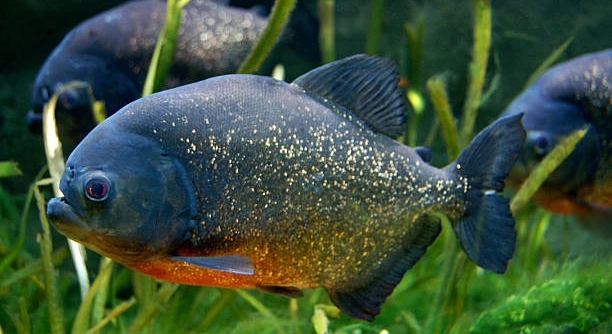
Piranhas are often seen as fierce and aggressive fish, but they do have moments when they back away. Understanding what makes a piranha retreat can help keep encounters safer and less stressful. This article explores the key factors behind their behavior.
Piranhas retreat due to changes in water conditions, presence of larger predators, lack of food, disturbances, bright lights, temperature fluctuations, and overcrowding. These factors influence their comfort and survival instincts, causing them to withdraw from perceived threats.
Knowing what causes piranhas to pull back gives insight into their natural responses and helps create better environments for these fish. This knowledge is important for both hobbyists and researchers alike.
Changes in Water Conditions
Water quality plays a big role in piranha behavior. When the water becomes dirty or polluted, piranhas tend to retreat to safer areas. They need clean water with the right balance of oxygen, pH, and temperature to feel comfortable. Sudden changes, like a drop in oxygen or rise in toxins, make them stressed and less active. Keeping their environment stable helps them stay calm and avoid unnecessary aggression. Even small shifts in water chemistry can make a big difference for these fish. In natural habitats, rainy seasons or droughts can alter water conditions quickly, causing piranhas to seek better spots. Aquariums must mimic these stable conditions to keep piranhas healthy and calm. Monitoring water regularly can prevent stress and reduce retreat behavior.
Poor water conditions reduce oxygen and increase toxins, which makes piranhas withdraw for safety.
Maintaining balanced water with proper filtration and aeration is essential. This stability helps piranhas stay active and reduces retreat. Testing water frequently for ammonia, nitrites, and pH keeps their tank healthy. Using water conditioners and partial water changes also supports good quality. When piranhas are comfortable, they are less likely to hide or act aggressively. If changes are needed, adjusting slowly gives them time to adapt. Clean water supports their natural behavior and overall well-being, so it’s a key factor in whether they retreat or not.
Presence of Larger Predators
Piranhas naturally avoid animals that pose a threat to them. In the wild, larger fish, birds, or mammals can scare them away. This instinct helps them survive by staying out of danger. When they sense a predator nearby, they retreat to protected areas like dense plants or underwater caves. The presence of bigger animals signals danger, so piranhas prioritize safety over confrontation. Even the shadows or movements of larger creatures can trigger this response. In captivity, unfamiliar animals or sudden disturbances can cause similar reactions. This behavior shows their natural caution and desire to avoid harm. Understanding this can help keep piranhas less stressed in shared environments.
Avoiding predators is a natural defense mechanism that causes piranhas to pull back and find shelter.
Creating a safe space with hiding spots reduces stress. It’s important not to mix piranhas with much larger or aggressive species in tanks. Observing their behavior can reveal if they feel threatened. When kept in a secure environment, they show less retreat and more normal activity. Providing cover and avoiding sudden movements nearby can help piranhas feel protected. This respect for their instincts improves their health and interaction with their surroundings.
Lack of Food
When food is scarce, piranhas become less active and often retreat to conserve energy. Without enough to eat, they avoid unnecessary movement or conflict. This helps them survive longer until food becomes available again.
Piranhas rely on regular feeding to maintain their energy and aggressive hunting behavior. If food sources are low, they reduce activity and hide more often. This retreat is a survival response, as chasing prey when hungry and weak could be risky. In natural habitats, seasonal changes or overfishing can limit their meals, causing piranhas to become less visible. In captivity, inconsistent feeding schedules can have the same effect, leading to withdrawn behavior. Making sure piranhas get enough nutrition helps keep them active and confident.
When well-fed, piranhas show more social and territorial behaviors. Feeding them balanced diets with proper proteins reduces retreat tendencies. Hunger can also cause stress, making them prone to illness. Paying attention to feeding frequency and portion sizes is key. Too little food triggers hiding, but overfeeding can cause water quality issues. Maintaining a good feeding routine supports their natural behavior and health, keeping them less likely to retreat.
Disturbances
Sudden noises, vibrations, or movements can startle piranhas, causing them to retreat. These disturbances signal potential danger, so piranhas seek shelter to stay safe.
Loud or unexpected sounds and tank tapping stress piranhas, making them hide or become defensive. These fish prefer calm environments where they feel secure. In the wild, sudden changes might mean predators or environmental threats. In captivity, minimizing loud noises and handling helps reduce stress. Consistent, gentle care makes piranhas feel more comfortable and lowers retreat frequency.
Over time, frequent disturbances weaken their confidence and affect overall health. Providing a quiet, stable environment with limited sudden changes helps piranhas stay relaxed. Using tank covers or placing the aquarium in low-traffic areas reduces interruptions. Patience and gentle interaction build trust, encouraging piranhas to explore rather than hide. Respecting their need for peace leads to better wellbeing and less retreat behavior.
Bright Lights
Bright lighting can make piranhas uncomfortable and cause them to retreat. These fish prefer dim or natural light that mimics their usual environment.
Strong lights stress piranhas because they feel exposed and vulnerable. Dimming the aquarium lights or providing shaded areas helps them feel safer and more relaxed.
Temperature Fluctuations
Piranhas are sensitive to changes in water temperature. Sudden rises or drops make them less active and encourage hiding behavior. Maintaining a stable temperature within their preferred range supports their comfort and normal activity levels.
Overcrowding
Too many fish in one tank increases competition and stress. Overcrowding leads to retreat as piranhas try to avoid conflicts and find space to feel secure.
What causes piranhas to retreat suddenly?
Piranhas often retreat suddenly when they feel threatened by changes in their environment. This can include disturbances like loud noises, sudden movements, or the appearance of larger animals nearby. They also react to shifts in water conditions such as temperature drops or poor water quality. These changes trigger a survival instinct, making them seek shelter quickly to avoid potential danger.
How do water conditions affect piranha behavior?
Water quality is essential for piranhas to feel safe and active. Poor water conditions—such as low oxygen levels, high toxins, or sudden pH changes—cause stress, leading to withdrawal or hiding. Clean, well-filtered water with stable parameters encourages normal activity and reduces the chance of retreat.
Can overcrowding cause piranhas to hide more?
Yes, overcrowding can make piranhas feel stressed and threatened. When space is limited, competition for food and territory rises, causing piranhas to avoid conflicts by hiding. Providing enough room and hiding spots helps reduce stress and keeps them more visible and comfortable.
Does lighting influence piranha activity?
Bright, harsh lighting often makes piranhas uncomfortable. They prefer dim or natural lighting that resembles their natural habitat. Strong lights can make them feel exposed, causing retreat. Using adjustable lighting or adding plants for shade creates a better environment for these fish.
What role does food availability play in piranha retreat?
When food is scarce, piranhas tend to reduce their activity and hide to save energy. Lack of food weakens them, so retreating helps avoid unnecessary risks. Regular feeding with a balanced diet keeps them energetic and less likely to withdraw.
Are temperature changes a big factor in piranha behavior?
Yes, piranhas are sensitive to temperature fluctuations. Sudden changes can cause them stress, leading to hiding or less activity. Keeping water temperature steady within their ideal range helps maintain their comfort and reduces retreat behavior.
How do piranhas react to predators in their environment?
Piranhas naturally avoid larger predators by retreating to safer spots. This behavior helps them survive by reducing direct encounters with threats. Providing hiding places in tanks mimics this safety and lowers their stress.
What can I do to reduce piranha retreat in captivity?
Maintaining stable water quality, proper temperature, balanced feeding, and minimal disturbances are key. Also, ensure enough space and hiding spots in the tank. Soft lighting and avoiding sudden noises help piranhas feel safe, encouraging more natural behavior.
Is retreat a sign of illness in piranhas?
Retreat can sometimes indicate health issues but is mostly a response to environmental factors. If hiding is accompanied by other signs like loss of appetite, discoloration, or unusual swimming, it might be illness. In such cases, checking water quality and consulting a vet is important.
Do piranhas retreat more during certain times of the day or seasons?
Piranhas can be more active during dawn and dusk but may retreat during bright daylight or nighttime. Seasonal changes in natural habitats also affect their behavior, with retreat increasing during colder or dryer periods when conditions are tougher.
Can piranha retreat behavior be trained or reduced over time?
While some retreat behavior is natural, piranhas can become more comfortable with consistent care. Gentle handling, stable environment, and predictable feeding schedules help build trust and reduce stress-related hiding. Patience is important since they respond slowly to changes.
How does tank setup influence piranha retreat?
A tank with plenty of hiding places, plants, and natural decorations helps piranhas feel secure and reduces retreat. Open tanks or sparse setups increase stress and cause more hiding. Creating a balanced environment that mimics their natural habitat promotes confidence and activity.
Are there any signs that indicate piranhas are retreating due to stress?
Signs include sudden hiding, reduced movement, loss of appetite, and color changes. Stress makes them less social and more defensive. Monitoring behavior closely helps catch problems early and adjust care to reduce retreat.
What happens if piranhas are forced to stay in poor conditions?
Long-term exposure to bad water, overcrowding, or constant disturbances weakens their immune system, increases retreat, and raises the risk of disease. It can shorten their lifespan and degrade their quality of life. Proper care is essential to prevent these outcomes.
Can retreat behavior affect piranha social dynamics?
Yes, if some piranhas retreat often, it can disrupt the group’s hierarchy and increase aggression among more dominant fish. Creating enough space and resources reduces stress and helps maintain balanced social interactions.
How important is hiding space in preventing piranha retreat?
Hiding spaces are crucial. They offer safety and reduce stress, encouraging piranhas to explore and interact more. Without adequate shelters, piranhas feel vulnerable and retreat more frequently. Providing caves, plants, and decorations improves their comfort and wellbeing.
Are retreat and aggression linked in piranhas?
Retreat often happens when piranhas want to avoid conflict or feel threatened. However, some may become aggressive if they feel cornered or stressed. Reducing stress and providing enough space helps balance these behaviors and prevents unnecessary aggression.
How does feeding frequency impact retreat behavior?
Infrequent feeding causes hunger and energy loss, leading to retreat. Overfeeding, on the other hand, can harm water quality and cause stress. A balanced, consistent feeding routine keeps piranhas healthy, active, and less prone to hiding.
What are common mistakes that lead to piranha retreat?
Common mistakes include poor water maintenance, overcrowding, sudden environment changes, inconsistent feeding, and bright lighting. Avoiding these issues helps piranhas feel secure and behave normally, reducing their need to retreat.
How can I tell if retreat is temporary or a bigger problem?
Temporary retreat is usually brief and linked to specific disturbances or changes. If hiding continues for days, combined with poor health signs, it may indicate a bigger problem like illness or long-term stress. Observing carefully and adjusting care is key to resolving this.
Understanding why piranhas retreat helps create better conditions for them, whether in the wild or in captivity. These fish are often misunderstood because of their fierce reputation, but they show clear signs when they feel uncomfortable or threatened. Changes in water quality, disturbances, or lack of food can all cause piranhas to pull back and hide. Recognizing these signs is important for anyone who cares for or studies piranhas. When their environment supports their natural needs, they are less likely to retreat and more likely to display normal behaviors.
It is clear that maintaining stable water conditions is one of the most important factors to keep piranhas comfortable. Clean water with the right temperature, oxygen levels, and chemical balance helps reduce stress. Providing enough space and hiding spots allows piranhas to feel secure and safe from potential threats. Other factors like avoiding sudden loud noises or bright lights also play a role. Small changes in care or habitat setup can make a big difference in whether piranhas feel relaxed or defensive. Feeding them regularly and with balanced diets keeps their energy up and lowers the chance they will retreat due to hunger or weakness.
By paying attention to these factors, it is possible to support the health and natural behavior of piranhas. They respond to their surroundings in ways that help them survive, but they also benefit greatly from stable and calm environments. Whether keeping them in aquariums or observing them in nature, understanding the reasons behind their retreat can lead to better care and safer interactions. These fish do not always want to be aggressive; often, they just want to feel safe. Creating the right conditions respects their instincts and helps them thrive.

Hello,
If you enjoy the content that we create, please consider saying a "Thank You!" by leaving a tip.
Every little bit helps us continue crafting quality advice that supports the health, happiness, and well-being of pets around the world, for pets of all shapes, sizes, and species.
We really appreciate the kindness and support that you show us!