
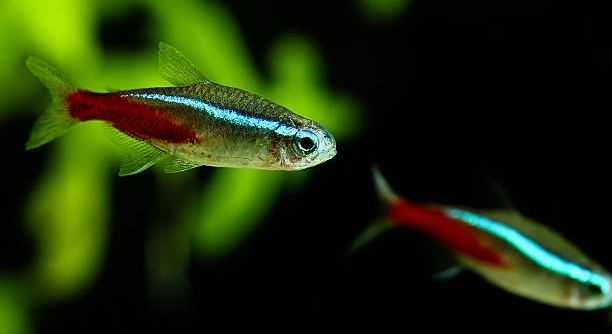
Are your neon tetras losing their bright, eye-catching colors, leaving you concerned about what might be causing the change?
Tetra color fading is often caused by poor water quality, stress, improper diet, illness, or inadequate lighting. These factors disrupt the fish’s natural pigmentation and overall health, leading to a duller appearance over time.
This article explores the most common causes behind color loss in tetras and offers helpful ways to prevent it from happening in your aquarium.
Poor Water Quality
Tetras are sensitive to changes in water conditions, and poor water quality can quickly affect their color. If ammonia, nitrite, or nitrate levels are too high, their stress levels rise, which can dull their appearance. Frequent water changes, a properly cycled filter, and testing the water weekly are key to preventing this. Inconsistent temperature and pH levels can also trigger stress. Sudden drops or spikes make tetras uncomfortable, even if the water looks clear. Always aim for stable conditions, with clean, filtered water and consistent testing. Keeping their tank clean helps maintain their health and vibrant colors.
Tetras tend to hide and lose color when exposed to toxins or dirty water. Regular maintenance is essential to avoid these issues and keep them stress-free.
Pay attention to your tank’s size and bio-load. Overcrowding increases waste and affects the water balance quickly. A small tank can’t support many fish, and poor filtration worsens things. If you have too many fish, the ammonia spikes faster than your filter can handle. Stick to the one-inch-of-fish-per-gallon rule and avoid overfeeding. Extra food rots quickly, causing bacteria growth and cloudy water. Perform partial water changes weekly, and vacuum the substrate to remove waste. Healthy, clean water helps tetras maintain their natural color without added stress.
Stress from Tank Mates
Tetras often lose color when kept with aggressive or fast-swimming fish. Constant chasing or territorial behavior causes them to feel unsafe, leading to stress and fading colors.
Always choose tank mates with similar temperaments. Peaceful fish like rasboras, corydoras, and other small schooling species are better suited. Aggressive fish can easily overpower tetras, making them retreat and become less active. Even if aggression isn’t obvious, subtle chasing or pushing can create constant pressure. Over time, this wears down their immune system and causes physical changes like color fading. Watching your tetras’ behavior closely helps catch signs of stress early. If they’re hiding more often or sticking to the corners, it’s a sign they feel unsafe. Rearranging tank decorations or adding plants can create more hiding spots and reduce visibility between fish. This can help lower tension. Keeping fish with similar activity levels ensures a calmer tank, giving your tetras a better chance to thrive and show their best colors.
Inadequate Diet
A poor diet leads to nutrient deficiencies that affect a tetra’s color. Low-quality flakes or pellets often lack the right vitamins and pigments needed to support healthy coloration in tropical fish. Over time, this can cause noticeable fading.
Color-enhancing foods are a simple way to help. Look for ingredients like spirulina, astaxanthin, or krill. These promote pigmentation naturally and are especially useful if you’ve noticed dullness setting in. Also, rotate their meals. A varied diet keeps things balanced and ensures they’re getting a full range of nutrients. Mix in frozen or live foods like brine shrimp or daphnia a few times a week. These give an added protein boost and can support both health and color. Avoid overfeeding, though. Leftover food dirties the tank quickly and leads to health problems. Feed small amounts once or twice daily, only what they can eat in a few minutes.
Improper feeding habits over time will impact how your tetras look and feel. If they’re always getting the same type of food, they might not be absorbing all the nutrients they need. Certain vitamins like B12 and carotenoids directly affect color. Without these, pigment cells don’t function properly, and their natural glow fades. Switching brands occasionally can help balance out any missing nutrients. If using flakes, crush them to the right size. Large chunks that sink too fast may go uneaten and decay. Pay attention to how your tetras react to food. A healthy appetite is a good sign their diet is working. Faded fish may be a sign they’re lacking something important.
Inconsistent Lighting
Lighting plays a big role in maintaining your tetra’s color. Too much or too little light disrupts their internal rhythms and can dull their natural tones. Stick to a consistent light schedule of about 8 to 10 hours a day.
If your tank gets too much direct sunlight, it can trigger algae growth, overheat the water, and stress your tetras. On the other hand, if it’s too dark, their colors fade due to reduced pigment stimulation. Choose a full-spectrum LED light that mimics natural daylight and enhances their shades without being too harsh. Place your light on a timer to ensure consistency, especially if you’re not always home to switch it on or off. Sudden changes in light—like switching it on abruptly in a dark room—can startle the fish. That small daily shock adds up over time. Tetras feel more secure when their environment follows a stable rhythm. Consistency helps them stay active, healthy, and colorful.
Illness or Parasites
Color loss can be an early sign of illness. Internal infections, parasites, or fin rot often make tetras look pale or patchy. When something’s wrong, their body redirects energy away from pigmentation to focus on recovery.
Watch for other symptoms like clamped fins, sluggish movement, or loss of appetite. Treat quickly.
Aging
As tetras get older, their color may naturally fade. This is normal and not always something to worry about. Older fish lose vibrancy even if they’re healthy. It’s simply part of their life cycle and not linked to poor care.
Lack of Hiding Spaces
A tank without plants or decorations leaves tetras feeling exposed. When they can’t hide, they stay on alert and stressed, which causes fading. Simple changes like adding plants, driftwood, or caves help them relax and feel safe.
FAQ
Can tetras regain their color after fading?
Yes, tetras can regain their color if the cause is addressed quickly. If the fading is due to stress, poor water quality, or improper diet, making improvements in those areas can help them recover. Start by checking the water parameters and making sure ammonia, nitrite, and nitrate levels are within safe ranges. Switch to a high-quality diet with natural color enhancers like spirulina and krill. If tank mates are causing stress, consider rehoming them or adjusting the environment to reduce aggression. With time and the right care, their color often returns gradually.
How long does it take for their color to come back?
It depends on the cause and how fast you respond. Some tetras start to regain color within a few days of improved conditions, while others take a few weeks. If the stressor is removed and their environment becomes stable, the body starts redirecting energy back to pigmentation. However, if the fading has gone on for too long or is linked to age, some color may never return fully. Keep the tank consistent, avoid sudden changes, and give them a balanced diet to help speed up the recovery process.
Do water temperature changes affect tetra color?
Yes, sudden temperature changes can cause stress and lead to fading. Tetras prefer stable temperatures between 74–80°F (23–27°C). If the water gets too cold or too warm suddenly, it stresses their system. Use a reliable heater with a built-in thermostat to avoid fluctuations. Always match the temperature when doing water changes. Even a 2–3 degree difference can trigger color loss. Keep a thermometer in the tank and monitor daily, especially if the room temperature changes often. Stable conditions help them stay calm and maintain their color.
Can overfeeding cause tetras to fade?
Yes, overfeeding creates multiple problems. Uneaten food breaks down and releases toxins like ammonia into the water, which increases stress and lowers oxygen levels. Poor water quality from leftover food directly affects their health and appearance. Overfeeding also leads to bloating and digestive issues, which further stress the fish. Feed once or twice a day, only what they can finish in under two minutes. Remove any uneaten food right away. A clean tank and healthy feeding schedule go a long way in keeping their colors vibrant.
What are the best foods for enhancing tetra color?
Color-enhancing flakes or pellets with natural additives like astaxanthin, spirulina, and beta carotene are excellent for boosting pigmentation. Freeze-dried or frozen brine shrimp, daphnia, and bloodworms are great for variety and added nutrients. These foods help build brighter reds and deeper blues. Rotate different types of food throughout the week to avoid nutritional gaps. You can also soak food in liquid vitamins designed for aquarium fish. Avoid cheap flakes with fillers and artificial dyes—they don’t support long-term health or coloration. A well-balanced, varied diet is key.
Are certain tetra species more prone to fading?
Yes, some species like neon tetras and cardinal tetras are more sensitive to environmental changes and stress. Their color is more vivid and pigment-heavy, so any imbalance can show up quickly as fading. Other species, like black skirt tetras or glowlight tetras, may not show fading as clearly, but it can still happen. Always research the specific needs of your tetra species to give them the best care. Lighting, diet, and tank setup may need small changes depending on their natural habitat and behavior.
Can tetras lose color at night?
Yes, it’s normal for tetras to appear paler at night or early in the morning. Their color fades slightly during rest due to changes in hormone levels and lighting. This is temporary and natural. Once the lights come on and they become active again, their color usually returns within an hour or so. If the fading continues into the day or seems more dramatic, it might be stress-related. Check the tank conditions to be sure, but slight overnight fading is nothing to worry about.
Final Thoughts
Color fading in tetras is often a sign that something in their environment isn’t right. It could be water quality, poor lighting, stress from other fish, or an unbalanced diet. Paying attention to their appearance helps you catch problems early. A dull or pale fish isn’t just less pretty—it’s usually a stressed or unhealthy fish. Tetras need stable tank conditions and regular care to stay bright and active. If something looks off, small changes can make a big difference in how they feel and look.
Creating a low-stress tank is one of the best ways to prevent color loss. Peaceful tank mates, hiding spots, and stable water conditions help tetras feel secure. A consistent light schedule and nutritious food add to their overall health. Color-enhancing foods and clean water support their natural pigment. Keeping up with regular maintenance—like water testing, filter cleaning, and checking the heater—can help prevent problems before they show up in your fish.
Tetras are small, but they need more than just food and a tank to thrive. When you care for their needs fully, their natural colors return and stay bright. If fading happens, don’t panic—just start checking one thing at a time. Simple steps like adjusting their diet or removing a stressful tank mate can bring back their color and energy. With patience and care, your tetras can live healthy lives and continue to brighten your aquarium.

Hello,
If you enjoy the content that we create, please consider saying a "Thank You!" by leaving a tip.
Every little bit helps us continue crafting quality advice that supports the health, happiness, and well-being of pets around the world, for pets of all shapes, sizes, and species.
We really appreciate the kindness and support that you show us!