
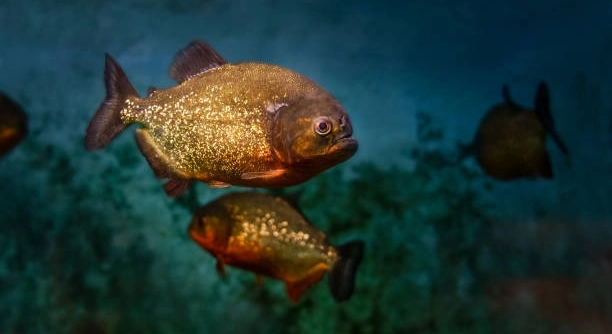
Piranhas are known for their predictable behavior patterns in their natural habitat. These fish follow routines that help them survive, feed, and interact with their environment. Understanding what disrupts these routines can reveal important insights about their behavior.
Several factors can interrupt a piranha’s routine, including changes in water temperature, availability of food, presence of predators, water quality fluctuations, breeding cycles, human interference, and competition within their group. Each of these elements affects their normal activities significantly.
Knowing these interruptions can improve how we observe and care for piranhas in captivity and in the wild. The following points will explain the most common disruptions to their routine in detail.
Changes in Water Temperature
Water temperature plays a crucial role in a piranha’s daily routine. When the temperature rises or falls beyond their comfort zone, it affects their metabolism and activity levels. Piranhas become less active in colder water, which can reduce their feeding and social behaviors. Conversely, warmer water can increase their activity but also stress them if it gets too hot. Sudden temperature changes, such as those caused by weather or human activity, disrupt their normal patterns. Stable water temperature is essential for maintaining their health and predictable behaviors.
Temperature fluctuations can also impact the oxygen levels in the water, adding more stress. Lower oxygen makes it harder for piranhas to breathe, causing them to move less or change their usual locations.
Keeping the water temperature consistent is important, especially for piranhas kept in aquariums. Observing how temperature changes affect their behavior helps in creating a stable environment. This ensures they maintain their routine without unnecessary stress or health risks.
Availability of Food
Food availability directly impacts how piranhas organize their day. When food is scarce, piranhas change their routine to spend more time searching and competing for resources. They may become more aggressive or move to different areas. In contrast, when food is plentiful, their feeding schedule becomes more regular and less stressful. The consistency of food supply supports their natural habits and reduces disruptions in their behavior.
Presence of Predators
Predators force piranhas to change their daily habits to avoid danger. Their usual routines, like feeding and resting, are interrupted by the need to stay alert. This constant vigilance reduces the time spent on other activities and alters their behavior.
When predators are nearby, piranhas tend to form tighter groups, increasing their defense. They may hide more often and reduce movement to avoid attracting attention. This change in social behavior affects their feeding patterns and energy expenditure. The stress caused by predators can lead to long-term changes in their routine if the threat persists. Avoiding areas with predators becomes a priority, which means piranhas may lose access to some feeding grounds or shelter spots.
In some cases, predator presence may cause piranhas to become more aggressive toward other fish, including their own species. This aggression shifts their normal social structure and impacts their ability to maintain regular activities. Understanding this behavior is important for managing piranha habitats in the wild or captivity.
Water Quality Fluctuations
Poor water quality quickly disrupts piranhas’ routines by affecting their health and comfort. Pollutants and changes in pH or oxygen levels cause stress, forcing them to adapt or move to safer areas. This interrupts feeding and social behavior.
When water quality deteriorates, piranhas may spend more time near the surface or areas with better oxygenation. They reduce activity to conserve energy, avoiding tasks like hunting or schooling. Prolonged exposure to poor water can weaken their immune systems, leading to illness and further disruption of their routine. In captivity, regular water changes and monitoring help prevent these problems.
Fluctuations in water conditions affect reproduction as well. Breeding may be delayed or stopped entirely until conditions improve. This disruption impacts population dynamics and long-term survival. Maintaining stable, clean water is essential for piranhas to follow their natural routines without interruption.
Breeding Cycles
Breeding cycles cause significant changes in a piranha’s routine. During this time, they focus more on mating behaviors and nest building. This shift reduces their normal activities like feeding and schooling.
The breeding season also increases aggression among piranhas. They become more territorial and protective, which disrupts their usual social interactions.
Human Interference
Human activity such as pollution, fishing, and habitat destruction interrupts piranhas’ routines. These disturbances often force piranhas to relocate or adapt quickly to new conditions. Human presence can cause stress and unpredictable behavior, affecting their feeding and social habits.
Competition Within Their Group
Competition for food and space among piranhas influences their daily routines. Stronger individuals may dominate resources, forcing others to change their feeding times or locations. This alters normal patterns and social order.
What happens when a piranha’s routine is interrupted by sudden changes in water temperature?
Sudden changes in water temperature can cause piranhas to become stressed, which affects their metabolism and overall behavior. If the water becomes too cold, piranhas slow down and feed less, reducing their activity. On the other hand, if the water heats up quickly, it can increase their activity but also cause discomfort or stress. This stress makes them more vulnerable to disease and reduces their ability to maintain normal social interactions. In extreme cases, sudden temperature shifts may force piranhas to move to other areas where the water is more stable, disrupting their daily routine further.
How does the presence of predators impact a piranha’s daily life?
The presence of predators causes piranhas to prioritize safety over routine activities like feeding or resting. They tend to form tighter groups, which helps protect individuals from attacks but changes how they normally interact. Piranhas may hide more often and limit their movement to avoid drawing attention. This constant state of alertness reduces the time spent on other essential behaviors, such as hunting and socializing. Long-term exposure to predators can lead to increased aggression within the group and alter their social structure. Overall, predator pressure forces piranhas to adapt their routine to survive.
Why does food availability cause changes in a piranha’s routine?
Food availability directly controls how piranhas manage their time and energy. When food is abundant, piranhas follow regular feeding schedules and maintain their usual behaviors. However, during scarcity, they spend more time searching for food and competing with each other. This can increase aggression and force piranhas to explore new areas, changing their normal routine. Prolonged food shortages can weaken piranhas and disrupt their growth and reproduction. A stable and reliable food source is key for maintaining predictable and healthy behaviors.
What effects do water quality fluctuations have on piranhas?
Poor water quality disrupts piranhas by causing physical stress and discomfort. Changes in oxygen levels, pH, or the presence of pollutants make it harder for them to breathe and stay healthy. When water quality drops, piranhas may become less active and spend more time near the surface or cleaner water zones. This behavior reduces their usual feeding and social activities. Over time, poor water quality can lead to disease and even death, further interrupting their routine. Maintaining clean, stable water conditions is essential for normal piranha behavior.
How do breeding cycles interrupt a piranha’s routine?
During breeding, piranhas focus heavily on reproduction-related behaviors such as courtship, nest building, and protecting eggs. These activities reduce the time spent on feeding and social interactions. Breeding seasons also bring increased aggression and territorial behavior as piranhas defend their nesting sites. This shift can disrupt the normal group dynamics and routine feeding patterns. After the breeding season, piranhas usually return to their regular habits, but the temporary change is significant and necessary for reproduction success.
In what ways does human interference affect piranha routines?
Human interference, including pollution, habitat destruction, and fishing, disrupts piranhas’ environments and routines. Pollutants can reduce water quality, causing stress and health issues. Habitat destruction forces piranhas to relocate, breaking their established territories and feeding grounds. Fishing reduces population numbers and alters social structures. The presence of humans can also increase stress levels, causing piranhas to hide or change their behavior. These disruptions make it difficult for piranhas to maintain stable routines and affect their long-term survival.
How does competition within a piranha group change their daily habits?
Competition for food, space, and mates leads to changes in routine among piranhas. Dominant individuals often control the best resources, forcing others to feed at different times or move to less favorable areas. This competition causes shifts in feeding schedules and social interactions. Increased aggression and territorial disputes are common, which can disturb the usual harmony within the group. Some piranhas may become more solitary or change their habits to avoid conflict. This constant adjustment to competition shapes their daily routines and social structure.
The routine of a piranha is shaped by many factors that influence its behavior and daily activities. Changes in the environment, presence of predators, and availability of food all play important roles in how these fish live. Understanding what interrupts their routine helps explain why piranhas sometimes behave differently than expected. Their behavior is not random but a response to conditions around them. This perspective is important for anyone studying or caring for piranhas, whether in the wild or in captivity. It shows that disruptions can cause stress and lead to changes that affect their health and social interactions.
Many interruptions to a piranha’s routine come from natural causes such as breeding cycles or competition within the group. These are normal parts of their life but still cause shifts in how they behave. Other interruptions come from human activity or sudden environmental changes, which can be more harmful. These disruptions may force piranhas to move to new areas, change their feeding habits, or become more aggressive. Such changes can have long-lasting effects on their wellbeing and on the balance of their habitat. Recognizing these factors is necessary for protecting piranhas and ensuring they thrive.
It is clear that piranhas adapt to interruptions in their routine as a survival strategy. They adjust their behavior to stay safe, find food, and reproduce successfully. However, frequent or severe disruptions can cause stress and weaken their ability to cope. Maintaining stable environments and reducing harmful human impacts can help preserve their natural behaviors. This, in turn, supports healthier populations and balanced ecosystems. Being aware of the things that interrupt piranhas’ routines allows us to better understand these fish and the challenges they face in their aquatic world.

Hello,
If you enjoy the content that we create, please consider saying a "Thank You!" by leaving a tip.
Every little bit helps us continue crafting quality advice that supports the health, happiness, and well-being of pets around the world, for pets of all shapes, sizes, and species.
We really appreciate the kindness and support that you show us!