
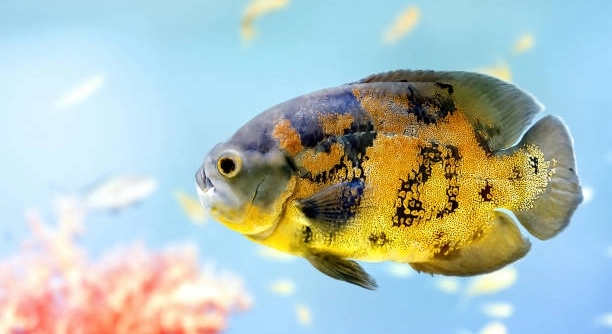
Oscar fish are known for their vibrant personalities and impressive lifespans when given the right care. If you own one, you may be curious about how to maximize their time with you. Here are some key things to consider.
To improve your Oscar fish’s lifespan, proper care is essential. Maintaining a stable environment, providing a balanced diet, and offering consistent water quality are vital factors. Regular tank cleaning, monitoring health, and reducing stress can also contribute to longevity.
By focusing on these aspects, your Oscar fish will thrive for years. Understanding these practices will ensure your fish is happy and healthy in the long run.
Creating a Stable Environment
Maintaining a stable environment is one of the most important factors for improving your Oscar fish’s lifespan. These fish are sensitive to changes in water temperature, pH levels, and other environmental factors. Sudden fluctuations can lead to stress, which can reduce their life expectancy.
Oscar fish thrive in water temperatures between 74 and 80 degrees Fahrenheit, and their tanks should be kept in this range consistently. Regular monitoring of the water’s pH, hardness, and ammonia levels will also ensure they live longer. A good filtration system can help maintain these levels, preventing harmful buildup that could harm your fish.
Oscars are territorial, so they need space to swim freely. Make sure their tank is large enough—at least 75 gallons is recommended for adult fish. A tank with enough space also reduces stress, as overcrowding can negatively affect their well-being. Regular water changes, every two weeks or so, are necessary to maintain a clean environment.
Providing a Balanced Diet
A well-balanced diet is essential for your Oscar fish’s health. It’s crucial to offer them a variety of foods to meet their nutritional needs. High-quality pellets, live food, and frozen options like shrimp or worms can make a big difference in their overall health.
Feeding your Oscar fish two to three times a day ensures they receive the right nutrients. Overfeeding can lead to obesity and water quality problems, so only give them as much food as they can eat in a few minutes. Offering a variety of foods keeps them engaged and supports their growth and energy levels.
Maintaining Clean Water
Regular water changes are essential for keeping your Oscar fish healthy. Poor water quality can lead to a buildup of harmful substances that stress your fish. Perform water changes of about 20-30% every two weeks.
A good filtration system is necessary to keep the water clean between changes. Oscars produce a lot of waste, so a filter that is capable of handling their waste load will help maintain a stable environment. Avoid overfeeding your fish, as excess food can pollute the water. Test the water frequently to ensure the ammonia, nitrites, and nitrates are within safe levels.
Investing in a high-quality filter will help you save time in the long run. Cleaning the filter regularly is just as important. It ensures your filtration system is running at peak performance. If the filter isn’t working well, waste can accumulate, leading to poor water conditions. A clean tank and healthy water are crucial for your Oscar fish’s health and longevity.
Reducing Stress
Stress has a major impact on the health of your Oscar fish. It can weaken their immune system, making them more susceptible to illness. Avoid sudden changes in their environment, such as moving them to a new tank or adding new tank mates.
Aggressive behavior or overcrowding can also lead to stress. Oscars are territorial, and adding fish that invade their space can cause anxiety. It’s essential to maintain a peaceful tank environment. Provide hiding spots, plants, and decorations that give your Oscar a sense of security.
A stable, calm atmosphere is key for promoting your fish’s well-being. Monitor their interactions with tank mates and watch for signs of aggression. Keeping the tank environment predictable and safe ensures your fish remain healthy and stress-free.
Proper Tank Size
Oscar fish require plenty of space to grow and thrive. A minimum of 75 gallons is recommended for one adult Oscar. Tanks that are too small can cause stress, aggression, and health problems due to limited swimming space.
The larger the tank, the easier it is to maintain stable water conditions. A bigger tank will also provide more room for your Oscar to swim and exercise, promoting better overall health. It’s important to account for the size of the fish and not overcrowd the tank with other species, as this can create unnecessary stress.
Tank Lighting
Oscar fish benefit from having a consistent day and night cycle. Using a timer to control the lighting helps mimic natural conditions. Avoid overly bright lights, as this can cause stress.
A moderate light level is best for their well-being. It helps regulate their biological clock and prevents disruption to their daily routine. Light intensity can also impact their behavior, so ensure the tank lighting is not too harsh or disruptive to their environment.
Regular Health Checks
Regular health checks are important to detect any potential issues early. Watch for changes in your Oscar’s behavior, appetite, or appearance. Signs of illness can include lethargy, discoloration, or bloating. Early detection is key.
Inspect your Oscar fish’s gills, fins, and body regularly for signs of infection or injury. If any changes are noticed, seek advice from a vet experienced with fish health. Quick action can prevent minor issues from becoming serious. Regular monitoring helps ensure your Oscar fish remains healthy for a long time.
FAQ
How long do Oscar fish live?
Oscar fish typically live for 10 to 15 years in a well-maintained aquarium. Some have even been known to live longer with proper care. Ensuring they have a stable environment, a balanced diet, and regular health checks can significantly contribute to their lifespan.
What size tank does an Oscar fish need?
An Oscar fish requires a minimum of 75 gallons for one adult. A larger tank is ideal for promoting good health and providing enough space to swim freely. If you plan on keeping multiple Oscars or other tank mates, a larger tank is necessary to avoid overcrowding.
Can Oscar fish live with other fish?
Oscar fish are known to be territorial and can be aggressive, especially towards smaller fish. They may get along with other large fish, but it’s important to monitor interactions closely. Species like large cichlids or catfish are typically more compatible with Oscars.
What is the best diet for an Oscar fish?
A balanced diet is essential for your Oscar’s health. Feed them a mix of high-quality pellets, frozen foods like shrimp, and occasional live food like worms. Offering a variety of foods helps meet their nutritional needs and prevents boredom.
How often should I feed my Oscar fish?
Feed your Oscar fish two to three times a day, offering only as much food as they can consume in a few minutes. Overfeeding can cause water quality issues and obesity. Regular feeding schedules help maintain their energy levels and overall health.
Why is my Oscar fish turning black?
Oscars may turn black due to stress, illness, or environmental changes. Stress from water quality issues, tank mate aggression, or sudden changes in the tank can cause this color change. Monitor their environment closely and address any potential problems immediately.
What is the best water temperature for an Oscar fish?
Oscar fish prefer water temperatures between 74 and 80 degrees Fahrenheit. Maintaining a stable temperature within this range helps prevent stress and supports their immune system. Using a reliable heater and thermometer ensures that the water remains consistent.
How do I know if my Oscar fish is stressed?
Signs of stress in Oscar fish can include erratic swimming, hiding, loss of appetite, and color changes. Stress can be caused by poor water quality, tank overcrowding, or aggressive tank mates. Ensure their environment is stable and peaceful to reduce stress.
Can Oscar fish live in fresh or saltwater?
Oscar fish are freshwater fish and should be kept in freshwater tanks only. Saltwater environments can harm them, as they are not adapted to saline conditions. Ensure the tank’s salinity levels are kept at zero for a healthy environment.
How can I prevent diseases in my Oscar fish?
Regular water changes, proper filtration, and maintaining a stable environment are the best ways to prevent diseases. Quarantining new fish before introducing them to your tank helps prevent the spread of potential infections. Keeping an eye on your Oscar’s behavior and appearance is key for early detection.
Is it necessary to have a filter for Oscar fish?
Yes, a high-quality filter is crucial for Oscar fish, as they produce a lot of waste. A good filter helps maintain water quality by removing debris and harmful substances like ammonia. Regular cleaning and maintaining the filter will help keep the water in optimal condition.
How do I clean my Oscar fish’s tank?
Clean your Oscar fish’s tank every two weeks by removing 20-30% of the water and replacing it with fresh, conditioned water. Scrub the tank’s glass and clean the substrate to remove waste. Always rinse the decorations and filter media with water (not soap) to prevent harmful chemicals.
Why is my Oscar fish not eating?
Loss of appetite can be a sign of stress, illness, or poor water quality. If your Oscar stops eating, check the water parameters and ensure there are no sudden changes in the environment. If the issue persists, it may be a sign of an underlying health problem.
Can Oscar fish live without a filter?
While it’s possible to keep an Oscar without a filter, it is not recommended. Oscars produce a significant amount of waste, and without proper filtration, the water quality will degrade quickly. It’s essential to have a filter to ensure the health and longevity of your fish.
How often should I change the water in my Oscar fish’s tank?
Change the water in your Oscar fish’s tank every two weeks, replacing around 20-30% of the water each time. More frequent water changes may be necessary if the tank is overstocked or if water parameters are out of balance.
What are the signs of a healthy Oscar fish?
A healthy Oscar fish has vibrant colors, smooth skin, and is active. They should be swimming freely and eating well. Regularly checking for signs of illness, such as lethargy, faded color, or visible lesions, helps ensure they remain in good health.
How can I tell if my Oscar fish is male or female?
It can be difficult to differentiate between male and female Oscars just by appearance. Males tend to be slightly larger, with more vibrant coloration, while females are generally smaller and rounder, especially when full of eggs. However, these differences can be subtle.
Do Oscar fish need a heater?
Yes, Oscar fish require a heater to maintain the proper water temperature between 74 and 80 degrees Fahrenheit. Stable temperatures are crucial for their health, as fluctuations can lead to stress and illness. Invest in a reliable heater and thermometer to maintain consistency.
Final Thoughts
Caring for an Oscar fish requires dedication and attention to detail. These fish are known for their intelligence and distinct personalities, making them rewarding pets for those willing to put in the effort. Providing the right tank size, water conditions, and diet is essential to keeping them healthy and happy. It’s important to remember that Oscars grow quite large, and they need ample space to swim freely and thrive. Regular water changes, proper filtration, and monitoring of water quality are key factors in maintaining a stable environment for your fish.
In addition to the physical environment, the social aspect of Oscar care is important. These fish can be territorial and may not always get along with other species. It’s crucial to consider their temperament when selecting tank mates. If you choose to keep more than one Oscar, make sure they have enough space to reduce the chance of aggression. Providing enrichment, such as hiding spots or objects to explore, can help keep your fish engaged and reduce stress. It’s also beneficial to observe your fish closely for any signs of illness or discomfort, as early intervention can prevent bigger problems later on.
Overall, Oscars can live long, healthy lives with proper care and attention. Their large size and dynamic behavior make them a unique addition to any aquarium. By maintaining a stable environment, feeding a balanced diet, and monitoring their health regularly, you can ensure your Oscar fish will thrive. Understanding their needs and providing for them will make the experience of keeping an Oscar both enjoyable and rewarding. With time, patience, and the right care, your Oscar can become a cherished member of your aquarium.

Hello,
If you enjoy the content that we create, please consider saying a "Thank You!" by leaving a tip.
Every little bit helps us continue crafting quality advice that supports the health, happiness, and well-being of pets around the world, for pets of all shapes, sizes, and species.
We really appreciate the kindness and support that you show us!