
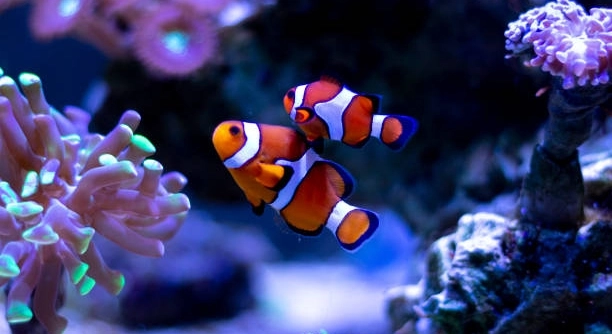
Clownfish are popular aquarium fish known for their bright colors and lively behavior. Their energy levels can change depending on several factors in their environment and care. Understanding what affects their activity helps keep them healthy and happy.
Several factors impact clownfish energy levels, including water temperature, oxygen availability, diet quality, tank size, stress from other fish, light exposure, and overall water quality. These elements directly influence their metabolism, behavior, and well-being.
Knowing what affects clownfish energy can help you provide better care. This article explains the key points that shape how active your clownfish will be.
Water Temperature and Its Effects
Water temperature is one of the most important factors that affect clownfish energy levels. Clownfish thrive best in water between 74°F and 79°F (23°C to 26°C). If the water gets too cold, their metabolism slows down, and they become less active. On the other hand, water that is too warm can cause stress and make them tire easily. Sudden changes in temperature are also harmful, as clownfish need time to adjust. Keeping the water stable helps maintain consistent energy and behavior. Regularly checking the temperature with a reliable heater and thermometer ensures a comfortable environment. This stability supports their immune system and overall health, reducing the risk of illness that can also drain energy. By controlling temperature carefully, you create a space where your clownfish can swim and explore freely without feeling weak or sluggish.
Water temperature directly affects how much energy clownfish have. Proper, steady warmth keeps them active and healthy.
Maintaining the right water temperature is simple but essential. A quality aquarium heater helps keep the water within the right range. Avoid placing the tank near windows or vents where temperature can fluctuate. When setting up your tank, choose equipment designed for tropical fish. Watch your clownfish’s behavior closely; sluggish or hiding fish may indicate temperature problems. Adjust the heater gradually if needed, and avoid sudden changes. Consistent temperature not only supports energy levels but also encourages breeding and normal activity patterns. Small efforts in temperature control can make a big difference in keeping your clownfish lively and strong.
Diet Quality and Feeding Habits
A clownfish’s diet plays a crucial role in their energy levels. Feeding them a balanced diet rich in protein, vitamins, and minerals helps maintain their strength and vitality. Poor nutrition can lead to low energy, dull colors, and health issues. Clownfish eat a variety of foods such as flakes, pellets, frozen or live brine shrimp, and small bits of seafood. Offering different types of food keeps them interested and ensures they get all necessary nutrients. Overfeeding, however, should be avoided as it can cause obesity and water quality problems. Feeding small amounts two to three times a day is ideal. Watching how your clownfish responds to food can guide you in adjusting portion sizes and feeding frequency to keep their energy consistent and high.
Balanced nutrition directly supports clownfish energy and overall health. Quality food and proper feeding habits keep them lively and bright.
Feeding your clownfish well is about more than just putting food in the tank. Fresh, nutrient-rich food fuels their metabolism and helps them stay active. Include a mix of protein-rich items like brine shrimp and quality commercial food. Rotate the diet to prevent boredom and ensure complete nutrition. Avoid overfeeding, as excess food pollutes the tank and reduces oxygen, affecting energy. Pay attention to feeding times and amounts, creating a routine that your clownfish can rely on. When their diet is right, they swim more energetically and show brighter colors. This care also reduces stress and boosts their immune system. Healthy feeding habits contribute directly to vibrant, energetic clownfish that enjoy their home.
Tank Size and Space
Clownfish need enough space to swim freely. A small tank limits their movement and can lower their energy levels. A minimum of 20 gallons is recommended for a single pair to stay active and healthy.
A cramped tank stresses clownfish and restricts their natural behavior. Without enough room, they may become less energetic and show signs of distress. Larger tanks provide better water quality and more stable conditions, which also support energy. Ample space encourages swimming and exploring, which keeps clownfish mentally and physically engaged. Proper tank size helps reduce aggression and competition for territory, improving overall well-being.
A spacious tank also makes it easier to maintain good water conditions. More water volume dilutes toxins and helps keep temperature and oxygen stable. This stability allows clownfish to conserve energy instead of dealing with environmental stress. The right tank size is a key factor in promoting healthy, energetic clownfish.
Stress from Tank Mates
Stress caused by aggressive or incompatible tank mates can reduce clownfish energy levels. Peaceful companions help maintain calm and allow clownfish to thrive.
Aggressive fish create a stressful environment, forcing clownfish to hide or defend themselves. This constant tension drains energy and may lead to illness. Choosing peaceful, compatible species encourages natural behavior and activity. Providing hiding spots and territory boundaries also reduces stress. Monitoring interactions helps prevent bullying and promotes a balanced community.
When clownfish feel safe, they swim more confidently and remain energetic. Avoid overcrowding to minimize stress and improve water quality. A calm tank environment directly supports healthy, active clownfish with strong energy.
Oxygen Levels
Oxygen levels in the tank directly affect clownfish energy. Low oxygen makes them weak and less active. Proper aeration ensures they have enough oxygen to swim and stay lively.
Using air stones or strong filters helps keep oxygen circulating. Regular water changes also improve oxygen content and overall tank health.
Light Exposure
Clownfish need a regular light cycle to maintain their natural rhythm. Too much or too little light can disrupt their behavior and energy.
A consistent schedule of 8-12 hours of light per day supports healthy activity and rest patterns, keeping clownfish balanced and energetic.
Water Quality
Maintaining clean water is essential for clownfish energy. Poor water quality causes stress and illness, reducing their activity levels.
Regular testing and water changes help keep ammonia, nitrites, and nitrates low. Clean water supports strong metabolism and vibrant energy in clownfish.
How do I know if my clownfish has low energy?
Low energy in clownfish can show as sluggish swimming, hiding more than usual, or a lack of interest in food. They may stay near the bottom or stay still for long periods. Watching your fish daily helps you notice these changes early, so you can address the problem quickly.
What water temperature is best for clownfish energy?
Clownfish do best in water between 74°F and 79°F (23°C to 26°C). Temperatures outside this range can slow their metabolism or cause stress. Use a reliable aquarium heater and thermometer to keep the temperature stable, avoiding sudden changes that might lower their activity.
Can diet really affect clownfish energy that much?
Yes, diet is crucial for clownfish energy. A balanced diet with protein, vitamins, and minerals keeps them strong and active. Feeding a mix of flakes, pellets, and occasional live or frozen foods ensures they get proper nutrition. Overfeeding or poor-quality food can lead to low energy and health problems.
How important is tank size for clownfish activity?
Tank size matters a lot. A small tank limits space, making clownfish less active and more stressed. At least 20 gallons is recommended for a pair. Larger tanks provide stable water conditions and room to swim, helping clownfish stay energetic and healthy.
What should I do if my clownfish is stressed by other fish?
Stress from tank mates can drain energy. Remove aggressive fish or separate them if possible. Choose peaceful companions and provide hiding spots to reduce tension. Keeping a calm environment lets clownfish feel safe and swim confidently, boosting their energy.
How does oxygen affect clownfish energy?
Oxygen is vital. Low oxygen in the water makes clownfish weak and inactive. Use air stones, strong filters, and regular water changes to keep oxygen levels high. Well-oxygenated water supports metabolism and keeps your clownfish lively.
Can lighting impact clownfish behavior?
Yes, light affects their natural rhythms. Too much or too little light can disrupt their activity and rest cycles. A consistent schedule of 8-12 hours of light daily helps clownfish maintain balanced energy and normal behavior.
Why is water quality so important for clownfish energy?
Poor water quality causes stress, disease, and low energy. High ammonia, nitrites, or nitrates can harm clownfish. Regular testing and water changes keep the water clean, supporting healthy metabolism and active swimming.
How often should I feed my clownfish to keep their energy up?
Feeding small amounts two to three times daily works best. This schedule keeps energy steady without overfeeding, which can pollute water and reduce oxygen. Watch your fish’s appetite and adjust portions to keep them healthy and energetic.
What signs show my clownfish is recovering energy?
Increased swimming activity, brighter colors, and normal feeding behavior are good signs. Your clownfish will explore more and interact with tank mates. Consistent energy and calm behavior indicate they are feeling better and healthy again.
Clownfish energy levels depend on many factors working together. Paying attention to water temperature, diet, tank size, and water quality helps keep them active and healthy. Each factor affects how clownfish feel and behave every day. When these needs are met, clownfish show brighter colors, swim more freely, and enjoy their environment. Neglecting even one element can make them less energetic or stressed. By understanding what influences their energy, it becomes easier to provide good care and create a comfortable home for them.
Keeping water temperature steady is one of the most important things for clownfish energy. Sudden changes or temperatures outside their comfort zone can cause stress and tiredness. Feeding them a balanced diet is equally important. Good nutrition fuels their body and keeps their metabolism working properly. Overfeeding or poor food quality can harm their health and lower their activity. A proper tank size gives them room to swim and explore, which also supports mental and physical well-being. Clean, well-oxygenated water is another key factor that supports energy and prevents illness.
When all these factors come together, clownfish thrive and stay lively. Watching their behavior regularly helps spot any changes early, so problems can be fixed before they get worse. If clownfish seem less active, checking water conditions, diet, and tank mates is a good first step. Adjusting the environment to suit their needs makes a big difference in their energy and happiness. Taking care of clownfish means paying attention to small details and creating a steady, balanced habitat. This effort leads to healthy fish that brighten any aquarium with their energy and color.

Hello,
If you enjoy the content that we create, please consider saying a "Thank You!" by leaving a tip.
Every little bit helps us continue crafting quality advice that supports the health, happiness, and well-being of pets around the world, for pets of all shapes, sizes, and species.
We really appreciate the kindness and support that you show us!