
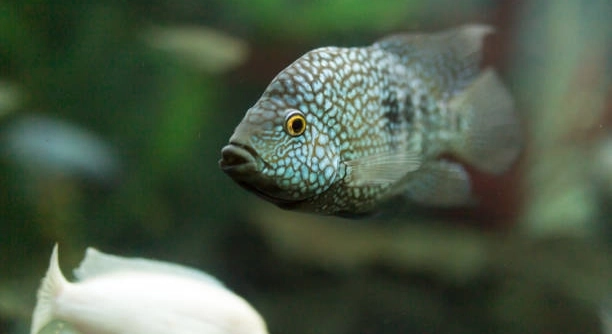
Jack Dempsey fish are beautiful and striking, but they can take time to adjust to a new environment. Observing their behavior and providing proper care helps them feel secure and start exploring their tank confidently.
Creating a stable and suitable environment is key for Jack Dempsey fish to settle quickly. Proper tank temperature, hiding spots, minimal disturbance, and consistent feeding schedules reduce stress and promote natural behaviors essential for rapid acclimation.
Knowing how to set up the tank and introduce these fish correctly can save time and prevent unnecessary stress for your Jack Dempsey.
Provide Proper Tank Size and Setup
Jack Dempsey fish need ample space to swim and establish territories. A tank of at least 55 gallons is ideal for one adult, with extra room for additional fish. The bottom should have fine gravel or sand, as they enjoy digging and rearranging the substrate. Rocks, driftwood, and plants create hiding spots that reduce stress and allow them to feel secure. Position decorations to form distinct areas, giving them private spaces and open swimming areas. Avoid overcrowding, which can trigger aggression and slow acclimation. Proper filtration is also crucial to maintain water quality, as poor conditions lead to stress and illness. Regular water testing ensures that ammonia, nitrite, and nitrate levels remain safe. Gradual introduction of plants and decorations helps fish adjust to their surroundings without sudden changes. Keeping the tank clean and organized promotes a calm environment where Jack Dempsey fish can settle and thrive naturally.
Providing sufficient space and hiding spots is essential to reduce stress. These steps help fish explore safely and feel secure.
Correct setup goes beyond size. It includes arranging decorations, ensuring proper filtration, and selecting substrate that encourages natural behavior. By mimicking their natural habitat, fish display normal swimming and territorial patterns. Plants and rocks offer shelter and prevent conflicts by allowing retreats. Maintaining stable water parameters and gentle lighting further support comfort. Observing their behavior during initial days can reveal if they feel secure or stressed, allowing for small adjustments. A well-set tank minimizes aggression and promotes feeding, helping them adapt faster.
Maintain Consistent Water Conditions
Stable water conditions are critical for Jack Dempsey fish to settle quickly. Sudden changes in temperature, pH, or hardness can stress them, reducing appetite and activity. Regular monitoring ensures conditions remain within safe ranges.
Fluctuating conditions slow adjustment and increase vulnerability to disease. Consistency supports natural behavior and reduces stress, helping fish feel at home sooner.
Maintaining water stability requires consistent temperature, usually between 74–80°F, and pH around 6.5–7.5. Filtration should provide steady water flow and oxygenation while avoiding strong currents that may overwhelm the fish. Partial water changes, about 20% weekly, remove waste without shocking the tank. Avoid introducing chemicals abruptly, including medications or new water additives, as these can disrupt balance. If using tap water, treat it to remove chlorine or chloramine before adding it to the tank. Testing kits for ammonia, nitrites, and nitrates help track changes early. Gradual adjustments during tank maintenance preserve a predictable environment. Fish acclimate faster when their surroundings are stable, leading to better feeding, less hiding, and more natural swimming patterns. Observing them over the first few weeks confirms if conditions are suitable.
Introduce Hiding Spots
Hiding spots help Jack Dempsey fish feel safe and reduce stress. They need areas to retreat when exploring or adjusting. Rocks, caves, and plants create secure spaces that encourage natural behavior and faster settling.
Providing multiple hiding areas prevents territorial disputes and allows the fish to choose comfort zones. Caves and driftwood work well, while sturdy plants add cover and boundaries. Arrange these strategically to create both open swimming areas and private retreats. Avoid overcrowding with decorations, which can restrict movement. Fish that feel secure tend to explore more, feed regularly, and show calmer behavior, making acclimation smoother and faster. Monitoring their interactions with these spaces helps identify which areas they prefer and ensures each fish has a personal refuge.
Observing fish behavior around hiding spots shows their comfort level. Adjusting placement or adding more shelters can help them feel safe and reduce aggression.
Gradual Feeding Adjustments
Introduce food slowly to prevent stress and promote appetite. Sudden diet changes can confuse Jack Dempsey fish and delay acclimation. Use familiar food first, then slowly introduce new options to expand their diet.
Start with small amounts of food once or twice a day. Monitor consumption and remove uneaten portions to prevent water quality issues. Gradually offer variety, such as pellets, frozen, or live foods, to provide balanced nutrition. Feeding at consistent times helps establish routines, making fish feel secure. Avoid overfeeding, which can lead to obesity and tank pollution.
Consistency in feeding encourages natural hunting and foraging behavior. Fish that recognize feeding patterns settle faster, remain active, and maintain healthy weight. Adjust portions as they grow or if behavior changes. Patience during this process ensures they adapt to both diet and tank conditions effectively.
Minimize Tank Disturbance
Jack Dempsey fish are sensitive to sudden movements or frequent tapping on the glass. Limiting disturbances helps them feel secure and reduces stress during the settling period.
Routine maintenance should be gentle and quiet. Avoid rearranging decorations or overhandling the tank, which can unsettle the fish and slow acclimation.
Keep Compatible Tank Mates
Choosing peaceful or similarly sized tank mates prevents aggression. Avoid small, fast-moving fish that may trigger chasing behavior. Carefully monitoring interactions ensures a calm environment and faster settling.
Selecting compatible species reduces stress and allows Jack Dempsey fish to establish territories without constant conflict. Observing behavior during the first weeks helps identify if adjustments are needed.
Maintain Proper Lighting
Moderate lighting replicates natural conditions. Bright or inconsistent light can stress the fish and delay settling.
Monitor Health Closely
Watch for signs of illness or stress. Early detection ensures timely care and keeps fish comfortable while settling.
FAQ
How long does it take for Jack Dempsey fish to settle in a new tank?
Jack Dempsey fish usually take one to two weeks to adjust to a new environment. Stress levels and individual temperament can influence this timeline. Providing proper tank setup, hiding spots, consistent water conditions, and minimal disturbance helps them acclimate faster. Monitoring their behavior during this period ensures they are eating and exploring normally.
What water temperature is best for settling Jack Dempsey fish?
The ideal water temperature is between 74 and 80°F. Maintaining a stable temperature prevents stress and supports their metabolism. Sudden fluctuations can cause hiding, loss of appetite, and even illness. Using a reliable heater and thermometer helps maintain steady conditions, which encourages faster adaptation.
Do Jack Dempsey fish need plants to feel secure?
Yes, plants are very helpful. They provide cover, reduce stress, and give fish spaces to hide or explore. Sturdy, broad-leaved plants are ideal, as they withstand digging. Combining plants with rocks or driftwood creates a balanced environment that feels natural and safe.
How often should I feed them during the settling period?
Feeding once or twice a day in small amounts is recommended. Overfeeding can pollute the tank and stress fish. Start with familiar food and gradually introduce new types. Regular feeding schedules help Jack Dempsey fish feel secure and encourage normal behavior.
Can Jack Dempsey fish live with other species immediately?
Not always. They are territorial, especially when newly introduced. Choose similarly sized, peaceful tank mates and observe interactions closely. Gradual introductions help prevent aggression and ensure all fish can establish territories safely.
Do hiding spots really make a difference in their settling process?
Absolutely. Caves, rocks, driftwood, and plants allow fish to retreat when stressed. Multiple hiding areas prevent conflicts and give each fish a personal space. Observing which areas they prefer helps optimize tank layout and ensures comfort.
What are the signs that my Jack Dempsey is stressed?
Stress signs include hiding excessively, loss of appetite, rapid gill movement, or aggression. Pale coloring and lethargy are also indicators. Early detection allows adjustments to water quality, tank setup, or feeding, helping the fish recover quickly and settle properly.
How important is water quality for acclimation?
Water quality is critical. Stable pH, ammonia-free water, and proper filtration prevent stress and disease. Partial water changes and regular testing maintain a healthy environment. Clean, stable water allows Jack Dempsey fish to explore, feed, and establish territories confidently.
Should I rearrange the tank while they are settling?
Avoid rearranging decorations or adding new elements suddenly. Stability helps fish feel secure. Gradual changes, if necessary, can be done slowly over days to avoid shocking the fish and prolonging the adjustment period.
Can temperature or lighting changes affect their acclimation?
Yes. Sudden shifts in temperature or intense lighting can stress them. Moderate, consistent lighting and a stable heater help mimic natural conditions, encouraging normal swimming and feeding behaviors. Gradual adjustments are always safer if changes are needed.
Is it necessary to quarantine new fish before adding them to the tank?
Quarantining is recommended to prevent introducing disease. A two-week period in a separate tank allows observation for illness and reduces the risk of stress or infection for both new and existing fish.
How do I know if they are fully settled?
Signs of full acclimation include regular swimming, consistent feeding, bright colors, and calm behavior. They will explore the tank confidently and establish territories without excessive hiding. Monitoring these behaviors over a few weeks confirms successful settling.
Can stress affect their long-term health?
Yes. Prolonged stress weakens immunity and increases susceptibility to illness. Maintaining proper tank conditions, feeding schedules, hiding spots, and minimizing disturbances ensures they remain healthy and adjust quickly to their environment.
Are there foods that help Jack Dempsey fish adapt faster?
High-quality pellets, frozen, or live foods support energy and immune health. Balanced nutrition encourages feeding and activity, helping them settle faster. Introduce new foods gradually to prevent digestive upset and maintain water quality.
What should I do if my fish isn’t eating during the first days?
Loss of appetite is common due to stress. Ensure water conditions are stable, hiding spots are available, and lighting is moderate. Offer small amounts of familiar food. Patience and consistent care usually restore feeding behavior within a few days.
Is it normal for them to hide most of the time initially?
Yes. Hiding is a natural response to a new environment. Multiple shelters give them confidence to explore gradually. Over time, as they feel secure, they will spend more time swimming and interacting with their surroundings.
Can tank size affect how quickly they settle?
A spacious tank reduces territorial stress and allows natural swimming. Crowded conditions increase aggression and slow acclimation. Providing at least 55 gallons for a single adult helps create a comfortable, stress-free environment.
Do Jack Dempsey fish recognize their owners?
While they may not bond like pets, they notice movement and feeding patterns. Recognizing routine interactions can reduce stress and make feeding times predictable, which supports faster settling.
How do I prevent aggression during the settling period?
Provide hiding spots, stable water conditions, and compatible tank mates. Avoid sudden changes or overcrowding. Observing behavior allows timely adjustments. Proper setup and management reduce fights and help all fish feel secure while adjusting.
Are there any signs that indicate I need to adjust the tank setup?
Excessive hiding, chasing, or loss of appetite suggests adjustments are needed. Rearrange decorations, provide additional shelters, or ensure proper water quality to address stressors. Small changes help fish adapt more quickly without causing further disruption.
How long should I observe new fish before expecting full acclimation?
Typically, one to two weeks. Some individuals may take longer depending on temperament and environment. Consistent monitoring ensures they are feeding, exploring, and showing normal behavior patterns before considering them fully settled.
What is the most common mistake that slows acclimation?
Frequent disturbance, poor water quality, and sudden changes in temperature or tank layout are major issues. Patience, stability, and careful observation help Jack Dempsey fish adapt quickly and maintain health.
Can stress from settling affect coloration?
Yes. Pale or dull colors indicate stress. Proper hiding spots, stable water, and regular feeding restore vibrancy as the fish feel secure and acclimate to their new surroundings.
How important is tank maintenance during the settling phase?
Regular but gentle maintenance keeps water clean without shocking fish. Partial water changes, filter checks, and substrate cleaning maintain stable conditions that encourage healthy behavior and rapid adaptation.
Do Jack Dempsey fish need companions to settle comfortably?
Not necessarily. Some prefer solitary conditions during initial settling. If kept with compatible species, ensure enough space and hiding spots to prevent aggression and reduce stress during adjustment.
Can lighting schedules impact their behavior?
Consistent light and dark periods support normal activity. Sudden bright lights or irregular schedules can stress fish and slow exploration. Moderate, predictable lighting helps establish routines and comfort in the tank.
Are there any environmental cues that help them feel secure?
Shelters, stable water, consistent feeding, and minimal disturbance are key. Observing which areas they prefer and adjusting the environment accordingly ensures confidence and promotes faster settling.
Is it normal for Jack Dempsey fish to be aggressive at first?
Yes. Territorial behavior is natural. Providing space, hiding spots, and compatible tank mates minimizes conflict. Aggression usually decreases as they settle and establish secure areas.
How can I tell if they are exploring the tank confidently?
Confident fish swim openly, investigate surroundings, and feed without hiding. They interact with decorations naturally and establish territories, showing they are comfortable and acclimated.
What should I do if my fish continues hiding after several weeks?
Reassess tank setup, water quality, and lighting. Add additional shelters or reduce disturbances. Persistent hiding may indicate stress, illness, or incompatible tank conditions that need attention.
Can Jack Dempsey fish adapt to new environments quickly?
With proper care, they adapt within one to two weeks. Stable water, hiding spots, gentle feeding, and minimal disturbances accelerate acclimation and help them establish comfort and routine.
How does temperature stability affect feeding behavior?
Consistent temperature supports metabolism and appetite. Sudden changes can suppress feeding, making fish less active and slower to acclimate. Stable conditions encourage regular eating and exploration.
Is it necessary to provide live food for settling?
Not required, but live food can stimulate natural hunting instincts. Offering a mix of high-quality pellets, frozen, or live food promotes activity, encourages feeding, and supports faster acclimation.
How do I balance tank decor for safety and swimming space?
Provide sufficient hiding spots while leaving open swimming areas. Avoid overcrowding decorations. Balanced layout ensures fish feel secure without limiting natural movement, reducing stress, and promoting exploration.
Can stress cause long-term behavior changes?
Chronic stress can lead to aggression, lethargy, and reduced immunity. Proper care, minimal disturbance, and stable conditions prevent long-term negative effects and encourage normal behavior patterns.
Are there any tips for observing their behavior without stressing them?
Move slowly and avoid tapping on the glass. Use quiet observation from a distance, noting feeding, swimming, and hiding patterns. Minimal interference ensures accurate assessment of comfort and health.
Does the type of substrate affect their settling?
Yes. Sand or fine gravel allows natural digging behavior and reduces stress. Sharp or coarse substrates can cause injury and discomfort, slowing adaptation and exploration.
How do I prevent water pollution during the acclimation phase?
Feed small portions, remove uneaten food, and perform gentle partial water changes. Proper filtration and regular monitoring maintain clean water, which supports health and reduces stress during settling.
Are Jack Dempsey fish sensitive to noise?
Yes. Loud or sudden noises can stress them. Placing the tank in a quiet area reduces anxiety and encourages normal exploration and feeding behavior.
Can seasonal changes affect their settling?
Significant seasonal temperature fluctuations may require adjustments in heating. Consistent temperature and lighting throughout the year help maintain comfort and normal behavior.
Do Jack Dempsey fish need social interaction during settling?
Interaction with other fish is situational. Some prefer solitude initially. If housed with compatible species, they benefit from balanced social exposure, reducing stress and encouraging normal exploration.
How important is observation during the first week?
Crucial. Monitoring behavior, feeding, and hiding allows early intervention if issues arise. Early adjustments prevent stress and ensure faster acclimation and long-term health.
What is the role of tank cover or lid during settling?
A secure lid prevents escapes and reduces stress by limiting outside disturbances. It also helps maintain consistent water parameters and protects fish from sudden environmental changes.
Can adding new decorations later affect settled fish?
Yes. Sudden additions may trigger stress or hiding. Introduce new items gradually and observe reactions to maintain comfort and avoid disrupting established territories.
Are Jack Dempsey fish affected by reflections in the glass?
Reflections can sometimes stress territorial fish. Minimizing strong external light and avoiding frequent tapping helps reduce perceived threats and supports calm behavior.
Should I adjust lighting for newly introduced fish?
Yes, soft and consistent lighting encourages exploration without causing stress. Gradual changes in brightness are preferable over sudden increases to maintain comfort.
How do I handle sudden health issues during settling?
Isolate affected fish if needed, maintain water quality, and treat appropriately. Prompt action prevents spread and reduces stress, helping remaining fish continue to acclimate normally.
Is it normal for them to rearrange substrate?
Yes, it is natural behavior. Digging and moving sand or gravel helps them feel secure and mark territory. Providing suitable substrate supports this instinct.
Can tank size changes affect settled fish?
Yes. Expanding or reducing tank size may disrupt established territories. Gradual adjustments and additional hiding spots help them adapt without prolonged stress.
Do Jack Dempsey fish prefer specific tank zones?
They often establish preferred areas near hiding spots or moderate flow regions. Observing patterns helps optimize tank layout and ensures comfort for all fish.
Is it better to keep them alone at first?
Solitary initial acclimation reduces aggression and stress. Once confident and comfortable, gradual introduction of compatible tank mates is safer.
How do I reduce aggression if it occurs?
Provide extra hiding spots, rearrange decorations, and ensure sufficient space. Observing behavior allows timely adjustments and minimizes stress while maintaining a calm environment.
Do they require specific water hardness?
Moderate hardness is ideal. Extreme soft or hard water can stress them. Regular testing and adjustments help maintain optimal conditions for fast acclimation.
Are Jack Dempsey fish sensitive to chemical cleaners?
Yes, residues from cleaners or soaps can be harmful. Only use aquarium-safe products and rinse thoroughly to prevent chemical stress or poisoning.
Does feeding live versus frozen food affect settling?
Live food may stimulate hunting and reduce stress, while frozen or pellet food is easier to manage. A balanced mix supports health and encourages acclimation.
How long should I wait before adding new fish?
Wait until current fish are fully settled, typically two weeks. Full acclimation reduces stress and aggression when introducing new tank mates.
Can stress cause appetite loss long-term?
Prolonged stress may lead to reduced feeding and health problems. Maintaining a stable, comfortable environment ensures consistent appetite and normal behavior.
How can I tell if the tank setup is ideal?
Settled fish swim confidently, feed regularly, and use hiding spots naturally. Adjustments are needed if stress behaviors persist.
Is it normal for them to explore slowly?
Yes. Gradual exploration indicates caution and adjustment. Patience and stable conditions encourage confidence and natural behavior.
Do Jack Dempsey fish recognize their territory?
Yes, they mark and defend preferred areas. Established territory reduces stress and helps them feel secure.
How important is gradual introduction to new food types?
Crucial. Sudden diet changes can stress them and affect water quality. Introduce new foods slowly to maintain health and encourage feeding.
Can overfeeding slow settling?
Yes. Overfeeding pollutes the tank and stresses fish. Small, consistent portions maintain water quality and support healthy acclimation.
What is the best way to observe early signs of stress?
Watch behavior, color, and appetite. Excessive hiding, pale color, or aggression indicates stress and need for adjustment.
Do Jack Dempsey fish need regular social interaction after settling?
Not always. They may prefer solitude or limited interaction, depending on temperament. Observing behavior guides social exposure.
Can frequent tank cleaning delay acclimation?
Yes. Excessive cleaning disrupts water stability and frightens fish. Gentle, consistent maintenance supports fast settling.
How does water pH affect behavior?
Stable pH prevents stress and supports feeding, swimming, and territorial behavior. Sudden shifts can cause hiding or aggression.
Are Jack Dempsey fish affected by strong tank currents?
Strong currents can stress them and slow settling. Moderate, even water flow encourages comfortable exploration and natural behavior.
How do I know if hiding spots are sufficient?
If fish explore confidently and feed regularly while still using shelters occasionally, hiding spots are adequate.
Is temperature fluctuation a common problem?
Yes, rapid changes stress fish. Using heaters, checking water daily, and avoiding drafts maintains stability for fast acclimation.
Can stress affect coloration permanently?
Chronic stress may cause dull colors long-term. Proper care and stable conditions usually restore normal vibrancy.
Do Jack Dempsey fish prefer dark or light areas initially?
They often prefer dim areas at first for security, gradually exploring brighter spaces as confidence grows.
Should I limit human interaction during acclimation?
Yes. Observing from a distance reduces stress and allows fish to settle comfortably.
Can tank mates influence settling speed?
Peaceful, compatible tank mates encourage confidence, while aggressive or small fish may slow adjustment and increase stress.
How can I create a natural environment without overcomplicating the tank?
Use a few hiding spots, proper substrate, moderate plants, and steady water conditions. Keep swimming space open and decorations simple but functional.
Is it normal for them to test territory boundaries?
Yes, mild chasing or digging is natural. Ensure enough space and hiding spots to prevent prolonged aggression.
Can tank vibrations affect settling?
Yes, vibrations from appliances or foot traffic can stress fish. Place the tank in a quiet, stable location to reduce disturbances.
Do Jack Dempsey fish benefit from gradual light increases in the morning?
Yes, mimicking natural sunrise helps them wake and explore calmly, reducing sudden stress from abrupt lighting.
How do I know if the fish is comfortable during feeding?
Confident fish approach food quickly, eat consistently, and show normal swimming afterward. Hesitation or hiding indicates lingering stress.
Is water hardness more important than pH?
Both matter. Moderate hardness supports health, while stable pH ensures normal behavior and feeding patterns. Both factors combined encourage faster acclimation.
Should I add driftwood for comfort?
Yes. Driftwood provides shelter, breaks lines of sight, and creates natural boundaries, helping fish feel secure while exploring.
Can Jack Dempsey fish adapt to a new tank in less than a week?
Some may acclimate quickly, but most require one to two weeks. Patience and stable care ensure they settle properly.
Does lighting affect aggression?
Bright, inconsistent lighting can increase stress and territorial disputes. Moderate, stable lighting reduces conflict and supports normal behavior.
Are water changes safe during the first week?
Yes, if done gradually. Sudden or large changes can stress fish. Partial, careful water changes maintain quality without causing shock.
Can they get used to human presence?
They notice routine movements and feeding. Predictable, calm presence reduces stress and encourages normal activity.
How do I prevent overstocking during settling?
Provide adequate space, consider adult size, and limit tank mates. Crowding increases stress, slows adaptation, and may cause aggression.
Do Jack Dempsey fish benefit from simulated current?
Moderate water flow encourages natural swimming but strong currents may stress them. Balance is key for comfort and exploration.
Can sudden noise changes impact feeding?
Yes. Loud or abrupt sounds may stop them from eating. Calm surroundings support consistent feeding and faster settling.
Is hiding behavior always a bad sign?
No. Initial hiding is normal. Persistent hiding after several weeks may indicate stress, poor water quality, or illness, requiring attention.
Can stress cause fin damage?
Yes. Stressed fish may tear fins during aggressive interactions or excessive digging. Proper hiding spots and compatible tank mates prevent this.
How can I tell if the tank layout is optimal?
Fish explore confidently, feed regularly, and use shelters naturally. Aggression or hiding indicates adjustments are
Jack Dempsey fish are beautiful and interesting pets, but they require careful attention during the settling period. Providing the right tank size, hiding spots, stable water conditions, and a consistent feeding schedule helps them feel secure. These factors reduce stress and encourage natural behavior, allowing the fish to explore, eat, and establish territories more quickly. Observing their behavior during the first few weeks is important, as it can reveal signs of stress or discomfort. Small adjustments to the tank setup, such as adding extra shelters or rearranging decorations carefully, can make a significant difference in how comfortable the fish feel. By creating a calm and predictable environment, Jack Dempsey fish are able to adapt efficiently and display healthy, confident behavior.
Consistent water quality and temperature are critical for maintaining their health. Sudden changes can cause stress, reduce appetite, and even lead to illness. Using a reliable heater and filtration system ensures that water parameters remain stable. Monitoring pH, ammonia, nitrites, and nitrates regularly helps catch any problems early. Gentle and gradual maintenance, such as partial water changes and careful cleaning, maintains water quality without disturbing the fish. Tank lighting should be moderate and consistent to mimic natural conditions, allowing the fish to establish a routine and explore comfortably. Maintaining these conditions reduces stress, supports proper feeding, and encourages natural swimming and territorial behavior. Over time, stable water conditions, proper lighting, and well-placed hiding spots combine to create an environment where Jack Dempsey fish feel safe and begin to thrive.
Feeding practices also play a role in how quickly these fish settle. Offering small amounts of food once or twice a day prevents overfeeding and maintains water quality. Gradually introducing different types of food, such as high-quality pellets, frozen, or live options, encourages normal hunting and foraging behavior. Observing feeding patterns helps ensure that each fish is eating enough and adjusting to the environment. Tank mates should be chosen carefully to prevent aggression, and the fish should be introduced gradually if needed. Minimizing disturbances from tapping, loud noises, or sudden movements reduces stress and allows the fish to explore the tank at their own pace. With patience, proper care, and attention to their needs, Jack Dempsey fish will settle confidently, exhibit natural behavior, and maintain good health, making them rewarding and enjoyable fish to keep.

Hello,
If you enjoy the content that we create, please consider saying a "Thank You!" by leaving a tip.
Every little bit helps us continue crafting quality advice that supports the health, happiness, and well-being of pets around the world, for pets of all shapes, sizes, and species.
We really appreciate the kindness and support that you show us!