
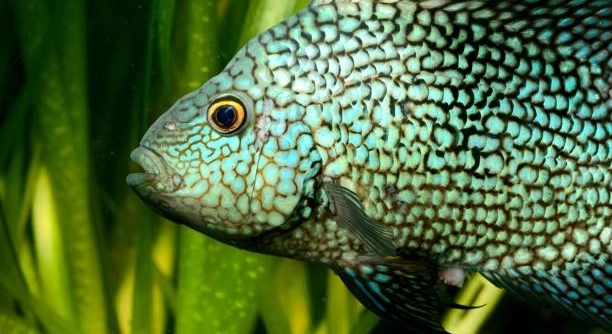
Growing Dempsey Fry can be both exciting and challenging, especially when you want them to thrive quickly and stay healthy. Many fish owners look for ways to help these fry grow stronger without stress or harm. Feeding, water quality, and tank setup all play a role in their early development.
The most effective strategies for promoting faster growth in Dempsey Fry involve providing a consistent diet rich in protein, maintaining stable water conditions with proper filtration, and optimizing tank space to reduce stress. These factors collectively enhance growth rates and overall health.
Understanding how food, environment, and care interact can make a big difference in your fry’s development. Simple adjustments often yield noticeable results in their growth and wellbeing.
Proper Nutrition for Faster Growth
Providing the right food is the first step to helping Dempsey Fry grow quickly. High-quality fry food or freshly prepared live foods, like baby brine shrimp or microworms, give them essential nutrients that support development. Feeding small portions multiple times a day ensures that each fry gets enough without overfeeding, which can pollute the water. Gradually, as they grow, introducing finely crushed pellets or flakes helps them adapt to solid foods. Monitoring their feeding habits allows you to notice any fry that might need extra attention or supplemental nutrition. Vitamins and supplements can also support strong immune systems and faster growth rates. Consistency is key; random feeding schedules can slow growth. Observing their energy levels and color can indicate whether they are receiving adequate nutrition. Overfeeding can lead to water problems, so careful portion control is just as important as the type of food you provide.
Balanced meals rich in protein promote rapid development while keeping fry healthy.
Keeping a feeding routine that matches their growth stage is essential. Changing food types too quickly can stress them, so gradual adjustments work best. Watch for leftover food to avoid decay, which impacts water quality. A mix of live food, fortified flakes, and occasional supplements helps fry reach their growth potential safely. Consistent feeding not only fuels growth but strengthens their resilience against common tank issues.
Stable Water Conditions
Maintaining clean, stable water is crucial for Dempsey Fry. Sudden changes in temperature or pH can slow growth and weaken immune systems. Regular water checks prevent stress and keep fry healthy.
Fry grow best in slightly warm, well-filtered water. Consistency reduces stress and allows them to focus on growing rather than coping with environmental changes. Frequent partial water changes remove waste and toxins while preserving beneficial bacteria. Keeping water parameters stable prevents stunted growth and ensures fry develop strong bodies. Testing pH, ammonia, nitrite, and nitrate levels regularly helps you catch problems before they become serious. Using a gentle filtration system avoids harming the fry while maintaining circulation and oxygenation. A well-maintained tank also reduces the risk of disease, which can slow growth dramatically. Observing the fry’s behavior is a good indicator of water quality; active, brightly colored fry usually indicate stable conditions. Simple tools like heaters, thermometers, and test kits make monitoring easier. Paying attention to these details provides an environment that encourages steady growth and long-term health.
Adequate Tank Space
Providing enough space is important for Dempsey Fry to grow without stress. Crowded conditions slow development and increase the risk of disease. Each fry should have room to swim freely and access food easily.
Overcrowding can cause aggression and limit movement, which reduces growth rates. A larger tank with proper hiding spots lets fry establish small territories while avoiding constant competition. Using dividers or separate rearing tanks can help if you have a lot of fry at once. Proper tank size also makes maintaining water quality easier, as waste is less concentrated. Adequate swimming space encourages natural behavior, strengthens muscles, and promotes healthier development. Observing how fry spread out in the tank helps you decide if adjustments are needed. Providing enough space is a simple yet effective way to support faster, healthier growth.
Tank decorations should balance hiding spots and open swimming areas. Too many obstacles can stress fry, while too few can leave them exposed. Using smooth surfaces and avoiding sharp objects prevents injuries while maintaining mobility. Monitoring fry interactions in this environment ensures they are comfortable and thriving.
Consistent Temperature
Maintaining a stable water temperature supports steady growth in Dempsey Fry. Sudden fluctuations can slow metabolism and affect feeding behavior. Keep heaters set to their recommended range.
Temperature directly affects metabolic rate. Fry kept in a slightly warmer, stable environment digest food faster and grow more efficiently. Rapid swings in temperature cause stress, making fry more susceptible to illness and slowing development. Consistency also encourages predictable feeding patterns, helping you provide adequate nutrition without waste. Using reliable thermometers allows you to monitor conditions closely. Heaters with built-in thermostats reduce the risk of sudden changes, especially overnight. Regular observation ensures the tank stays within the optimal range, supporting healthy growth rates and active fry.
Even small changes in temperature can disrupt the delicate balance fry need for growth. Avoid placing tanks near drafts, windows, or direct sunlight. Combining gentle water flow with stable warmth creates an environment that maximizes digestion, energy, and immune function. Consistency in temperature, along with proper diet and tank care, ensures fry develop evenly and maintain vibrant colors. Small adjustments, like gradual heating increases during colder months, help maintain stability and reduce stress for young fish.
Regular Water Changes
Frequent water changes keep the tank clean and remove toxins that can slow fry growth. Partial changes prevent sudden stress while maintaining beneficial bacteria in the tank.
Changing 20-30% of the water weekly helps maintain stable conditions. Using dechlorinated water at the same temperature as the tank avoids shocking the fry.
Controlled Lighting
Moderate lighting encourages healthy activity and feeding habits in Dempsey Fry. Too much light can stress them, while too little can reduce feeding and growth.
Gentle Filtration
Using a gentle filter prevents fry from being sucked in while keeping water clear. Sponge filters are ideal for providing circulation without harming small fry.
Observation and Monitoring
Watching fry behavior helps detect early signs of stress, illness, or uneven growth. Regular observation allows timely adjustments to food, water, or tank conditions.
FAQ
How often should I feed Dempsey Fry?
Dempsey Fry should be fed small amounts several times a day. Young fry benefit from 3–5 feedings daily with high-protein foods like baby brine shrimp or finely crushed flakes. Overfeeding can pollute the tank, so watch for leftover food and adjust portions accordingly. As they grow, feeding frequency can gradually decrease.
What is the best water temperature for Dempsey Fry?
Keeping the tank temperature stable between 78°F and 82°F helps fry grow efficiently. Sudden drops or spikes in temperature can slow growth and increase susceptibility to illness. Use a reliable heater and thermometer to maintain this range consistently. Gradual adjustments during seasonal changes are recommended to reduce stress.
How important is tank size for fry growth?
Tank size directly affects growth and stress levels. Crowded conditions slow development and increase aggression. A minimum of 20 gallons is recommended for a small group, with proper hiding spots and open swimming areas. For larger batches, consider dividers or separate rearing tanks to reduce competition and maintain water quality.
Can I use tap water for water changes?
Tap water can be used if it is treated to remove chlorine and chloramines. Water should match tank temperature to avoid shocking the fry. Using dechlorinators or letting water sit overnight are effective methods to make it safe. Maintaining consistency in water quality supports steady growth and reduces stress.
What type of filtration works best for fry?
Gentle filtration is essential. Sponge filters are ideal because they provide circulation and oxygenation without harming small fry. Avoid strong currents that can stress or injure them. Regular cleaning ensures the filter continues to remove waste while maintaining a healthy tank environment.
How can I tell if fry are stressed?
Signs of stress include erratic swimming, hiding excessively, or reduced feeding. Stress can be caused by poor water quality, overcrowding, or sudden temperature changes. Observing behavior daily allows for early intervention, such as adjusting water conditions or redistributing fry to reduce competition.
Do Dempsey Fry need vitamins or supplements?
Supplements can help if the diet is lacking certain nutrients, especially during early growth stages. High-quality fry food often contains sufficient vitamins, but adding occasional liquid vitamins or enriched live foods can support immune function and faster growth. Overuse should be avoided.
How long does it take for Dempsey Fry to grow noticeably?
With proper care, noticeable growth usually occurs within 3–4 weeks. Factors like diet, water quality, and tank space influence the rate. Consistency in feeding, water maintenance, and temperature provides the best results for steady and healthy development.
What are common mistakes that slow growth?
Overcrowding, irregular feeding, poor water quality, and temperature fluctuations are the main reasons fry grow slowly. Avoid sudden changes in the environment or diet, and monitor growth regularly to make small, gradual adjustments that support healthy development.
Is it necessary to separate fry from adults?
Yes, adult Dempseys may eat fry or outcompete them for food. Separating fry ensures they have access to nutrition, reduces stress, and increases survival rates. Use breeding tanks, dividers, or dedicated fry tanks until they grow large enough to join the main tank safely.
How often should I test water parameters?
Testing water at least 2–3 times a week is recommended for ammonia, nitrite, nitrate, and pH. Early detection of issues allows for corrective action before growth or health is affected. Keeping parameters stable encourages active feeding, proper digestion, and steady growth.
Can decorations affect fry growth?
Yes, too many decorations can reduce swimming space and cause stress, while too few can leave fry exposed. Smooth surfaces and gentle hiding spots balance protection and mobility. Observing how fry interact with the environment helps maintain a healthy space for growth.
How do I know when fry are ready for larger food?
When fry consistently chase and eat small live foods without difficulty, they can transition to finely crushed pellets or flakes. Gradual changes prevent digestive issues and ensure they continue to receive sufficient nutrition. Monitoring growth and behavior ensures the transition is smooth.
What role does light play in fry growth?
Moderate light encourages feeding and activity without causing stress. Too much light can make fry anxious and reduce feeding, while too little slows growth. Using a consistent day-night cycle supports natural behavior and development.
Can stress affect color development?
Stress can dull fry coloration and slow growth. Stable water conditions, proper space, and consistent feeding help maintain vibrant colors. Avoid sudden changes in environment or aggressive tankmates that can cause long-term stress.
How do I prevent disease in fry?
Maintaining clean water, providing proper nutrition, and avoiding overcrowding reduce the risk of disease. Quarantining new additions and monitoring for signs of illness allows early treatment. Healthy fry with minimal stress are far less likely to become sick.
What is the best way to acclimate fry to new tanks?
Introduce fry slowly by gradually mixing water from the new tank into their current tank. Sudden changes in water chemistry can shock them. Allowing time for adjustment reduces stress and supports continued growth in their new environment.
Should I remove uneaten food immediately?
Yes, leftover food can decompose quickly and harm water quality. Use a siphon or net to remove excess after feeding. Maintaining clean water supports healthy growth and reduces the risk of disease, especially in densely stocked fry tanks.
Can fry share a tank with other species?
It’s risky. Larger or more aggressive fish may eat fry or compete for food. If keeping multiple species, ensure the fry have separate areas with hiding spots or use dedicated tanks to maximize survival and growth rates.
Is frequent observation necessary?
Yes, daily observation allows you to catch issues early, like illness, poor feeding, or overcrowding. Small adjustments based on behavior can prevent long-term problems and support healthy, steady growth in your Dempsey Fry.
Caring for Dempsey Fry requires attention to detail, patience, and consistent care. Each factor, from feeding to tank conditions, contributes directly to how quickly and healthily the fry grow. Nutrition plays a critical role, and providing the right foods in the right amounts ensures fry receive the energy and nutrients needed for development. Small, frequent feedings help prevent competition and reduce stress among the fry. Live foods, baby brine shrimp, and finely crushed pellets or flakes all work well for supporting growth. Supplements can also support immune systems, but they should be used sparingly and only when necessary. Consistency in feeding and observation allows you to notice which fry may need extra attention or adjustments to their care.
Maintaining a stable environment is equally important. Water quality, temperature, and tank space all influence fry development. Regular water changes, careful monitoring of ammonia, nitrite, and nitrate levels, and the use of gentle filtration keep the tank clean without stressing the fry. Stable temperatures between 78°F and 82°F support metabolism and feeding behavior, allowing fry to grow efficiently. Overcrowding can reduce growth rates and increase stress, so providing enough space with hiding spots and open swimming areas helps fry move freely and stay healthy. Observing their behavior can indicate whether the tank conditions are optimal or need adjustment. Even small changes in water chemistry or temperature can affect their growth, so consistent maintenance is essential.
Patience and observation are key to long-term success. Fry growth does not happen overnight, and each batch may develop at slightly different rates. Monitoring their behavior, adjusting food and environment as needed, and maintaining a routine help support steady, healthy growth. Stress, poor nutrition, or sudden changes can slow development, so taking small, consistent steps makes the biggest difference. Over time, attentive care ensures the fry not only grow faster but also develop strong immune systems and vibrant colors. By focusing on proper nutrition, stable conditions, and careful observation, you can create an environment where Dempsey Fry thrive and reach their full potential.

Hello,
If you enjoy the content that we create, please consider saying a "Thank You!" by leaving a tip.
Every little bit helps us continue crafting quality advice that supports the health, happiness, and well-being of pets around the world, for pets of all shapes, sizes, and species.
We really appreciate the kindness and support that you show us!