
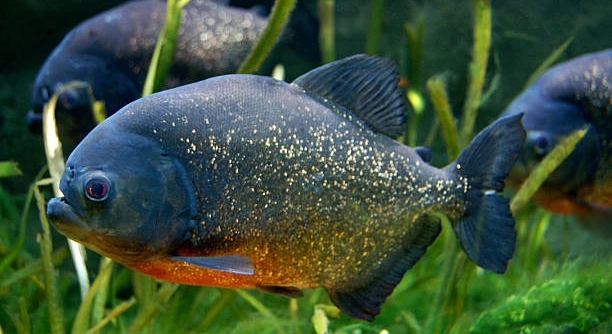
Piranhas are known for their sharp teeth and fast movements. They live in freshwater rivers and lakes, often in groups. When these fish feel threatened, their behavior changes quickly and noticeably.
When piranhas feel threatened, they become more aggressive and may attack in groups to defend themselves. Their fins flare, teeth show, and they swim rapidly to intimidate predators. These responses help protect them from danger effectively.
Knowing how piranhas react can help us better understand their behavior and avoid unnecessary conflicts when near their habitats. This insight is important for anyone interested in these fascinating fish.
How Piranhas Show Aggression
When piranhas feel threatened, their first reaction is to display aggression. They swim quickly in tight groups, often called schools, to appear larger and more intimidating. Their sharp teeth become visible as they open their mouths wide. This behavior sends a clear message to potential threats: stay away. Aggression helps piranhas protect themselves from predators like birds, larger fish, and even humans. Sometimes, their aggressive movements create vibrations in the water, warning others nearby. This response is both a defense mechanism and a way to maintain control over their territory. The aggression also helps piranhas secure food sources by scaring off competitors. Though their reputation is fierce, this behavior is mostly about survival rather than attacking without reason. Understanding how piranhas show aggression can help people avoid dangerous encounters when near their habitat.
Piranhas rely on aggression as a key defense strategy against threats. This behavior helps keep them safe and their group protected.
Learning about their aggressive displays offers useful insight into their natural habits and how they avoid danger.
Group Defense and Feeding Frenzies
Piranhas often respond to threats by banding together in large groups. This group defense makes them more effective at warding off danger. When one piranha senses a threat, it quickly signals others, and they form a tight, moving mass. This sudden grouping can confuse and scare predators. The group defense also helps during feeding. When piranhas feel endangered and hungry, they sometimes enter feeding frenzies. During these moments, they rapidly bite and tear at food or anything that moves near them. This behavior might seem chaotic, but it is an instinctual way to protect themselves while securing a meal. Feeding frenzies last only a short time, as the piranhas usually calm down once the threat passes or the food is gone. While this behavior is intense, it is mostly a survival response, not constant aggression.
Being part of a group strengthens piranhas’ defense, making threats less likely to succeed. It’s a natural way they stay safe in their environment.
Understanding these behaviors helps explain why piranhas act so quickly and fiercely under pressure. It also shows how their survival depends on both individual and group actions.
Warning Sounds and Movements
Piranhas use quick movements and splashing sounds to warn off threats. These signals help alert nearby fish to danger.
When threatened, piranhas swim rapidly back and forth, creating ripples and splashes in the water. These sounds and movements are meant to intimidate predators and protect their group. The sudden activity grabs attention and can discourage potential attackers from getting closer. This behavior is especially useful in murky waters where visibility is low, as the noises help communicate danger over distance. By combining sound and motion, piranhas increase their chances of survival without immediately resorting to biting or attacking.
This warning system is an efficient way for piranhas to avoid unnecessary fights while keeping their territory safe. It shows how they rely on more than just teeth to defend themselves.
Color Changes Under Stress
Piranhas may change color slightly when feeling threatened. Their usual bright scales can darken, signaling stress or aggression.
Color change in piranhas is a natural reaction to environmental pressure. When stressed, their skin pigments adjust, making them appear darker or less vibrant. This shift serves as a visual warning to others in the water that the fish is on alert. It can help them blend into shaded or murky water, reducing their visibility to predators. This adaptation is subtle but important for survival, especially when they want to avoid drawing extra attention. While not all piranhas show strong color changes, it’s a common response linked to their mood and threat level.
These changes also help piranhas communicate with each other, reinforcing group defense. Understanding this behavior gives more insight into how these fish react beyond aggression and movement.
Flaring Their Fins
Piranhas flare their fins to look bigger when threatened. This display helps them appear more intimidating to predators and rivals.
The fin-flaring is a clear sign of alertness and readiness to defend. It also helps maintain their space within the group and keeps others from getting too close.
Rapid Swimming Patterns
When danger is near, piranhas swim quickly and erratically. This movement makes it harder for predators to target a single fish.
Their sudden bursts of speed and sharp turns help them escape attacks or confuse threats. This fast swimming is part of their natural defense.
Protective Schooling Behavior
Piranhas group tightly in schools when they feel threatened. This formation protects individuals by making it harder for predators to attack any one fish.
The school moves as one, increasing their collective chances of survival. This behavior is instinctive and strengthens their defense.
Sharp Teeth Display
Piranhas often show their sharp teeth when they feel threatened. This visible display warns others to keep their distance.
What happens when piranhas feel threatened?
When piranhas feel threatened, they show a mix of behaviors designed to protect themselves. They swim quickly in groups, flare their fins, and open their mouths to reveal sharp teeth. These actions serve as warnings to predators or rivals. Sometimes, they make splashing noises to draw attention and scare off danger. If the threat continues, they may attack in coordinated groups. These behaviors help piranhas defend their territory and avoid harm.
Are piranhas aggressive all the time?
Piranhas are not always aggressive. They usually stay calm when they don’t feel threatened or hungry. Their aggressive behavior is mainly a defense mechanism. They become more active and show aggression when they sense danger or during feeding times. Outside of these moments, piranhas often swim peacefully and avoid conflicts. Their reputation as fierce predators comes from how they act when scared or hungry, not from their normal behavior.
Why do piranhas swim in schools when threatened?
Swimming in schools helps piranhas protect themselves better. When they group tightly, they confuse predators and make it difficult to attack a single fish. The large, moving mass looks more intimidating and helps each fish feel safer. Group defense also allows piranhas to share information quickly. If one senses danger, the whole school reacts, increasing their chances of survival. This behavior is common in many fish species and is a smart way to stay safe.
Can piranhas attack humans?
Piranha attacks on humans are rare and usually happen when the fish feel very threatened or provoked. Most piranha species prefer to avoid people. Attacks typically occur if a person disturbs their habitat or enters the water during feeding frenzies. While their bite can be painful, serious injuries are uncommon. It’s best to be cautious around piranhas and avoid sudden movements or splashing near their homes to reduce any risk.
Do piranhas change color when scared?
Yes, piranhas can change color slightly when scared or stressed. Their scales may darken or become less shiny. This color change helps them blend into their environment better and signals their stress level to others. It is not a dramatic change but noticeable under close observation. This adaptation helps piranhas avoid detection by predators and communicate with their group in tense situations.
What role do piranhas’ sharp teeth play when threatened?
The sharp teeth of piranhas are their main tool for defense and feeding. When threatened, showing their teeth is a warning sign to predators and rivals. These teeth can cut through flesh quickly, making piranhas effective hunters and defenders. While their bite is strong, they usually avoid attacking unless provoked or hungry. The teeth also help them feed efficiently during group attacks or feeding frenzies.
How do piranhas warn other fish about danger?
Piranhas warn others by splashing and making rapid movements in the water. These sounds and motions signal danger to nearby fish, alerting the group to prepare for defense. This communication helps the whole school stay alert and coordinated when threats are near. It reduces the chances of surprise attacks and improves their collective survival.
Is fin-flaring important for piranhas’ survival?
Fin-flaring is an important behavior that helps piranhas look larger and more threatening. When they flare their fins, it signals they are ready to defend themselves. This display can prevent fights by warning predators and other fish to back off. It’s a non-violent way to protect themselves without wasting energy on a real attack. Fin-flaring is a quick and effective defense strategy.
What causes feeding frenzies in piranhas?
Feeding frenzies happen when piranhas feel both threatened and hungry. If food is scarce or if they sense danger, they may suddenly attack in large groups. This behavior helps them quickly secure food before a predator arrives or before competition increases. Feeding frenzies are intense but usually short-lived, ending once the threat passes or food runs out. Though dramatic, this behavior is vital for their survival in the wild.
Can understanding piranha behavior reduce risks?
Yes, understanding how piranhas behave when threatened can help people avoid dangerous situations. Knowing that piranhas react strongly to sudden movements, splashing, or food can guide safe behavior around their habitats. Staying calm, avoiding provoking them, and respecting their space lowers the chance of conflict. This knowledge is useful for swimmers, fishermen, and anyone near piranha-filled waters. It promotes safety and respect for these fish.
Piranhas are often misunderstood because of their fierce reputation. While they do have sharp teeth and can act aggressively, most of their behavior happens only when they feel threatened. Their actions, like swimming in groups, showing their teeth, or flaring their fins, are natural ways to protect themselves. These fish are not constantly dangerous but use their instincts to survive in a world full of predators. Understanding this helps us see piranhas as part of the natural balance in their environment rather than just scary creatures.
When piranhas feel threatened, their main goal is to stay safe. They rely on a combination of warning signs and group defense to keep danger away. These fish use sound, movement, and visual signals to communicate with each other and warn off potential threats. Their feeding frenzies and aggressive displays happen in short bursts and only when necessary. This shows that piranhas prefer to avoid conflict if they can. They want to protect their territory and their group, but they do not attack without reason. Their behavior is a clear example of survival instincts in action.
Knowing how piranhas behave when threatened can help people stay safe and respect these fish. Avoiding sudden movements, loud splashes, or entering their space during feeding times reduces the chance of conflict. Piranhas are important to the ecosystems where they live, helping control populations of other fish and cleaning up the environment. By learning about their natural behavior, we can appreciate their role and avoid misunderstandings. This knowledge supports safer interactions and a better balance between humans and wildlife.

Hello,
If you enjoy the content that we create, please consider saying a "Thank You!" by leaving a tip.
Every little bit helps us continue crafting quality advice that supports the health, happiness, and well-being of pets around the world, for pets of all shapes, sizes, and species.
We really appreciate the kindness and support that you show us!