
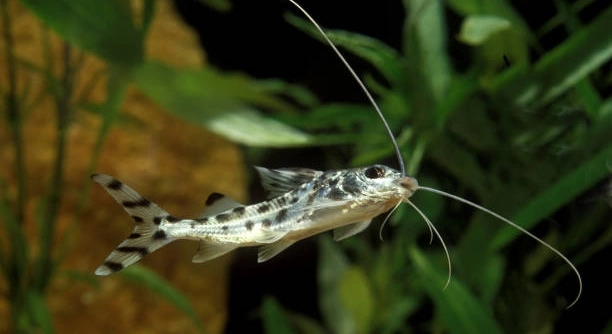
Pictus catfish are social creatures that thrive in groups. When left alone, their behavior and health can change noticeably. Understanding these changes is important for keeping them happy and healthy in your aquarium.
Lonely pictus catfish often show signs of stress, reduced activity, and changes in eating habits. Isolation can lead to weakened immune systems and increased vulnerability to disease, affecting their overall well-being and lifespan in captivity.
Recognizing these signs early helps you provide better care and improve your catfish’s quality of life in their aquatic home.
Changes in Social Behavior
Pictus catfish are naturally social animals. When they become lonely, their social behavior changes. They stop swimming together and may hide more often. Normally, they like to be in groups, which helps them feel safe and confident. Without company, they can become shy and withdrawn. This change can be very clear to watch. They might even avoid other fish, which is unusual for their typical behavior. These social shifts can lead to stress, which impacts their health. Loneliness affects how they interact with their environment and other tank mates. They also may stop showing their usual playful movements and seem bored or restless. Keeping pictus catfish in groups helps maintain their natural social habits and reduces signs of loneliness. Observing your catfish for these changes will let you know if they need more companions.
Lonely pictus catfish often lose interest in interacting and may hide more frequently, signaling stress.
Providing them with tank mates encourages their natural social behavior and keeps them active and healthy.
Impact on Appetite and Health
Loneliness can directly affect the appetite of pictus catfish. When isolated, they tend to eat less, which can lead to poor nutrition and weight loss. Their immune system may weaken without the positive stimulation of social interaction, making them more prone to illness. This decline is often subtle at first but becomes more noticeable as time passes. A lack of food intake also reduces their energy levels, causing them to be less active and more vulnerable. Regular feeding schedules and monitoring eating habits are key to catching these changes early. Adding companions helps stimulate their appetite and keeps them engaged. Without other fish, their environment feels dull, which affects their overall well-being. Ensuring they are not alone supports their physical health and prevents many common problems associated with loneliness.
If pictus catfish are lonely, their appetite drops, which negatively impacts their health and immune system over time.
Loneliness causes stress that weakens their immune response, making them more vulnerable to infections and diseases. Keeping them with others promotes better eating habits and stronger health.
Signs of Stress and Anxiety
Pictus catfish show clear signs of stress when they are lonely. They may swim erratically or stay still for long periods. This behavior indicates anxiety and discomfort.
Stress can make pictus catfish restless and more prone to sudden movements or hiding in unusual places. They may become skittish, reacting quickly to minor disturbances in the tank. Prolonged stress affects their behavior, making them less playful and more withdrawn. The lack of social interaction removes the comfort they get from their group, which normally helps keep them calm. Without this, their anxiety increases, impacting how they live day to day.
Stress weakens their immune system, making them vulnerable to diseases. It also reduces their lifespan and lowers their ability to recover from injuries. Keeping pictus catfish in groups helps reduce stress and supports healthier, more natural behavior.
Effects on Activity Levels
Lonely pictus catfish tend to become less active, often resting more than usual. Their usual energetic swimming decreases, which affects their overall health.
Reduced activity can lead to muscle weakness and less interest in exploring their environment. In groups, these catfish are more likely to swim actively and interact with each other. Without companions, they lose motivation and may simply stay hidden or motionless for long stretches. This inactivity can cause further health problems over time, including poor circulation and decreased metabolism. Encouraging social behavior by keeping multiple catfish together helps maintain their natural energy and curiosity. Their activity levels improve, which supports better physical condition and mental well-being. Regular movement is important for their growth and health, making companionship essential.
Increased Aggression
Lonely pictus catfish can show signs of aggression that are unusual for their species. This behavior often appears as chasing or nipping at other fish.
Aggression usually results from stress and frustration caused by isolation. When they lack social interaction, they may become territorial or defensive.
Weakened Immune System
Stress from loneliness weakens the pictus catfish’s immune system. This makes them more likely to get sick from infections or parasites. Without the support of a group, their bodies struggle to fight off illness effectively. Keeping them with others helps maintain a stronger immune response and better health.
Changes in Breathing Patterns
Lonely pictus catfish may show irregular or faster breathing. This is often a sign of stress or poor water conditions, but loneliness can worsen these symptoms. Monitoring their breathing helps detect problems early.
FAQ
How many pictus catfish should I keep together?
Pictus catfish are best kept in groups of at least three to five. This number helps them feel secure and express natural social behaviors. Smaller groups might cause stress and loneliness, while larger groups encourage healthy interaction and activity. Keeping multiple catfish together prevents many behavioral and health issues linked to isolation.
Can pictus catfish survive alone?
While pictus catfish can survive alone, it is not ideal for their well-being. Loneliness leads to stress, loss of appetite, and weaker immune systems. Over time, these factors reduce their lifespan and quality of life. They thrive best in groups, so keeping them alone should be avoided whenever possible.
What are the signs my pictus catfish is lonely?
Signs of loneliness include hiding more than usual, reduced activity, loss of appetite, and changes in breathing. They might also become aggressive or show erratic swimming behavior. If your catfish seems withdrawn or stressed, adding companions may help improve their mood and health.
How do I introduce new pictus catfish to my tank?
Introduce new pictus catfish slowly and carefully. Start by quarantining them in a separate tank to ensure they’re healthy. When adding them, rearrange decorations to reduce territorial behavior. Watch closely for signs of aggression or stress, and give them time to adjust to each other’s presence.
Can loneliness cause disease in pictus catfish?
Yes, loneliness causes stress that weakens the immune system. A weakened immune system makes pictus catfish more vulnerable to infections and parasites. Stress-related illnesses can be prevented by keeping them in groups and maintaining good water quality.
What can I do if I only have space for one pictus catfish?
If space limits you to one catfish, provide extra environmental enrichment. Use plenty of hiding spots, plants, and decorations to keep your catfish mentally stimulated. Regular interaction and varied feeding routines can also help reduce loneliness, but these do not replace the benefits of a group.
Do pictus catfish get along with other fish species?
Pictus catfish are generally peaceful and get along well with other non-aggressive fish. However, their social needs mean they do best with their own kind. Mixing with other species doesn’t replace the companionship they get from fellow pictus catfish, so they should still be kept in groups.
How quickly do pictus catfish show signs of loneliness?
Signs of loneliness can appear within a few days to weeks after isolation. Behavioral changes like hiding, reduced movement, and loss of appetite often show first. Long-term effects on health take more time but worsen if the catfish remains alone without social interaction.
Is it okay to add other types of catfish as companions?
While some catfish species can live peacefully together, pictus catfish prefer their own kind for social comfort. Other species might not behave in the same way or provide the same companionship. For the best results, keep pictus catfish with others of their species.
How does loneliness affect breeding in pictus catfish?
Lonely pictus catfish rarely breed. Social interaction is important for triggering natural reproductive behaviors. Without a group, they lose interest in mating and caring for eggs. A well-maintained group increases the chances of successful breeding in home aquariums.
When keeping pictus catfish, it is important to remember that these fish are social animals. They naturally live and move in groups. When left alone, they can feel lonely and stressed, which affects their behavior and health. Observing your catfish closely can help you notice if they are showing signs of loneliness, such as hiding, not eating well, or swimming less. Loneliness is more than just a mood—it can weaken their immune system and make them more prone to sickness. Taking care of their social needs is just as important as keeping their water clean and feeding them properly.
Making sure your pictus catfish have companions is one of the best ways to keep them happy. A small group of three to five catfish allows them to interact naturally and feel safe. Social interaction keeps them active and reduces stress. When they have others around, they are more likely to eat regularly and explore their environment. This also helps prevent unusual behaviors like aggression or erratic swimming. Providing a group does not just improve their mental health but supports their physical health too. It is a simple but effective way to give your catfish a better life in your aquarium.
If space is limited and keeping multiple pictus catfish is not possible, extra care should be taken to enrich their environment. Adding hiding spots, plants, and decorations gives them places to explore and feel secure. Even with enrichment, a single catfish may still feel lonely, so spending time near the tank and offering varied feeding routines can help. Ultimately, pictus catfish thrive best with companions, and providing a group is key to keeping them healthy and content. Thinking about their social needs helps ensure they live a longer, happier life in your care.

Hello,
If you enjoy the content that we create, please consider saying a "Thank You!" by leaving a tip.
Every little bit helps us continue crafting quality advice that supports the health, happiness, and well-being of pets around the world, for pets of all shapes, sizes, and species.
We really appreciate the kindness and support that you show us!