
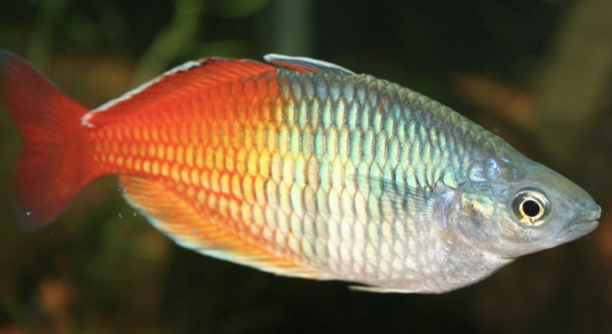
Rainbow fish are known for their stunning colors and lively behavior. These vibrant creatures have unique personalities, and understanding what excites them can enhance their environment and keep them healthy. Knowing the triggers that bring joy to rainbow fish is essential.
Rainbow fish are stimulated by several factors, including proper water conditions, feeding routines, tank mates, and light intensity. Offering a varied diet, incorporating plants or decorations, and maintaining a stable environment also contribute to their excitement and overall well-being.
Creating an environment that caters to their needs will allow rainbow fish to thrive. The right combination of these elements will not only excite them but also help them live a long and healthy life.
Proper Water Conditions
Rainbow fish thrive in clean, well-maintained water. They prefer slightly alkaline conditions, with a temperature between 72°F and 78°F. Water changes are essential for keeping their environment healthy, especially if you want to see them at their happiest. Make sure to regularly check the pH level and adjust as needed.
The stability of the water is just as important as the quality. Sudden changes in temperature or pH can cause stress and prevent rainbow fish from flourishing. A reliable filtration system is key to maintaining a healthy tank.
A consistent environment where water conditions are controlled can lead to vibrant colors and active swimming. When the water is clean and stable, rainbow fish feel comfortable and are more likely to show their natural behavior. This is when they’ll display their most exciting and joyful traits.
Feeding Routines
A regular feeding schedule helps rainbow fish stay excited. These fish enjoy a variety of foods, from flakes to live foods like brine shrimp or worms. The right amount of food, offered consistently, makes them feel secure.
Maintaining a feeding routine that includes both dry and live food ensures they remain healthy. Be sure to feed them small amounts to avoid overfeeding, which can affect water quality and their health. Regular, varied meals stimulate their natural behaviors, like hunting and exploring.
A balanced diet supports not just their energy levels but also their coloring and overall health. When rainbow fish are well-fed and satisfied, they are more likely to interact with their environment and each other. This creates a more exciting and dynamic aquarium setting.
Tank Mates
Rainbow fish do well with peaceful tank mates. They thrive in a community setup with other calm species like tetras, guppies, or corydoras. Having compatible tank mates can encourage social behavior, making the aquarium feel more alive. Avoid aggressive fish that may stress them out.
When choosing tank mates, ensure the fish are not territorial or overly competitive for food. Rainbow fish are active swimmers, so having other non-aggressive fish around helps create a lively environment. They will feel more comfortable and less stressed, especially when they can interact and explore without fear.
Tank mates play a big role in creating an exciting and dynamic environment for rainbow fish. They benefit from the social interactions that come with sharing a space. It helps to have peaceful companions that won’t compete aggressively, allowing rainbow fish to express their natural, playful behaviors.
Light Intensity
Rainbow fish respond positively to moderate lighting. Too much light can cause stress, while too little can make them inactive. Aim for a lighting setup that simulates a natural day-night cycle. This will help them feel secure and excited to explore.
Natural lighting or LED lights set on a timer work well. Avoid bright, harsh lights that could overwhelm them, as they prefer softer, more ambient light. A gentle lighting environment supports their comfort, promoting activity. Rainbow fish are naturally attracted to well-lit areas, where they feel safe to show off their bright colors.
The right lighting encourages rainbow fish to be more active. They will swim around the tank more freely and interact with their surroundings. This helps them feel more at home, which in turn makes them more visible and vibrant. A balanced light intensity can significantly enhance their overall well-being.
Plants and Decorations
Rainbow fish enjoy having plants and decorations in their tank. Live plants like Java moss or Anubias offer hiding spots and places to explore. Decorations like rocks or driftwood add variety and excitement. A well-decorated tank encourages natural behaviors and keeps them engaged.
Adding plants and decorations gives rainbow fish a place to feel secure. They can hide and swim through plant leaves, which reduces stress and allows them to show off their playful side. A variety of objects also makes the tank more visually appealing and provides stimulation.
Creating a tank with both plants and decorations allows rainbow fish to interact with their environment. They will appreciate the added complexity of their surroundings and enjoy exploring every corner. This adds to their overall excitement and well-being.
Tank Size
Rainbow fish need space to swim and explore. A tank of at least 30 gallons is ideal for a small group. A larger tank helps them feel comfortable and promotes natural swimming patterns. Smaller tanks can lead to stress and reduced activity levels.
In a cramped tank, rainbow fish may feel confined, which can lead to health problems. They need room to move freely and interact with each other. The more space they have, the more likely they are to display their vibrant colors and active swimming behavior.
Having a larger tank benefits both their physical and mental health. It ensures that the fish are not overcrowded, allowing them to maintain their natural behaviors and stay active. A well-sized tank creates a stress-free environment where rainbow fish can thrive.
Water Movement
Rainbow fish prefer moderate water movement. Too strong a current can cause stress, while too little can lead to stagnation. It’s important to find a balance that mimics their natural habitat, where water movement is present but not overwhelming.
A gentle filter or water pump can provide the right amount of movement. Avoid using powerful filters that create too much current. Rainbow fish enjoy areas with mild currents where they can swim freely without being pushed around.
Moderate water movement helps rainbow fish stay active and engaged. It encourages them to swim more and interact with their surroundings. This natural flow of water makes them feel more at ease, creating an environment where they can thrive and show off their beautiful colors.
FAQ
What do rainbow fish need to stay healthy?
Rainbow fish need clean, stable water with a temperature range of 72°F to 78°F. They also require a well-maintained tank with compatible tank mates, moderate lighting, and a varied diet. A spacious tank with plants or decorations gives them room to explore and reduces stress.
Can rainbow fish live in a small tank?
Rainbow fish need plenty of swimming space, so a tank smaller than 30 gallons is not ideal. Smaller tanks can cause stress and limit their ability to interact naturally. A larger tank allows them to swim freely, reducing the chance of health issues.
How often should I feed rainbow fish?
Rainbow fish should be fed once or twice a day. Offer a mix of high-quality flakes, pellets, and occasional live foods like brine shrimp or worms. Only feed them as much as they can consume in a few minutes to avoid overfeeding, which can affect water quality.
Do rainbow fish need to be kept in groups?
Yes, rainbow fish thrive in small groups. Keeping them with others of their kind encourages social behavior and reduces stress. They are more active and vibrant when housed with multiple companions, as they feel safer and more comfortable in groups.
Are rainbow fish aggressive?
Rainbow fish are generally peaceful and not aggressive. They may, however, become territorial if housed with other aggressive or overly dominant fish. To keep them happy, make sure their tank mates are similarly peaceful and avoid overcrowding, which can lead to competition.
What is the ideal water pH for rainbow fish?
Rainbow fish prefer slightly alkaline water with a pH level between 7.0 and 8.0. Maintaining the right pH is crucial for their overall health. Use a reliable water testing kit to monitor pH levels and adjust if necessary to keep them within the ideal range.
Do rainbow fish need special lighting?
Rainbow fish do well with moderate lighting. A natural day-night cycle helps them feel secure. Too much light can cause stress, while too little light can make them inactive. LED lights with a timer can provide the proper intensity for a healthy tank environment.
Can rainbow fish live with bettas?
It’s not recommended to house rainbow fish with bettas, as bettas can be territorial, especially the males. While rainbow fish are peaceful, they might irritate the betta, leading to stress or aggression. Stick to peaceful community fish for a stress-free tank.
How can I tell if my rainbow fish are stressed?
Signs of stress in rainbow fish include faded colors, erratic swimming, hiding, and loss of appetite. Stress can be caused by poor water quality, inappropriate tank mates, or environmental factors. Addressing these issues promptly can help reduce stress and restore their vibrant appearance.
Do rainbow fish need plants in their tank?
Rainbow fish enjoy having plants in their tank. Live plants like Java moss or Anubias provide hiding spots and improve water quality. Plants also help reduce stress and create a more natural environment. They allow rainbow fish to swim through and explore, keeping them active and engaged.
What is the best temperature for rainbow fish?
Rainbow fish prefer a water temperature between 72°F and 78°F. Keeping the temperature stable within this range promotes their health and reduces the risk of diseases. Invest in a reliable aquarium heater to maintain a consistent temperature, especially in colder climates.
How long do rainbow fish live?
Rainbow fish typically live for around 5 to 8 years, depending on their care and environment. A stable tank with proper water quality, a balanced diet, and suitable tank mates can help them reach their full lifespan. Regular maintenance ensures their long-term health.
Can rainbow fish breed in an aquarium?
Yes, rainbow fish can breed in a well-maintained aquarium. To encourage breeding, provide plenty of hiding spots, plants, and a varied diet. You may need to separate males and females for breeding to ensure successful fertilization. However, breeding is not guaranteed in every setup.
Are rainbow fish easy to care for?
Rainbow fish are relatively easy to care for compared to other species. With proper water conditions, a balanced diet, and suitable tank mates, they can thrive in most aquarium setups. Regular tank maintenance and monitoring water parameters will ensure they remain healthy and vibrant.
Do rainbow fish jump out of the tank?
Rainbow fish can jump out of the tank if the lid is not secure. They are active swimmers, and in some cases, they may leap out, especially when startled. To prevent this, ensure your tank has a tight-fitting lid or cover to keep them safe.
How do I improve the colors of my rainbow fish?
To enhance the colors of rainbow fish, ensure they have optimal water quality, a balanced diet, and proper lighting. Regular water changes, appropriate temperature, and a stress-free environment help them display their brightest colors. Adding live plants and keeping their tank clean also improves their appearance.
Final Thoughts
Rainbow fish are beautiful, lively creatures that can bring excitement and color to any aquarium. They are relatively easy to care for as long as their basic needs are met. Ensuring they have clean, stable water, a varied diet, and peaceful tank mates will help them thrive. These fish enjoy having space to swim, so providing them with a well-sized tank is essential for their happiness. The right tank environment encourages natural behaviors and makes them more active and vibrant.
One of the most important aspects of keeping rainbow fish is maintaining proper water conditions. Regular water changes, monitoring pH levels, and keeping the temperature steady within their preferred range all contribute to their overall well-being. When the water is clean and at the right temperature, rainbow fish will feel secure and be more likely to show their bright colors. If the environment is too stressful, whether from poor water quality, incompatible tank mates, or unsuitable lighting, rainbow fish may become inactive or lose their vibrant hues.
Incorporating plants and decorations in the tank not only makes the environment more visually appealing but also provides enrichment for the fish. These additions allow rainbow fish to interact with their surroundings, reducing stress and helping them feel more comfortable. With the right balance of light, water movement, and social interactions, rainbow fish can thrive and show off their full potential. By following these simple guidelines, you can ensure your rainbow fish stay happy, healthy, and full of life for years to come.

Hello,
If you enjoy the content that we create, please consider saying a "Thank You!" by leaving a tip.
Every little bit helps us continue crafting quality advice that supports the health, happiness, and well-being of pets around the world, for pets of all shapes, sizes, and species.
We really appreciate the kindness and support that you show us!