
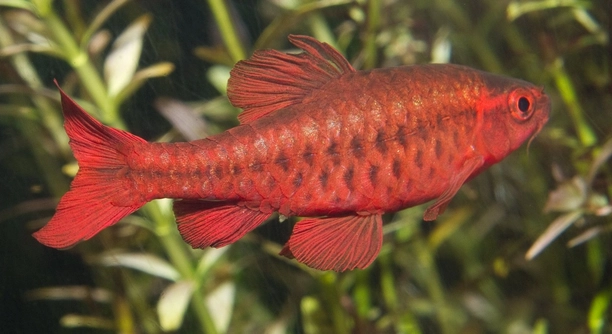
Cherry Barbs are a popular aquarium fish species, but their breeding cycles can sometimes be disrupted. Understanding what factors affect their breeding can help ensure successful reproduction. Various environmental and behavioral aspects play a role in their cycles.
Several factors can disturb Cherry Barb breeding cycles. These include poor water quality, fluctuating temperatures, inadequate tank conditions, and insufficient lighting. Additionally, stress from incompatible tank mates or improper feeding can also interfere with successful breeding.
Managing these aspects will help maintain a stable environment for breeding. Proper care and attention are key to supporting the natural reproductive cycles of your Cherry Barbs.
Poor Water Quality and Its Impact
Water quality is one of the most critical factors in any fish’s life, including Cherry Barbs. When the water is dirty or unbalanced, it can stress the fish and make them less likely to breed. Ammonia, nitrites, and nitrates should be kept in check. These toxins can build up quickly in the tank, especially if it’s overstocked or poorly maintained. Regular water changes and filtration are key to keeping the water safe for your fish. Test kits can help you monitor the quality of the water, ensuring the pH, hardness, and temperature stay within ideal levels.
Without proper water quality, Cherry Barbs may stop showing interest in breeding. The constant exposure to poor water conditions can lead to reduced energy levels and overall poor health, which significantly impacts their reproductive capabilities.
To keep your Cherry Barbs healthy, it’s essential to keep up with regular water testing and maintenance. Clean water ensures that they feel comfortable, which increases the chances of breeding. A proper filtration system is also an investment to keep the water quality in check.
Fluctuating Temperatures and Their Effects
Temperature fluctuations can also be harmful to Cherry Barbs. They prefer stable water temperatures around 72°F to 78°F. Any sudden drops or rises in temperature may cause them to feel stressed, making it harder for them to breed. Fish are sensitive to these changes, and they can throw off their natural reproductive rhythms.
When the temperature is too low, Cherry Barbs may become lethargic. If it’s too high, they can become overstressed, which can lead to health problems. This constant discomfort can delay or prevent breeding. Inconsistent temperatures can make your fish less likely to breed successfully.
Maintaining a steady temperature through the use of heaters and thermometers is essential. Make sure the heater is appropriate for the size of your tank and that it’s functioning properly to maintain the proper water temperature at all times. Stability is key to supporting your Cherry Barbs’ breeding cycle.
Incompatible Tank Mates
Cherry Barbs are peaceful fish, but they can be disturbed by overly aggressive tank mates. Fish that constantly chase or nip at them can cause stress, leading to a disruption in their breeding cycles. It’s important to choose tank mates that are calm and do not compete for resources.
If your Cherry Barbs are constantly stressed, they may not feel safe enough to reproduce. Fish such as larger, more aggressive species can make your Cherry Barbs feel threatened, which reduces their chances of breeding. To avoid this, pair them with peaceful fish that won’t bother them.
Incompatible tank mates can also affect the overall tank environment, which may lead to other issues like poor water quality. It’s important to create a peaceful community in the tank, ensuring that all fish are compatible. This way, your Cherry Barbs can thrive, feel secure, and breed successfully.
Inadequate Lighting
Lighting is another factor that can affect Cherry Barbs’ breeding cycles. These fish need a consistent day-night cycle to maintain their natural rhythms. Inadequate lighting or sudden changes in light can interfere with their ability to breed. Keeping the lighting too bright or dim for long periods can stress them out.
Proper lighting helps regulate the breeding cycle of Cherry Barbs, mimicking natural conditions. It’s important to maintain a light schedule, with lights on for about 8 to 10 hours a day and off during the night. This cycle helps the fish feel at ease and promotes healthy breeding behavior.
Bright lights can sometimes cause Cherry Barbs to become overly active or stressed. On the other hand, too little light can prevent them from producing the right amount of melatonin, which affects their breeding readiness. A timer for your aquarium lights can help maintain a consistent light schedule and ensure your fish are comfortable.
Stress from Poor Diet
An inadequate diet can lead to stress in Cherry Barbs, which can hinder their breeding cycles. Poor nutrition affects their health and reduces their energy levels, making them less likely to breed. A well-balanced diet ensures they have the strength and nutrients needed for successful reproduction.
Feeding Cherry Barbs a varied diet is essential. Offering a mix of high-quality flake food, live or frozen food, and plant matter will keep them healthy and help them thrive. A balanced diet promotes optimal breeding conditions, providing them with the necessary resources for reproduction.
Overcrowding in the Tank
Overcrowding is a common issue that can stress Cherry Barbs. When there are too many fish in a tank, it can cause competition for resources like food, space, and oxygen. This stress can interfere with their breeding cycles, as the fish feel threatened and less inclined to reproduce.
A spacious tank is important for their health and breeding success. Ensure there is enough space for all the fish to swim freely, without overcrowding. Proper tank size and adequate filtration are key in creating a stress-free environment for your Cherry Barbs.
Inconsistent Water Changes
Inconsistent water changes can cause problems for Cherry Barbs. When water changes are not done regularly, toxins like ammonia and nitrates build up in the tank, leading to poor water quality. This can cause stress, affecting the fish’s ability to breed.
Regular water changes help maintain a clean environment and keep the water safe. Aim for at least a 25% water change every week to remove toxins and refresh the water. Keeping the tank clean ensures the fish remain healthy and increases their chances of successful breeding.
FAQ
What is the ideal water temperature for breeding Cherry Barbs?
The ideal water temperature for breeding Cherry Barbs is between 72°F and 78°F. This range mimics the warm waters of their natural habitat and promotes healthy breeding behavior. Temperatures that are too low or too high can cause stress and disrupt their natural reproductive cycle. Keeping the water within this range helps ensure that your Cherry Barbs are comfortable and more likely to breed.
How can I tell if my Cherry Barbs are ready to breed?
Male Cherry Barbs typically show brighter, more intense colors when they are ready to breed. The males will often chase the females around the tank and display their colors to attract them. You may also notice the females becoming rounder as they fill with eggs. This behavior is a sign that the fish are in breeding condition and ready for reproduction.
Can I breed Cherry Barbs in a community tank?
Yes, you can breed Cherry Barbs in a community tank, but it’s important to ensure that the tank mates are peaceful and not overly aggressive. Aggressive fish can cause stress and may hinder the breeding process. Providing plenty of hiding spots and a calm environment for the Cherry Barbs will help them feel comfortable enough to breed.
How do I care for the eggs once they are laid?
Once Cherry Barb eggs are laid, they are usually attached to plants or tank decorations. The eggs are small and transparent, so they can be difficult to spot. To care for the eggs, you should ensure the water quality remains pristine and the temperature stays steady. If you’re concerned about other fish eating the eggs, consider moving the eggs to a separate breeding tank to give them a higher chance of survival.
What should I feed Cherry Barbs to encourage breeding?
To encourage breeding, Cherry Barbs should be fed a varied, balanced diet. Offer them high-quality flake food, live or frozen foods like brine shrimp, and vegetable matter. A nutritious diet ensures that they are healthy and have the energy needed to breed. Regular feeding of live foods like daphnia can also stimulate breeding behavior.
How often should I change the water in a breeding tank?
Water changes are essential for maintaining good water quality in a breeding tank. In a breeding setup, aim to change about 25-30% of the water every week. This helps remove excess nutrients, toxins, and waste products that can build up. Consistent water changes will also help keep the environment fresh and healthy for both the fish and any developing eggs.
Do I need a special filtration system for breeding Cherry Barbs?
While you don’t need a specialized filtration system, it’s important to have a gentle filter that won’t disrupt the breeding process or damage delicate eggs. A sponge filter works well in breeding tanks as it provides gentle filtration without creating strong currents. Avoid powerful filters that might cause stress or sweep away eggs and fry.
What are the signs that my Cherry Barbs are stressed?
Signs of stress in Cherry Barbs include hiding more often, lack of appetite, faded colors, and erratic swimming. If you notice these signs, check the water quality, temperature, and tank mates. Stress can be caused by many factors, such as poor water conditions, overcrowding, or incompatible tank mates. Addressing these issues promptly can reduce stress and improve the chances of successful breeding.
Can Cherry Barbs breed year-round?
Cherry Barbs can breed year-round if the conditions are right. They are not limited to a specific breeding season, but consistent, ideal conditions such as proper water temperature, lighting, and diet are necessary for successful reproduction. Regular water changes, a balanced diet, and stable environmental conditions will encourage breeding at any time of the year.
How can I prevent my Cherry Barbs from eating their eggs?
Some Cherry Barbs may eat their eggs if they feel threatened or if they are not properly fed. To prevent this, you can remove the adults from the breeding tank after the eggs are laid or use a breeding trap. This way, the eggs are left in a safer environment to develop. It’s also important to provide plenty of hiding places in the tank to reduce stress and discourage egg-eating behavior.
What is the lifespan of Cherry Barb eggs?
Cherry Barb eggs usually hatch within 24 to 48 hours after being laid, depending on the water temperature. The eggs will take longer to hatch in cooler water, and faster in warmer conditions. Once the fry hatch, they will rely on their yolk sacs for nourishment for the first few days. After that, they can begin feeding on finely crushed flake food or live baby brine shrimp.
Are there any signs that my Cherry Barbs are sick?
Sick Cherry Barbs may show signs such as faded or discolored scales, lethargy, erratic swimming, or abnormal body shape. They may also refuse to eat or develop visible lesions or sores on their bodies. If you notice these symptoms, test the water quality and consult a vet or experienced aquarist to determine the best course of action for treatment.
What kind of plants should I use in a Cherry Barb breeding tank?
Cherry Barbs prefer plants that provide hiding spaces for the eggs and fry, as well as a natural environment. Java moss, Anubias, and Java fern are great options for breeding tanks. These plants provide good surface areas for the eggs to stick to and offer cover for the fry once they hatch. Adding plants also helps maintain water quality by absorbing excess nutrients.
Can I use a breeding box for Cherry Barbs?
A breeding box can be used to separate the eggs from the adult fish, especially if you have a community tank with aggressive fish. These boxes allow the eggs to develop in a safer environment. However, once the eggs hatch, it’s best to remove the fry from the box and move them to a separate grow-out tank to prevent overcrowding and ensure healthy growth.
Final Thoughts
Breeding Cherry Barbs can be a rewarding experience when the right conditions are met. These fish are relatively easy to care for, but achieving a successful breeding cycle requires attention to detail. Water quality, temperature, diet, and tank conditions are all factors that contribute to the overall health and breeding behavior of the fish. Ensuring that these elements are in balance creates an environment where Cherry Barbs can thrive and reproduce. It’s important to remember that each fish is unique, so what works for one setup might not work for another.
Patience plays a big role when it comes to breeding Cherry Barbs. Some fish may take longer to adjust to breeding conditions or may require a bit more care in terms of diet or tank setup. Stress can easily disrupt the breeding cycle, so maintaining a calm, stable environment is key. Keeping the tank free from aggressive species and avoiding overcrowding are also crucial for creating a breeding-friendly space. Regular water changes, proper filtration, and careful monitoring of water parameters help ensure the tank remains healthy for both adults and fry.
Finally, the joy of watching Cherry Barbs breed and raise their fry is an experience that requires ongoing attention. After eggs are laid and fry are born, it’s essential to provide them with the right food and conditions to help them grow. This includes offering finely crushed food or baby brine shrimp. As the fry mature, you can begin to observe their behavior and physical changes. Whether you’re a first-time breeder or have previous experience, the process of breeding Cherry Barbs is a rewarding challenge that, with the right care and patience, will lead to a successful and thriving aquarium.

Hello,
If you enjoy the content that we create, please consider saying a "Thank You!" by leaving a tip.
Every little bit helps us continue crafting quality advice that supports the health, happiness, and well-being of pets around the world, for pets of all shapes, sizes, and species.
We really appreciate the kindness and support that you show us!