
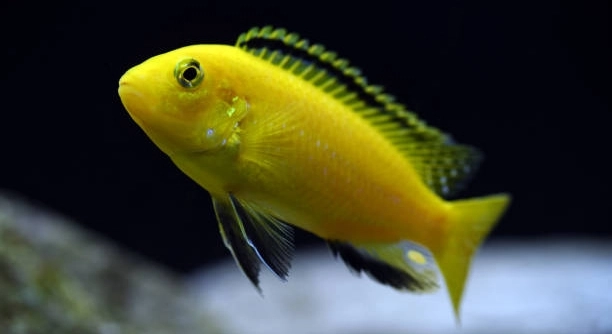
Breeding patterns in animals are delicate and easily influenced by their surroundings. Small changes in the environment, daily routines, or food sources can quietly affect the way species reproduce over time. Awareness is key to understanding these shifts.
Several factors disrupt natural breeding cycles, including habitat destruction, climate change, pollution, overhunting, introduction of invasive species, disease spread, and human interference. These elements alter reproductive timing, reduce fertility, and impact population stability across multiple species globally.
Recognizing these influences helps us see why some animals struggle to reproduce naturally. Learning about these factors can improve conservation efforts and support healthier wildlife populations.
Habitat Loss
When forests are cleared or wetlands drained, many animals lose the spaces they need to reproduce safely. Birds may find fewer nesting sites, amphibians may lose breeding pools, and mammals can no longer find hidden areas to raise young. Even small changes, like removing shrubs or cutting down a few trees, can disrupt breeding habits. Species that rely on specific habitats for mating rituals or egg-laying are especially affected. Urban expansion adds noise, lights, and human activity, which can further confuse animals’ natural timing. Over time, populations shrink, and breeding becomes less successful because animals struggle to find safe and suitable environments. Protecting natural spaces is essential to support species’ reproductive cycles and maintain biodiversity. Even small protected areas can provide crucial opportunities for animals to breed and sustain their populations. By understanding these changes, conservation efforts can focus on creating habitats that encourage successful reproduction and long-term survival.
Loss of habitat directly reduces breeding opportunities, making population declines more severe and long-lasting.
Preserving natural spaces is more than leaving land untouched. Creating corridors between forests, restoring wetlands, and planting native vegetation can all help species recover. Many animals rely on quiet, safe areas for courtship and raising young. Without proper habitats, even healthy populations may fail to reproduce. Protecting these spaces allows animals to continue their life cycles naturally and reduces stress caused by human disturbance.
Climate Change
Rising temperatures and unpredictable weather patterns affect when and how animals breed. Many species rely on seasonal cues like rainfall or temperature to trigger mating behaviors. Changes in these patterns can cause animals to reproduce too early or too late, reducing survival rates of offspring. Even small shifts in climate can disrupt delicate synchronizations, like when flowers bloom or insects hatch, which some species depend on for food during reproduction. Melting ice, droughts, and stronger storms directly impact animals’ ability to find mates or safe places for young. Over time, climate stress can lower fertility and reduce population growth. Understanding these effects is essential to predicting and preventing long-term declines in wildlife.
Temperature changes influence breeding cycles and can reduce successful reproduction in many species.
Animals are highly sensitive to shifts in climate. Amphibians, fish, birds, and mammals may all experience mismatched timing between mating and food availability, causing offspring to starve. Coral reefs, which depend on synchronized spawning events, may fail to reproduce due to warmer waters. Even terrestrial animals, like deer or songbirds, may give birth at the wrong time, leaving young exposed to predators or cold. Human actions, like greenhouse gas emissions, intensify these effects, making adaptation difficult. Conservation strategies now focus on providing safe habitats, monitoring populations, and helping species adjust to new conditions. By mitigating climate change impacts and supporting breeding habitats, it is possible to sustain reproduction rates and prevent long-term population collapse in vulnerable species.
Pollution
Chemical runoff, plastic waste, and air contamination interfere with animal reproduction. Toxins in water or soil can reduce fertility, harm embryos, and disrupt hormones, affecting how animals reproduce. Even small amounts of pollutants can create long-term problems for sensitive species.
Many aquatic animals are particularly vulnerable to pollution. Heavy metals, pesticides, and industrial chemicals can accumulate in fish and amphibians, affecting egg development and mating behavior. Birds and mammals may ingest toxins indirectly through contaminated food, which can reduce fertility or cause birth defects. Noise and light pollution also disrupt breeding cycles by confusing animals’ natural signals for mating. Constant exposure to polluted environments lowers the chances of successful reproduction and weakens populations over time, making conservation efforts more urgent.
Plastic pollution presents physical and chemical challenges to wildlife. Animals can become entangled or ingest plastics, leading to injuries or death. Microplastics can accumulate in the food chain, affecting fertility. Pollutants in air and water interfere with hormonal cues necessary for reproduction. Reducing pollution and cleaning habitats help improve breeding success and protect populations from decline.
Invasive Species
Non-native species compete with local animals for resources, often reducing breeding success. They can outcompete native species for food, nesting areas, and shelter, making reproduction more difficult.
Invasive predators can directly target eggs, young, or even adult animals, disrupting natural reproduction. Plants introduced to new areas may change habitat structures, making it unsuitable for native animals to nest or find food during breeding seasons. Some invasive species bring diseases to which local populations have no resistance, further reducing reproductive success. Human activity often accelerates these invasions, intentionally or accidentally, by moving animals and plants across regions.
Controlling invasive species is essential for protecting breeding patterns. Removal programs, habitat restoration, and careful monitoring help native species regain space and resources. In some cases, creating barriers or reintroducing natural predators can stabilize ecosystems. Supporting native biodiversity ensures animals can reproduce naturally and maintain healthy populations over time, preserving ecological balance for future generations.
Overhunting
Overhunting reduces the number of mature animals available for reproduction. Fewer breeding adults lead to smaller populations and lower chances of successful mating.
Targeted hunting of specific species can disrupt social structures. Animals may struggle to find mates, and populations may decline faster than they can recover naturally.
Disease
Diseases can spread quickly among animal populations, especially when they are stressed or living in crowded conditions. Illness reduces fertility, kills young, and interrupts normal breeding cycles. Animals weakened by disease are less likely to reproduce, which can have long-term effects on population stability.
Human Interference
Frequent human presence near breeding areas can scare animals away or interrupt mating behaviors. Construction, tourism, or recreational activities often disturb habitats, making animals avoid areas where they would normally breed.
FAQ
What are the main factors that disturb breeding patterns in animals?
The main factors include habitat loss, climate change, pollution, overhunting, invasive species, disease, and human interference. Each of these can affect how animals find mates, reproduce, and raise young. They often work together, making it harder for species to maintain healthy populations.
How does habitat loss specifically affect breeding?
When animals lose their natural spaces, they struggle to find safe places for mating and raising offspring. Nesting sites, burrows, and breeding pools may disappear. Even small changes, like cutting down trees or draining a wetland, can prevent animals from reproducing successfully.
Can climate change really change breeding cycles?
Yes. Many species rely on seasonal cues like temperature and rainfall to start mating. Changes in these cues can cause animals to reproduce too early or too late. Offspring may be born when food is scarce or conditions are dangerous, lowering survival rates.
How does pollution impact reproduction?
Chemical pollutants, plastic, and toxins in the environment can disrupt hormones and reduce fertility. Fish, amphibians, birds, and mammals may experience fewer successful pregnancies or eggs that fail to develop. Noise and light pollution also confuse natural mating behaviors.
Do invasive species always harm native breeding patterns?
Not always, but they often do. Invasive predators may eat eggs or young, while invasive plants can change habitats, making them unsuitable for native species to nest. They may also bring diseases that local animals cannot resist, lowering reproduction rates.
How does overhunting influence breeding?
Hunting reduces the number of adult animals that can mate. It can also break social structures in animal groups, making it harder for remaining animals to find mates. Populations may shrink faster than they can recover naturally.
Why is disease a concern for breeding?
Diseases spread quickly among crowded or stressed populations. They can lower fertility, kill young, and interrupt normal reproductive cycles. Animals weakened by illness often fail to reproduce, causing long-term population declines.
Can human interference change breeding success?
Yes. Construction, tourism, and frequent human activity can scare animals away from breeding areas. Noise, lights, and presence in habitats may cause animals to abandon nests, avoid mating areas, or delay reproduction, reducing overall success.
What can be done to protect breeding patterns?
Protecting habitats, reducing pollution, controlling invasive species, monitoring disease, and limiting human disturbance are all important. Conservation efforts like creating protected areas, wildlife corridors, and breeding programs help populations recover and maintain healthy reproduction.
Are some species more vulnerable than others?
Yes. Species that need specific habitats, have low fertility rates, or rely on synchronized environmental cues are especially at risk. Small populations and endangered species are most vulnerable to changes in breeding conditions.
How quickly can animals adapt to these changes?
Adaptation is often slow. Some species may adjust behaviorally, but many cannot reproduce successfully under rapid changes. Conservation efforts are crucial to give species time and space to survive while conditions stabilize.
Can reducing human impact improve breeding success?
Definitely. Limiting habitat destruction, pollution, and interference allows animals to breed naturally. Even small changes, like restoring wetlands or reducing nighttime lights, can have a big positive effect on reproduction.
How does food availability tie into breeding patterns?
Animals need enough food to support mating and raising young. Scarcity caused by habitat loss, climate change, or invasive species can reduce fertility, cause delayed reproduction, or result in fewer offspring surviving. Stable food sources are critical for successful breeding.
Is there hope for species struggling to reproduce?
Yes. With careful management, habitat restoration, and protection from threats, populations can recover. Breeding programs, wildlife corridors, and pollution control are effective tools that support reproductive success and long-term survival.
How do conservation programs monitor breeding patterns?
Scientists track population numbers, reproductive success, nest sites, and mating behaviors. They use field studies, tagging, and remote cameras to understand trends and intervene when necessary. Monitoring helps identify problems early and guide effective solutions.
Can climate change mitigation help animals breed better?
Reducing greenhouse gas emissions and supporting resilient habitats helps species maintain natural reproductive cycles. Cooler, stable climates allow seasonal cues to stay reliable, improving mating timing and offspring survival. Conservation must include both habitat protection and climate action.
Why is it important to focus on breeding patterns?
Reproduction is the foundation of population stability. Without successful breeding, species decline quickly. Maintaining healthy reproductive cycles ensures ecosystems remain balanced and wildlife populations can survive for generations.
Do captive breeding programs work?
Yes, when carefully managed. Captive breeding can boost endangered populations, provide individuals for reintroduction, and preserve genetic diversity. Programs must mimic natural conditions as closely as possible to support normal reproductive behaviors.
How does human-induced stress affect breeding?
Stress from noise, light, and habitat disturbance can delay mating, lower fertility, or cause animals to abandon young. Reducing stressors helps animals feel safe and increases chances of successful reproduction.
What is the biggest challenge in protecting breeding patterns?
The biggest challenge is the combination of multiple threats at once. Habitat loss, climate change, pollution, invasive species, and human activity together make it difficult for populations to reproduce naturally. Coordinated conservation strategies are essential for meaningful impact.
Are there simple actions people can take to help?
Yes. Supporting conservation organizations, reducing pollution, planting native vegetation, and minimizing disturbance in natural areas all make a difference. Even small steps contribute to safer breeding environments for wildlife.
How long does it take to see results from conservation efforts?
Results vary by species and threat level. Some populations may respond within a few years, while others require decades. Consistent protection, habitat restoration, and monitoring are necessary to achieve lasting improvement in breeding success.
Can education help protect breeding patterns?
Absolutely. Educating communities about wildlife needs, threats, and responsible behavior reduces human interference and promotes actions that support reproduction. Awareness encourages sustainable practices that benefit both animals and ecosystems.
Are there any surprising species that struggle with breeding due to human influence?
Yes. Even common urban animals, like songbirds, frogs, and bees, can experience reduced reproduction from noise, pollution, or habitat changes. Awareness and small protective measures can improve breeding outcomes in unexpected places.
Do natural predators ever help regulate breeding?
Yes. Predators maintain healthy populations by removing weak individuals, which can prevent overpopulation and resource depletion. However, when predators are removed by humans, prey species may overbreed in poor habitats, causing stress and lower survival rates for offspring.
How can technology support monitoring breeding patterns?
Remote cameras, GPS tracking, and drones allow scientists to observe animals without disturbing them. Data collected helps identify breeding failures, habitat issues, and migration problems. Technology provides detailed insights that guide effective conservation strategies.
Can breeding patterns indicate ecosystem health?
Yes. Healthy reproduction often signals a balanced environment with sufficient resources, low pollution, and stable habitats. Declines in breeding success can alert scientists to emerging threats that require attention before populations collapse.
What role do local communities play in protecting breeding patterns?
Local involvement is crucial. Communities can reduce hunting, limit habitat destruction, and participate in restoration efforts. Educating people about the importance of wildlife reproduction ensures long-term protection and creates safer breeding environments.
Are some ecosystems more sensitive to disturbances?
Yes. Wetlands, coral reefs, and tropical forests are particularly vulnerable. Animals in these ecosystems often rely on precise conditions for breeding. Even minor changes in temperature, water levels, or vegetation can cause major declines in reproduction.
Can seasonal timing changes be reversed?
Partially. Restoring habitats, reducing pollution, and limiting human interference can help animals regain natural breeding schedules. However, long-term climate shifts may require ongoing adaptation and support for species struggling to synchronize reproduction with the environment.
How do multiple threats interact to affect breeding?
Combined threats amplify problems. Habitat loss, pollution, invasive species, and human activity together reduce reproductive success more than any single factor. Understanding these interactions allows conservationists to address root causes and protect breeding more effectively.
Is it possible to predict which species will struggle most?
Yes. Species with narrow habitat needs, low fertility rates, or dependence on seasonal cues are most at risk. Monitoring these species closely allows targeted actions to support reproduction before populations decline severely.
What are the long-term consequences if breeding patterns are not protected?
Populations may shrink or collapse, leading to extinction in severe cases. Ecosystem balance is disrupted, food webs are altered, and biodiversity declines. Protecting reproduction is essential for sustaining healthy ecosystems and preventing irreversible losses.
Are there successful examples of improved breeding through conservation?
Yes. Programs for species like sea turtles, condors, and certain frogs have restored populations through habitat protection, captive breeding, and careful monitoring. These successes show that focused efforts can reverse declines and support natural reproduction.
Can individual actions really make a difference?
Yes. Planting native plants, reducing pesticide use, minimizing habitat disturbance, and supporting conservation organizations all help maintain safe breeding environments. Small efforts collectively create significant positive effects for wildlife reproduction.
How can ongoing research help protect breeding patterns?
Research provides data on population trends, reproductive success, and threats. Scientists use this information to develop targeted conservation strategies, improve breeding programs, and predict future challenges, ensuring more effective protection of species reproduction over time.
What is the most important takeaway about breeding patterns?
Healthy reproduction is critical for species survival. Understanding and addressing threats like habitat loss, pollution, climate change, and human interference ensures animals can continue to reproduce, maintain populations, and preserve ecosystems for future generations.
How can people stay informed about breeding conservation?
Following wildlife organizations, reading scientific studies, and participating in local conservation projects helps people stay aware. Education empowers communities to make choices that protect reproduction and support long-term population health.
Are there risks of overprotecting certain species?
Yes, overprotecting one species can sometimes disrupt natural predator-prey balance. Conservation plans must consider entire ecosystems to ensure healthy reproduction across multiple species without causing unintended harm.
Can urban environments support animal breeding?
Partially. Urban parks, green roofs, and small wetlands can provide breeding opportunities, but success depends on minimizing pollution, disturbance, and predators. Thoughtful urban planning can help animals reproduce even in human-dominated landscapes.
What is the role of government in protecting breeding patterns?
Governments create policies, protected areas, and regulations that limit hunting, pollution, and habitat destruction. Enforcement of these measures is essential to maintain safe breeding conditions for wildlife populations.
How does genetic diversity relate to breeding success?
Greater genetic diversity improves resilience and fertility. Populations with low diversity are more vulnerable to disease and environmental stress, making successful reproduction harder. Conservation programs often focus on maintaining or restoring genetic variation to support healthy breeding.
What happens when breeding fails for multiple generations?
Long-term reproductive failure can lead to population collapse or extinction. Ecosystem functions may also be disrupted, affecting other species. Protecting breeding cycles is essential to prevent cascading effects throughout habitats.
Can climate refuges help species maintain breeding patterns?
Yes. Providing cooler, stable habitats allows animals to reproduce despite broader climate changes. Refuges help maintain natural cues, protect offspring, and support population stability in challenging conditions.
Are there international efforts to protect breeding patterns?
Yes. Global conservation treaties, wildlife protection agreements, and cross-border habitat restoration projects help species reproduce safely. International collaboration is essential for migratory animals and ecosystems spanning multiple countries.
How can people contribute locally to breeding conservation?
Planting native vegetation, reducing pesticide use, cleaning habitats, and supporting local reserves all create safer conditions. Observing wildlife responsibly and educating neighbors also helps maintain healthy reproductive environments for nearby species.
Can breeding success indicate overall ecosystem health?
Yes. Healthy reproduction shows stable habitats, sufficient resources, and balanced interactions. Declines in breeding success often signal emerging threats or stressors in the ecosystem that need attention.
Are some animal behaviors changing due to human influence?
Yes. Animals may shift nesting sites, mating times, or feeding habits to avoid disturbance. While some adjustments help survival, they can also disrupt normal breeding and reduce reproductive success.
How important is long-term monitoring for breeding patterns?
Very important. Consistent tracking reveals trends, highlights emerging threats, and allows timely intervention. Long-term data is crucial for effective conservation and ensuring species continue reproducing successfully.
Can community science support breeding conservation?
Yes. Citizen scientists can record sightings, monitor nests, and track breeding behaviors. Their contributions provide valuable data, increase awareness, and help guide conservation strategies at local and regional levels.
How do seasonal migrations affect breeding?
Animals that migrate rely on precise timing to reach breeding sites. Changes in climate, food availability, or habitat along routes can delay arrival, reduce mating success, or expose young to harsh conditions. Protecting migration corridors supports reproduction.
Is it possible to fully restore disrupted breeding patterns?
Sometimes. Recovery depends on the species, severity of threats, and intervention efforts. Habitat restoration, pollution reduction, and protection programs can help populations regain natural reproductive behaviors over time.
Can individual wildlife management make a difference for endangered species?
Yes. Targeted management, like supplemental feeding, nest protection, or controlled breeding, can improve reproductive success. These interventions give vulnerable species a better chance to survive and maintain healthy populations.
Do some species benefit from human-managed habitats?
Yes. Carefully designed reserves, wetlands, and green spaces provide safe breeding areas. Management must minimize disturbance, ensure resources, and mimic natural conditions to support normal reproductive behaviors.
Are breeding patterns affected differently in mammals versus birds or fish?
Yes. Each group relies on different cues and habitats. Birds often need nesting sites and seasonal timing, fish depend on water quality and temperature, and mammals require secure territories. Threats affect these groups in distinct ways, requiring tailored conservation approaches.
How do conservationists prioritize which species to protect?
They consider vulnerability, ecological role, reproductive challenges, and population trends. Species at high risk of reproductive failure or extinction receive priority to maximize conservation impact.
Can small habitat changes really make a difference?
Yes. Even minor restoration, such as planting native plants or reducing light pollution, can improve breeding conditions. Small efforts cumulatively create safer environments for reproduction.
How do we balance human needs with animal breeding protection?
Careful planning, protected areas, and sustainable practices help meet human needs without compromising reproduction. Collaboration between governments, communities, and scientists ensures coexistence while maintaining healthy breeding populations.
What ongoing threats should we watch for?
Habitat loss, climate change, pollution, invasive species, disease, and human interference remain critical. Early detection and mitigation are essential to protect reproductive success and maintain stable wildlife populations.
How does reproductive failure affect ecosystem services?
When animals fail to reproduce, pollination, seed dispersal, and predator-prey balance may decline. Healthy breeding cycles support ecosystem functions essential to humans and wildlife alike.
Are there emerging solutions to protect breeding patterns?
Yes. Habitat corridors, assisted migration, captive breeding, pollution mitigation, and climate adaptation strategies all help species reproduce successfully. Combining approaches increases resilience and ensures long-term population survival.
Can breeding patterns recover naturally without human help?
Sometimes, if threats are mild and habitats remain intact. However, many species face multiple pressures that make natural recovery slow or unlikely without intervention. Proactive conservation accelerates recovery and reduces risk of long-term decline.
Do protected areas guarantee successful breeding?
Not always. Protected areas reduce threats but require proper management, adequate size, and resources to support reproduction. Monitoring and restoration are often necessary to ensure populations thrive.
How do invasive plants affect animal reproduction?
They can change habitat structure, crowd out native plants, and reduce food availability. These changes make nesting, mating, and raising young more difficult for native species.
Can captive breeding programs support genetic diversity?
Yes. Carefully managed programs maintain or increase genetic variation, which improves resilience and fertility. Genetic management is key to long-term population stability.
Are some breeding failures reversible?
Yes, if threats are addressed and habitats restored. Reintroduction programs, pollution control, and protection measures can help species regain natural reproductive behaviors and population growth.
What is the most effective way to support wildlife breeding today?
Combining habitat protection, pollution reduction, invasive species management, disease monitoring, and minimizing human disturbance is essential. Collaboration across local, regional, and international levels ensures animals have safe conditions to reproduce successfully.
How do predators influence breeding success?
Predators help maintain balanced populations, but over-predation or loss of predators can disrupt reproduction. Managing predator-prey dynamics is key to healthy breeding outcomes.
Can urban planning support breeding patterns?
Yes. Green spaces, wildlife corridors, and reduced light and noise pollution create safer conditions. Thoughtful urban design allows some species to breed even in human-dominated areas.
Are migratory species more at risk?
Yes. They depend on multiple habitats along migration routes. Disturbances, habitat loss, or climate shifts in any part of their range can disrupt breeding timing and success.
How does food scarcity influence reproduction?
Limited food reduces fertility, delays mating, and can cause lower survival rates for offspring. Stable, accessible food sources are essential for healthy reproduction.
Can community involvement improve breeding outcomes?
Yes. Local communities monitoring nests, restoring habitats, and reducing disturbance directly support reproduction. Community engagement also raises awareness and promotes sustainable practices for long-term protection.
Are there simple ways to reduce human impact on breeding?
Yes. Avoid disturbing nests, limit habitat destruction, reduce pollution, and follow local wildlife guidelines. Small actions collectively create safer breeding environments.
How do weather extremes affect breeding?
Storms, droughts, heatwaves, and cold snaps can destroy nests, kill young, or prevent mating. Stable conditions are important for animals to reproduce successfully.
Can animals adapt to rapid environmental changes?
Some species adjust behaviors, timing, or location, but adaptation is often slow. Rapid changes can outpace natural responses, making conservation intervention necessary.
What role does public education play in protecting breeding patterns?
Education raises awareness, promotes responsible behavior, and encourages participation in conservation. Understanding threats and solutions helps communities create safer environments for reproduction.
Are there success stories from small-scale conservation?
Yes. Local wetland restoration, nest box programs, and urban green space improvements have increased breeding success for birds, amphibians, and small mammals, showing that even small actions make a difference.
How do seasonal changes influence breeding cycles?
Animals rely on cues like temperature, rainfall, and day length. Shifts in these patterns can lead to mistimed reproduction, reducing offspring survival and overall population stability.
Can reducing light pollution improve reproduction?
Yes. Many species rely on darkness for mating behaviors, navigation, or nesting. Limiting artificial light helps animals reproduce naturally.
How do we balance tourism with protecting breeding patterns?
Restricting access to sensitive areas during breeding seasons, creating designated pathways, and educating visitors allows tourism while minimizing reproductive disruption.
Is monitoring technology expensive or accessible?
Costs vary, but many tools like remote cameras, drones
Breeding patterns are an essential part of animal life, and they affect the balance of ecosystems in ways we often do not notice. When animals reproduce successfully, populations remain stable, food chains stay balanced, and habitats thrive. However, disturbances like habitat loss, pollution, climate change, invasive species, overhunting, disease, and human interference can all interfere with reproduction. Even small changes in an animal’s environment can create stress, disrupt natural cycles, and make it harder for animals to mate or raise their young. These disturbances do not always produce immediate effects, but over time, they can lead to population declines, reduced biodiversity, and even the risk of extinction for some species. Understanding these factors is not only important for protecting individual animals but also for maintaining healthy ecosystems where species can continue to exist naturally.
Conservation efforts play a critical role in supporting breeding patterns and helping wildlife populations recover. Protecting habitats, reducing pollution, controlling invasive species, monitoring diseases, and limiting human disturbance are all essential steps in creating environments where animals can reproduce successfully. In some cases, active interventions such as captive breeding programs or habitat restoration are necessary to give endangered species a chance to survive. These measures require careful planning, long-term commitment, and collaboration among scientists, governments, and local communities. Even small actions, such as planting native vegetation, creating wetlands, or reducing light and noise pollution, can improve conditions for wildlife reproduction. Over time, these combined efforts can make a meaningful difference, allowing species to recover, populations to grow, and natural breeding patterns to return.
It is important to recognize that protecting breeding patterns is a shared responsibility that extends beyond scientists and conservation organizations. Individuals can contribute by making choices that reduce environmental impact, supporting habitat protection initiatives, and respecting wildlife in their natural spaces. Observing safe practices, avoiding interference with nests or breeding sites, and spreading awareness about the importance of healthy reproduction can all help support local species. While the challenges are significant, there is hope. With consistent effort, informed decision-making, and practical actions at both the local and global levels, it is possible to preserve the natural cycles of reproduction that keep ecosystems thriving. Maintaining healthy breeding patterns ensures that future generations of animals, plants, and humans alike will continue to benefit from stable and functioning ecosystems, making conservation a priority worth pursuing.

Hello,
If you enjoy the content that we create, please consider saying a "Thank You!" by leaving a tip.
Every little bit helps us continue crafting quality advice that supports the health, happiness, and well-being of pets around the world, for pets of all shapes, sizes, and species.
We really appreciate the kindness and support that you show us!