
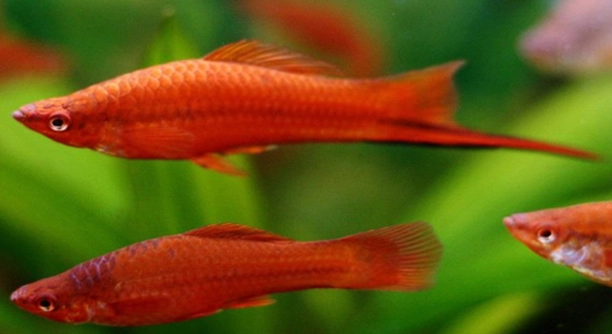
Swordtails are popular aquarium fish, known for their vibrant colors and active nature. However, they can sometimes be easily distracted while feeding, making it harder for them to enjoy their meals. This can affect their health and behavior.
Several factors can distract swordtails during feeding, including the presence of tank mates, environmental conditions, and the timing of feedings. Sudden movements, water temperature, and water quality can also play a role in their feeding behavior.
Understanding the various distractions will help you create a better feeding environment for your swordtails, ensuring they stay focused and healthy.
Tank Mates and Their Influence on Feeding
Tank mates can have a big impact on how well swordtails focus on their food. When they share their space with other fish, swordtails may become distracted by the movements or presence of these other creatures. Aggressive or overly active fish can easily cause swordtails to lose interest in feeding, as they may be too concerned with defending their space or avoiding other fish.
Even peaceful tank mates can unintentionally distract swordtails. If they swim too close during feeding times, swordtails may be hesitant to grab their food. This is especially true if the food is scattered around and they feel like they need to compete for it.
To help swordtails focus on their meals, it’s best to ensure their tank mates are compatible. If possible, isolate them during feeding times or provide enough space so they can comfortably eat without distractions. By creating a peaceful environment, you allow swordtails to fully enjoy their meals and thrive.
Environmental Factors
The environment in which swordtails are kept can also affect their focus during feeding. Water temperature, lighting, and even the decor in the tank can influence their feeding habits. Swordtails may become distracted if the tank is too bright or has too many hiding spots.
Inconsistent water temperature can make swordtails feel uneasy. They may stop feeding if the water is too hot or cold, as they try to regulate their body temperature. This distraction can lead to a loss of appetite and a decrease in overall well-being.
Providing stable environmental conditions for your swordtails will help them feel secure and allow them to focus on their food. Regular maintenance, including checking the water temperature and ensuring proper lighting, can go a long way in promoting a better feeding routine.
Timing of Feedings
The timing of feedings can affect how well swordtails focus on their food. If they are fed too frequently or at irregular times, they may become less interested or overly eager during meals. A consistent feeding schedule helps swordtails anticipate their food, making them more attentive when the time comes.
When swordtails are fed on a regular schedule, they learn to associate specific times with feeding, reducing distractions. If the food is provided at unpredictable times, swordtails may not be hungry or alert when the food is offered. This can lead to them missing out on meals or becoming distracted by other activities in the tank.
By establishing a routine, swordtails will be more likely to focus on their food and eat properly. This consistency helps them feel secure, making feeding times more enjoyable and effective. It’s important to avoid overfeeding, as this can lead to a decrease in appetite over time.
Water Quality and Feeding Focus
Poor water quality is another major factor that can distract swordtails during feeding. If the water becomes too dirty or has an unpleasant odor, swordtails may feel stressed and avoid eating. Clean, well-maintained water helps swordtails feel comfortable, which in turn encourages them to focus on their food.
Regular water changes and proper filtration can keep the water quality high, allowing your swordtails to enjoy their meals without distraction. Swordtails are sensitive to ammonia, nitrate, and nitrite levels, so it’s important to monitor these regularly. High levels of these substances can cause discomfort, leading swordtails to be more focused on their environment than their food.
A stable and clean tank is essential for healthy swordtails. Ensuring that the water quality remains optimal helps prevent stress and allows swordtails to stay focused during feeding time. It also contributes to their overall health and well-being.
Movement Around the Tank
Swordtails are easily distracted by sudden movements in and around the tank. If there’s a lot of activity outside, they may focus on those movements rather than their food. This can disrupt their feeding behavior and prevent them from eating properly.
To help swordtails stay focused on their meal, try to minimize movement around their tank during feeding times. Avoid tapping on the glass or making loud noises. Swordtails are naturally curious and can be distracted by anything that moves, so a calm, quiet environment will encourage them to eat without hesitation.
Tank Size and Space
The size of the tank also affects how swordtails behave during feeding. In cramped tanks, swordtails may feel anxious or territorial, which can make them lose focus on their food. Providing a spacious tank allows them to feel secure and more comfortable when eating.
A larger tank with plenty of swimming space gives swordtails the room they need to feel relaxed. This helps reduce stress and encourages them to focus on their food rather than worrying about their environment. If your swordtails seem distracted during feeding, consider providing a bigger space to enhance their well-being.
Water Surface Movement
The movement of the water’s surface can also play a role in swordtail feeding habits. If the water is too turbulent or the surface is constantly shifting, it can make it difficult for swordtails to focus on their food. A calm water surface allows them to spot and catch food more easily.
To reduce this distraction, use a gentle filter or ensure the water flow is not too strong. When the surface remains calm, swordtails can see and track their food better, leading to a more successful feeding session. A stable water environment benefits their feeding behavior.
FAQ
Why does my swordtail seem distracted during feeding?
Swordtails may become distracted during feeding due to several factors, such as the presence of other fish, poor water quality, or an overly busy environment. Movement around the tank, sudden changes in water conditions, or incompatible tank mates can also cause them to lose focus on their food. A calm, quiet environment, along with proper tank maintenance, can help swordtails stay focused during feeding.
How can I reduce distractions for my swordtails during feeding?
To reduce distractions, ensure that feeding times are calm and consistent. Avoid making sudden movements or noise around the tank. Keep the tank clean, with optimal water quality, and provide compatible tank mates. You may also consider isolating swordtails during feeding to prevent interference from other fish.
What type of tank mates should I avoid with swordtails?
Avoid tank mates that are overly aggressive or territorial, as these fish can cause stress and distraction for swordtails. It’s best to house swordtails with peaceful species that won’t compete for food or space. Species such as tetras, mollies, or other non-aggressive fish are good companions for swordtails.
Can the water temperature affect swordtail feeding?
Yes, water temperature plays a crucial role in swordtail feeding. If the water is too hot or too cold, swordtails may become stressed and lose interest in food. A consistent and comfortable temperature range, usually between 72°F to 82°F (22°C to 28°C), is ideal for swordtails to feed comfortably.
Does overfeeding affect swordtail feeding habits?
Overfeeding can lead to a decrease in swordtails’ appetite over time. If swordtails are given too much food, they may not be as eager to eat during their next feeding session. It’s important to feed them the right amount of food that they can consume in a few minutes. Consistency is key.
How do I know if my swordtail is stressed and not eating?
If your swordtail is stressed, it may exhibit behaviors such as hiding, swimming erratically, or appearing lethargic. Stress can result in a lack of interest in food. Factors such as poor water quality, incompatible tank mates, or environmental changes may cause stress. Observing these signs can help identify and resolve feeding issues.
Should I feed my swordtail at the same time every day?
Yes, swordtails benefit from a regular feeding schedule. Feeding them at the same time each day helps them develop a routine and recognize when to expect food. This consistency can help them stay focused and reduce distractions during feeding.
Can swordtails eat different types of food?
Yes, swordtails can eat a variety of foods, including flake food, pellets, frozen or live foods such as brine shrimp, and plant matter. Offering a balanced diet that includes both protein and plant-based foods will ensure they get all the nutrients they need. Variety in their diet can also keep feeding time more engaging for them.
Does water quality affect swordtail appetite?
Water quality has a significant impact on swordtail feeding behavior. Poor water quality, especially high ammonia, nitrite, or nitrate levels, can make swordtails feel uncomfortable and lead them to avoid food. Regular water changes, proper filtration, and water testing can help maintain a healthy environment that encourages swordtails to eat properly.
Can tank lighting affect swordtail feeding?
Yes, lighting can influence swordtail feeding habits. Too much light or inconsistent lighting can cause stress and distraction. Swordtails prefer dim lighting during feeding times, which makes them feel more secure. Keeping the lighting at a comfortable level can improve their focus and feeding behavior.
How can I ensure my swordtails are getting enough food?
To ensure your swordtails are getting enough food, observe their feeding behavior. If they appear to be struggling to get food or seem distracted, adjust the feeding environment. Make sure food is distributed evenly, and consider isolating swordtails for feeding time to ensure they can eat without competition.
What is the best way to feed swordtails?
The best way to feed swordtails is by offering small portions of food at a time, ensuring they can consume it within a few minutes. Avoid overfeeding, as it can lead to water pollution and unnecessary distractions. Also, be mindful of the type of food and its size to match their feeding preferences.
Final Thoughts
Understanding what distracts swordtails during feeding can help improve their eating habits and overall well-being. Factors such as tank conditions, feeding schedule, and external disruptions can all play a role in whether or not your swordtails focus on their food. By addressing these distractions, you can create a more conducive environment for your fish to thrive. Consistency is key, both in terms of feeding times and water quality. Swordtails are creatures of habit, and a stable routine helps them stay alert and engaged during meals.
Maintaining optimal water conditions is essential for encouraging swordtails to eat without distraction. Poor water quality can cause stress, leading them to lose interest in food. Regular water changes and proper filtration can help maintain a healthy tank. It’s also important to consider the tank size and the presence of any potential distractions. A well-maintained, peaceful tank allows swordtails to focus on their meals and feel secure in their environment. Avoid overfeeding, as this can lead to a loss of appetite or reduced interest in feeding.
Finally, providing the right tank mates and feeding practices is crucial. Swordtails are peaceful fish, but their focus can be interrupted by aggressive tank mates or excessive movement around the tank. Choosing compatible fish and reducing external distractions can help swordtails remain calm and focused. Offering a balanced diet and maintaining a routine feeding schedule will also ensure they get the nutrients they need. With the right environment, swordtails can enjoy their meals and stay healthy, leading to a happy and thriving aquarium.

Hello,
If you enjoy the content that we create, please consider saying a "Thank You!" by leaving a tip.
Every little bit helps us continue crafting quality advice that supports the health, happiness, and well-being of pets around the world, for pets of all shapes, sizes, and species.
We really appreciate the kindness and support that you show us!