
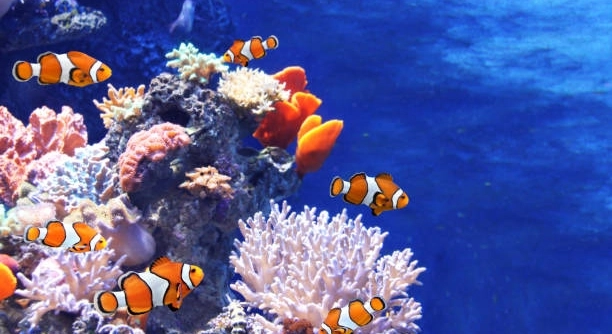
Clownfish have unique behaviors when it comes to mating. Their environment and habits can affect how successfully they reproduce. Understanding what distracts them can help us better support their natural cycles.
Several factors distract clownfish from mating, including changes in water quality, presence of predators, lack of suitable nesting sites, social hierarchy disruptions, poor diet, excessive noise, and environmental stressors. These distractions interfere with their natural mating rituals and timing.
Knowing these distractions helps us protect clownfish and promote healthier breeding conditions. This article highlights key influences on their mating behavior and what to watch for.
Water Quality Changes
Water quality plays a critical role in clownfish mating. When parameters like temperature, pH, or salinity fluctuate suddenly, it can cause stress and reduce their interest in breeding. Pollutants or high levels of ammonia also disrupt their reproductive behavior. Clownfish rely on stable, clean water to feel secure and ready to mate. If their habitat is compromised, they may delay or avoid mating altogether. Even small changes can interfere with hormone levels that trigger mating instincts. Maintaining proper filtration and regular water testing helps keep conditions optimal. This stability encourages natural behaviors and successful reproduction. In captivity or in the wild, protecting water quality is one of the most important factors to support clownfish mating.
Keeping water clean and stable helps clownfish stay healthy and focused on reproduction. This creates an environment where they can thrive and reproduce naturally.
Consistent water conditions reduce stress and promote hormonal balance in clownfish. This allows them to carry out their mating rituals without interruption. Proper care of their environment supports healthy eggs and offspring, ensuring the species continues to grow.
Presence of Predators
Predators nearby make clownfish cautious and less likely to engage in mating. They prioritize safety over reproduction when threats are detected.
The presence of predators creates stress that distracts clownfish from mating activities. When predators approach, clownfish often hide or stay alert, interrupting their normal behaviors. This increased vigilance reduces opportunities for courtship displays and nest preparation. Even if no attack occurs, the fear of predators is enough to delay or prevent mating. Predators can be larger fish or other marine animals that feed on clownfish or their eggs. This natural pressure forces clownfish to focus on survival, making mating a lower priority until the danger subsides. Understanding this behavior explains why clownfish populations may fluctuate depending on predator activity. Protecting their habitats from excessive predator presence helps maintain healthy breeding rates.
Lack of Suitable Nesting Sites
Clownfish need proper nesting sites to feel comfortable mating. Without secure places to lay eggs, they often avoid breeding.
Finding a safe and suitable spot for eggs is essential for clownfish reproduction. They usually prefer sheltered areas within sea anemones or crevices in coral reefs. If these spaces are damaged or scarce, clownfish may postpone mating until conditions improve. The absence of a proper nesting site increases stress and decreases their willingness to engage in courtship. Providing or protecting these habitats is key to encouraging mating behaviors. In aquariums, adding artificial caves or shelters can simulate natural nesting spots and support breeding.
When nesting sites are unavailable, clownfish can become restless or exhibit less interest in mating. This lack of appropriate shelter directly impacts the number of eggs laid and the overall success of reproduction.
Social Hierarchy Disruptions
Social order affects clownfish mating success. Disruptions in their hierarchy can lead to confusion and mating delays.
Clownfish live in strict social groups with a dominant female, a breeding male, and non-breeding juveniles. Changes like removal or introduction of individuals disrupt this balance. The dominant female controls mating, so if she is replaced or stressed, breeding may pause. Juveniles also need time to adjust roles before mating can resume. This social tension causes distractions that delay courtship rituals. Maintaining stable groups supports natural social behavior and helps mating proceed smoothly. In captivity, sudden changes in group composition often result in reduced breeding activity until new hierarchies settle.
Understanding social dynamics explains why clownfish sometimes stop mating after changes in their group. Keeping groups stable promotes regular and successful reproduction.
Poor Diet
Clownfish need a balanced diet to stay healthy and ready to mate. A lack of nutrients can lower their energy and interest in reproduction.
Without proper food, clownfish become weak and less likely to perform mating behaviors. Providing a varied diet rich in protein and vitamins supports their reproductive health and overall well-being.
Excessive Noise
Loud noises in the environment can stress clownfish and disrupt their mating rituals. They rely on calm surroundings to communicate and feel safe.
Environmental Stressors
Changes like strong currents, sudden lighting shifts, or overcrowding cause stress that interferes with clownfish mating. Stress reduces hormone levels needed for reproduction, making it harder for them to engage in normal breeding behaviors. Managing these conditions helps maintain a peaceful environment essential for successful mating.
What are the main distractions that prevent clownfish from mating?
Clownfish face several distractions that impact their mating behavior. Key factors include poor water quality, presence of predators, lack of suitable nesting sites, social hierarchy disruptions, inadequate diet, excessive noise, and environmental stress. Each of these elements interferes with the natural processes and signals clownfish rely on to reproduce successfully.
How does water quality affect clownfish mating?
Water quality is crucial for clownfish health and reproduction. Sudden changes in temperature, pH, or salinity cause stress, which lowers their desire to mate. Pollutants and toxins in the water can also disrupt hormonal balance. Keeping water clean and stable creates a safe environment, encouraging natural mating behaviors.
Why do predators stop clownfish from mating?
The presence of predators makes clownfish focus on survival rather than reproduction. When predators are nearby, clownfish become alert and often hide, reducing opportunities for courtship. Fear and stress caused by predators interrupt their normal routines and delay mating until the threat disappears.
How important are nesting sites for clownfish?
Nesting sites provide safe places for clownfish to lay and protect their eggs. Without secure spots, clownfish may avoid mating altogether. Natural shelters like sea anemones or coral crevices are preferred. In captivity, providing artificial shelters can simulate these environments, supporting reproductive behavior.
What happens when social hierarchy is disrupted?
Clownfish live in strict social groups with defined roles. Disrupting this hierarchy, such as removing dominant fish or introducing new individuals, causes confusion and stress. The dominant female controls mating, so if she is replaced or stressed, breeding may pause until the group stabilizes again.
Can diet really influence clownfish reproduction?
Yes, diet has a direct effect on clownfish health and mating readiness. A poor diet lowers energy and weakens immune function, reducing interest in breeding. A balanced diet with proteins, vitamins, and minerals supports hormonal health and encourages natural mating behaviors.
How does noise impact clownfish?
Loud or constant noise can stress clownfish and interrupt their communication and mating rituals. They thrive in calm environments where they can detect signals from each other. Excessive noise creates distractions that delay or prevent mating.
What environmental stressors affect clownfish mating?
Factors like strong water currents, sudden lighting changes, and overcrowded living spaces create stress that affects clownfish reproduction. Stress lowers hormone levels needed for mating and can cause them to avoid courtship. Maintaining stable, comfortable conditions is important to promote successful breeding.
How can I improve the chances of clownfish mating in captivity?
To encourage mating, maintain excellent water quality with stable temperature and pH levels. Provide safe nesting sites, keep groups socially stable, feed a nutritious diet, minimize loud noises, and reduce stressors like overcrowding. Observing these conditions creates an environment that supports natural mating behaviors.
Are these distractions common in the wild and in aquariums?
Yes, many of these distractions occur both in natural habitats and captive environments. Pollution and predators affect wild clownfish, while improper care, noise, and social instability are common in aquariums. Understanding these factors helps caretakers support healthier breeding in both settings.
Clownfish have many things that can distract them from mating, and understanding these factors helps us care for them better. Water quality is one of the most important parts of their environment. If the water changes too much or becomes polluted, clownfish get stressed. This stress can stop them from mating because their bodies focus on survival instead of reproduction. Keeping their water clean and stable is necessary for their health and helps encourage natural behaviors, including mating.
Another important factor is the social environment of clownfish. These fish live in groups with a clear social order. The dominant female usually controls mating, and the other fish follow her lead. If the social balance is disturbed, for example by adding or removing fish, it can confuse the group and delay mating. Clownfish also need safe places to lay eggs, like sea anemones or coral crevices. Without these, they feel insecure and less likely to breed. In both natural settings and aquariums, providing proper shelter and keeping the group stable can help clownfish feel ready to reproduce.
Lastly, diet, noise, and other environmental stressors affect clownfish mating. A poor diet lowers their energy and weakens their health, making mating less likely. Loud noises or sudden changes in lighting and water movement can also stress clownfish, distracting them from their natural behaviors. Minimizing these stressors helps clownfish feel safe and focused. Overall, paying attention to water quality, social stability, diet, and environment creates better conditions for clownfish to mate and thrive. This knowledge can improve how we support clownfish in both wild and captive settings.

Hello,
If you enjoy the content that we create, please consider saying a "Thank You!" by leaving a tip.
Every little bit helps us continue crafting quality advice that supports the health, happiness, and well-being of pets around the world, for pets of all shapes, sizes, and species.
We really appreciate the kindness and support that you show us!